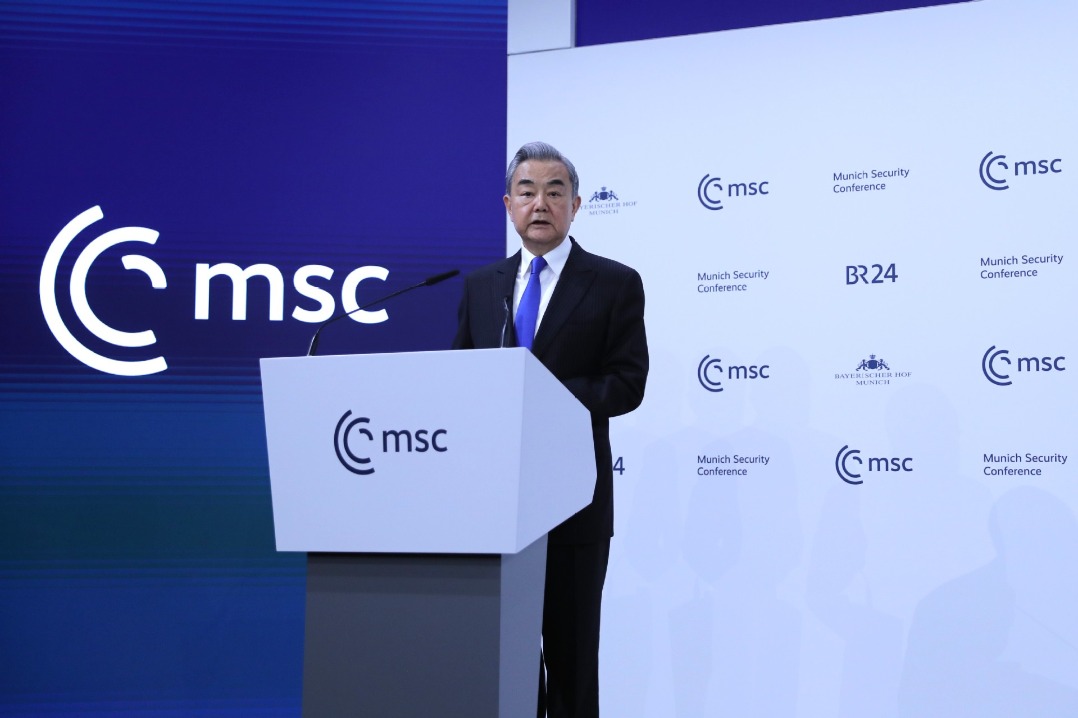
The Munich Security Conference became an unexpected arena for historical reckoning as Chinese Foreign Minister Wang Yi’s remarks about Japan’s wartime legacy triggered a diplomatic confrontation. During the 62nd gathering of global security leaders, Wang drew pointed comparisons between Japan and Germany’s approaches to addressing their historical responsibilities, highlighting stark contrasts in how the two nations have institutionalized remembrance of wartime actions.
Wang’s commentary, grounded in the foundational agreements that established the post-1945 Asia-Pacific order, emphasized that China’s position on Taiwan’s status and Japan’s renunciation of militarism reflected Allied consensus rather than Chinese invention. The Chinese diplomat’s statements met with appreciative reception from European delegates familiar with confronting difficult historical truths.
Japan’s response demonstrated notable sensitivity, with Tokyo lodging formal diplomatic protests with unusual urgency. The reaction appeared disproportionate to Wang’s actual statements, which primarily reiterated established historical facts and international agreements. Japanese officials framed their response within the context of contemporary security concerns, attempting to link Asian regional stability to the ongoing situation in Ukraine.
Observers noted the particular irony of this exchange occurring in Germany, a nation that has systematically addressed its Nazi past through legal frameworks criminalizing Nazi symbolism and creating comprehensive remembrance institutions. German officials present at the conference maintained composure during Wang’s historical comparisons, acknowledging the points without diplomatic protest.
The exchange revealed deeper tensions regarding Japan’s ongoing relationship with its wartime history, particularly concerning the Yasukuni Shrine where Class-A war criminals are honored. Recent statements from Japanese Prime Minister Sanae Takaichi about creating “the environment” for visiting the shrine have raised concerns among Japan’s neighbors about the nation’s historical perspective.
Japan’s diplomatic strategy in Munich appeared focused on securing Western support for its military expansion plans, framed as “burden-sharing” within collective security arrangements. However, European officials preoccupied with transatlantic relations and domestic security challenges showed limited enthusiasm for underwriting Tokyo’s ambitions, despite Japanese efforts to present regional security through a Cold War-era lens.
The conference ultimately demonstrated that historical accountability remains an unresolved element in Asia-Pacific relations, with China presenting itself as a stabilizing force committed to regional peace while Japan seeks to advance its security agenda through strengthened Western alliances.