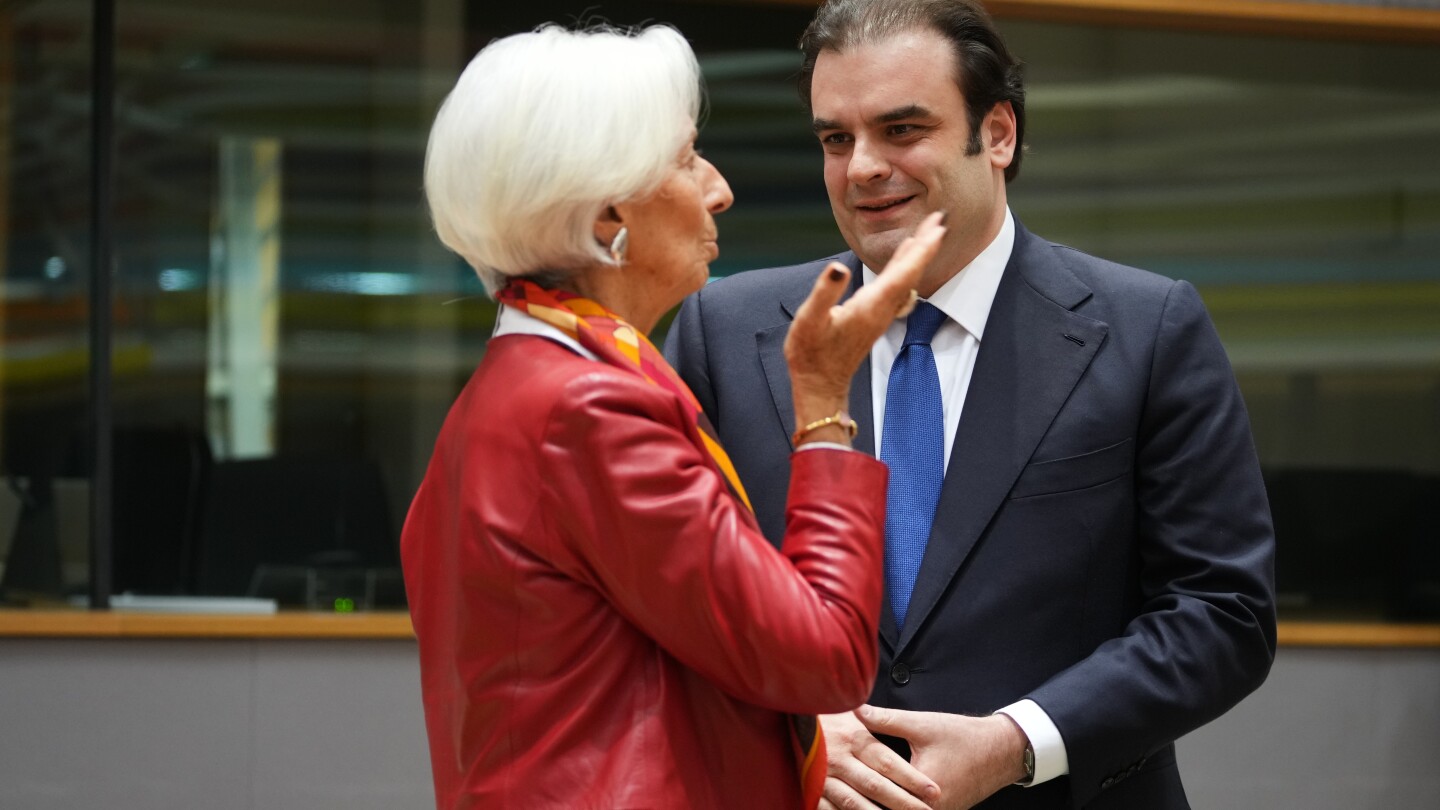
In a stunning reversal of fortune that underscores one of Europe’s most dramatic economic transformations, Greek Finance Minister Kyriakos Pierrakakis has been elected to lead the powerful Eurogroup forum. This development marks a symbolic full-circle moment for a nation that just a decade ago teetered on the brink of eurozone expulsion during its devastating financial crisis.
The Eurogroup, comprising finance ministers from the 20 European Union member states utilizing the euro currency, serves as the principal coordinating body for economic policy across the euro area. Its president wields considerable influence in shaping financial policies across member nations, with their pronouncements carrying significant weight in international markets.
Greek Prime Minister Kyriakos Mitsotakis hailed the appointment as “a day of pride for the country, for the government and for all the citizens,” characterizing it as “the most emphatic recognition of our country’s positive course.” He notably referenced the nation’s precarious position exactly ten years prior, when shuttered banks and potential euro exit loomed large.
At 42, Pierrakakis represents a new generation of European leadership and is widely regarded as a rising star within Greece’s center-right New Democracy party. Before assuming the finance portfolio in March, he served as education minister and previously as digital governance minister from 2019-2023, where he implemented sweeping bureaucratic reforms and digitized numerous public services.
Reflecting on Greece’s journey, Pierrakakis acknowledged during his Brussels press conference that debates a decade ago centered on potential Greek exit from the eurozone. “And yet, Greece withstood,” he stated, attributing this resilience to “the collective strength of the people” and “European solidarity, of receiving help at the most dire of times.”
The newly elected president committed to maintaining the Eurogroup as “a body of unity and shared purpose,” focusing on common currency stability, shared economic interests, and the broader European project grounded in core EU values.
Greece’s ascent from fiscal pariah to economic model represents one of modern Europe’s most remarkable turnarounds. During the crisis years beginning in late 2009, successive Eurogroup presidents made regular visits to Athens, with every carefully scrutinized utterance potentially signaling the nation’s fate. Tense encounters, particularly the infamous 2015 exchange between then-president Jeroen Dijsselbloem and flamboyant Greek Finance Minister Yanis Varoufakis, highlighted the country’s strained relations with creditors.
The crisis years brought profound hardship: years of fiscal mismanagement led to exclusion from international bond markets, necessitating three international bailouts totaling billions of euros from the so-called ‘troika’ (International Monetary Fund, European Central Bank, and European Commission). Austerity measures triggered a economic contraction of 25%, unemployment peaking at 28% (nearly 60% among youth), slashed wages and pensions, increased homelessness, and widespread social unrest.
The situation deteriorated to such an extent that by June 2015, Greece implemented capital controls to prevent bank runs, rationing ATM withdrawals and restricting financial flows. Days later, the nation became the first developed country to default on IMF debts, with banking restrictions remaining until 2019.
Today, Europe’s former financial outcast has emerged as one of its best budget performers. Major ratings agencies have restored Greek bonds to investment grade, with the country among only six EU members recording a 2024 budget surplus. Government revenues have exceeded targets through August, enabling a recently announced €1.6 billion tax relief package.
Despite this progress, challenges persist. Many citizens grapple with rising living costs, while protesting farmers currently block highways nationwide, angered by production expenses, low wholesale prices, and delayed EU subsidy payments following a corruption scandal.
Pierrakakis secured the presidency over Belgian Finance Minister Vincent Van Peteghem, commencing his two-and-a-half-year term with his first scheduled Eurogroup meeting on January 19.