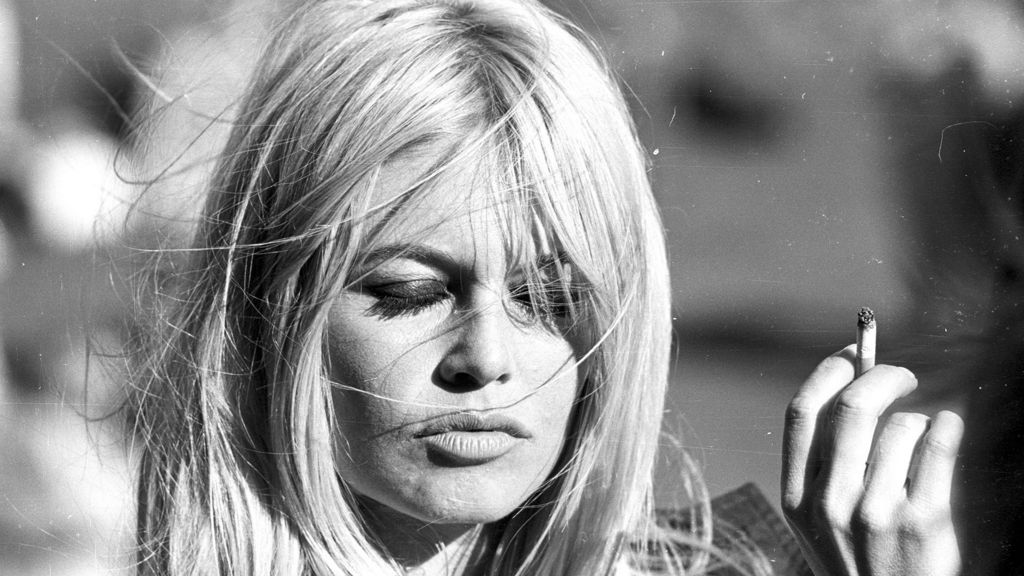
Brigitte Bardot, the legendary French actress who revolutionized cinematic femininity and became an international symbol of liberation, has passed away at age 91. The Paris-born icon, whose career spanned two transformative decades, leaves behind a complex legacy of artistic innovation and controversial advocacy.
Discovered as a trained ballerina, Bardot’s breakthrough came at 18 through her marriage to director Roger Vadim, who cast her in the provocative 1956 film ‘And God Created Woman.’ This French New Wave masterpiece established her as a Cannes Film Festival sensation, introducing her sensual, carefree persona that would redefine feminine expression in postwar cinema.
Throughout the late 1950s and 1960s, Bardot evolved from sex symbol to respected actress, demonstrating remarkable range in critically acclaimed performances. She earned praise for her dramatic depth in ‘The Truth’ (1960), showcased comedic brilliance alongside Jeanne Moreau in ‘Viva Maria!’ (1965), and delivered a seminal performance in Jean-Luc Godard’s arthouse masterpiece ‘Contempt’ (1963). Her influence extended beyond cinema, with her signature tousled hair and bold eyeliner setting global fashion trends.
In a surprising career shift at age 39, Bardot abandoned acting at the height of her fame to dedicate herself entirely to animal rights activism. She established the Brigitte Bardot Foundation, through which she led vigorous campaigns against seal hunting and animal testing. This transition from screen siren to passionate advocate demonstrated her commitment to living according to her convictions, though it sometimes generated controversy.
Her later years were marked by both admiration for her advocacy and criticism for inflammatory statements about social issues. Despite these controversies, Bardot remained an enduring symbol of 1960s glamour and French cinematic excellence. She spent her final years in relative seclusion in Saint-Tropez, having permanently shaped both cinematic history and animal welfare activism.