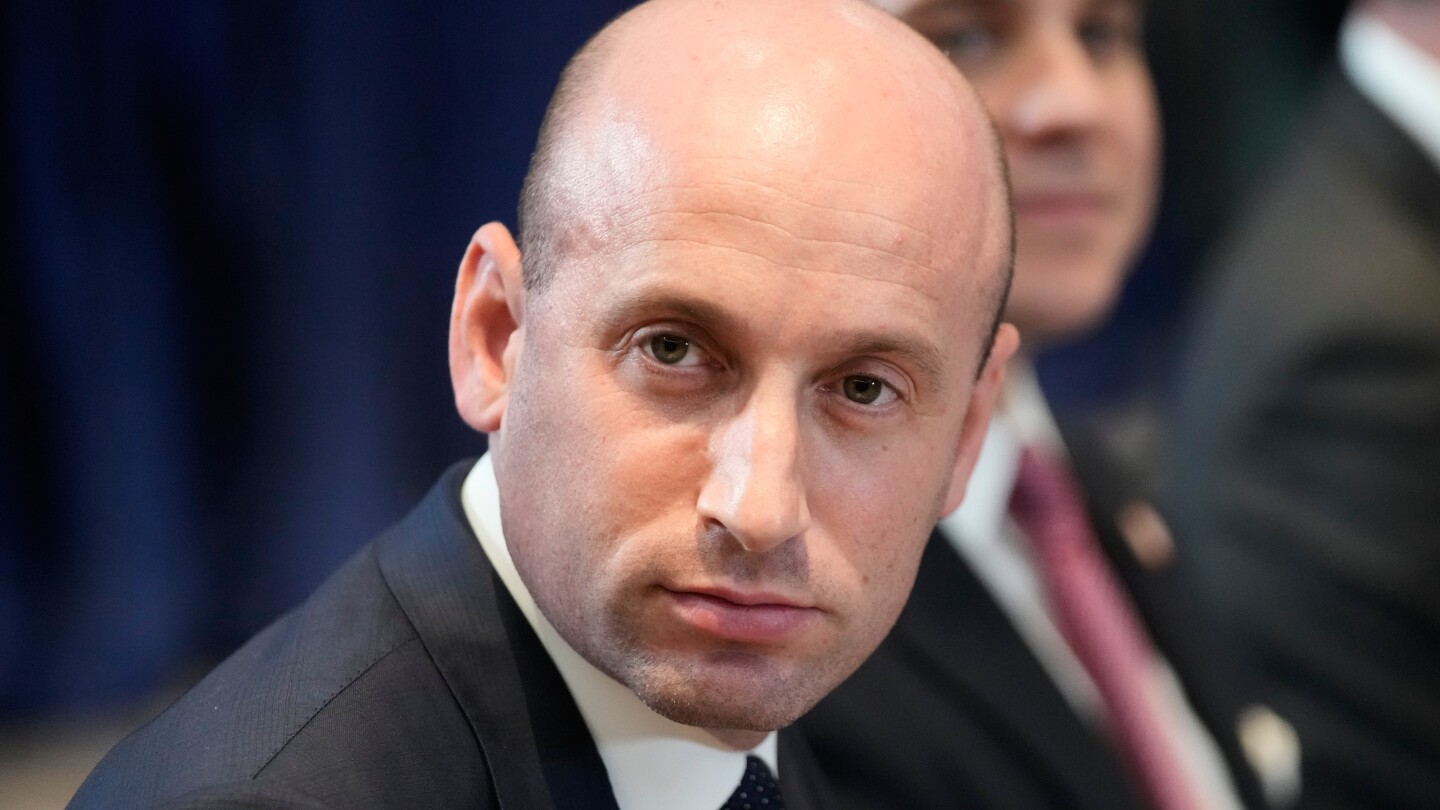
WASHINGTON — Senior Trump administration official Stephen Miller articulated a controversial worldview that laid the ideological groundwork for the recent military operation that deposed Venezuelan leader Nicolás Maduro. More than a year before the intervention, Miller asserted that Maduro had been systematically dispatching gang members across the U.S. border, framing the situation as a national security crisis.
As White House chief of staff for policy, Miller’s influence on the administration’s foreign policy approach has been substantial. His assertions that Western aid to developing nations constitutes ‘reverse colonization’ and that Venezuela’s oil industry was ‘stolen from American companies’ have drawn sharp criticism from international observers and political opponents.
The administration’s actions have prompted a strong response from regional powers. A joint statement from Spain and five Latin American nations called for adherence to principles of “mutual respect, peaceful dispute resolution, and nonintervention.” Senator Bernie Sanders (I-Vt.) characterized the Venezuela policy as “old-fashioned imperialism.”
Miller defended his position in multiple media appearances, arguing that “the iron laws of the world” are governed by strength and power rather than international norms. He dismissed concerns about sovereignty, stating that the United States as a superpower would “unapologetically secure our interests in our hemisphere.” The policy aide also controversially suggested that U.S. military occupation of Greenland would face no significant opposition.
White House spokesperson Abigail Jackson countered criticism, stating: “Advocating for policies that put American citizens first isn’t racist. Anyone who says so is either intentionally lying or just plain stupid.”
Miller has since shifted focus to domestic immigration enforcement, recently condemning anti-ICE protests following a controversial operation in Minneapolis. His social media statements characterized Democratic opposition as support for “violent resistance against federal law enforcement,” claiming alternative policies would turn American cities into equivalents of Mogadishu or Kabul.