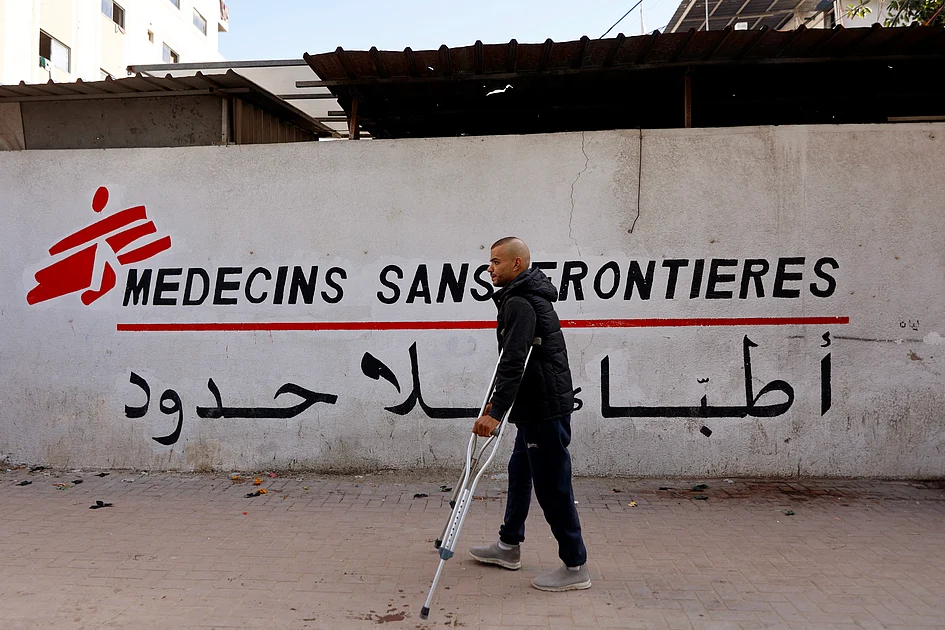
A critical humanitarian crisis is escalating in Gaza as Médecins Sans Frontières (MSF) faces imminent expulsion from the territory under Israel’s controversial NGO ban. The organization, along with 36 other aid groups, has been ordered to cease operations by March 1st for allegedly failing to provide detailed staff information to Israeli authorities.
At Nasser Hospital in southern Gaza—one of the few remaining functional medical facilities—patients express profound anxiety about losing MSF’s essential services. Ten-year-old Adam Asfour, receiving treatment for shrapnel wounds sustained in September bombings, articulated the collective fear: “They stood by us throughout the war. When I heard it was possible they would stop providing services, it made me very sad.”
Israel’s Ministry of Diaspora Affairs and Combating Antisemitism, which oversees NGO registrations, has leveled serious allegations against MSF, claiming two employees maintain ties to Hamas and Islamic Jihad—charges the organization vehemently denies. This decision has drawn international condemnation and warnings of catastrophic consequences for Gaza’s already strained relief systems.
MSF currently sustains approximately 20% of hospital beds across Gaza while operating around 20 health centers. Their 2025 operations included over 800,000 medical consultations and more than 10,000 deliveries. Beyond medical care, the organization provides critical drinking water distribution to a population devastated by prolonged conflict.
Humanitarian workers report that constraints are already mounting. “We can’t have any more international staff enter Gaza, nor can we bring in supplies—we will run into shortages,” stated Kelsie Meaden, MSF logistics manager at Nasser Hospital. Claire Nicolet, another MSF official, emphasized the irreplaceable nature of their work: “It’s almost impossible to find an organization that could replace all what we are doing currently in Gaza.”
The potential withdrawal occurs against the backdrop of a healthcare system pushed to the brink by two years of war. Many facilities have been damaged by bombardments or overwhelmed by casualties, with unreliable electricity, water, and fuel supplies compounding the crisis. Aid groups warn that emergency care, maternal health, and pediatric treatment services risk complete collapse without international support.
Humanitarian sources confirm that at least three international NGO employees have already been barred from entering Gaza through the Kerem Shalom crossing due to rejected applications. As the March deadline approaches, patients like 18-month-old Joud—being treated for severe burns from boiling water accidents—face uncertain futures despite showing significant improvement under MSF care.
While MSF asserts it will “continue working as long as we can,” the organization acknowledges that without reversal of Israel’s decision, their life-saving operations in Gaza will terminate in March, leaving hundreds of thousands without essential medical services.