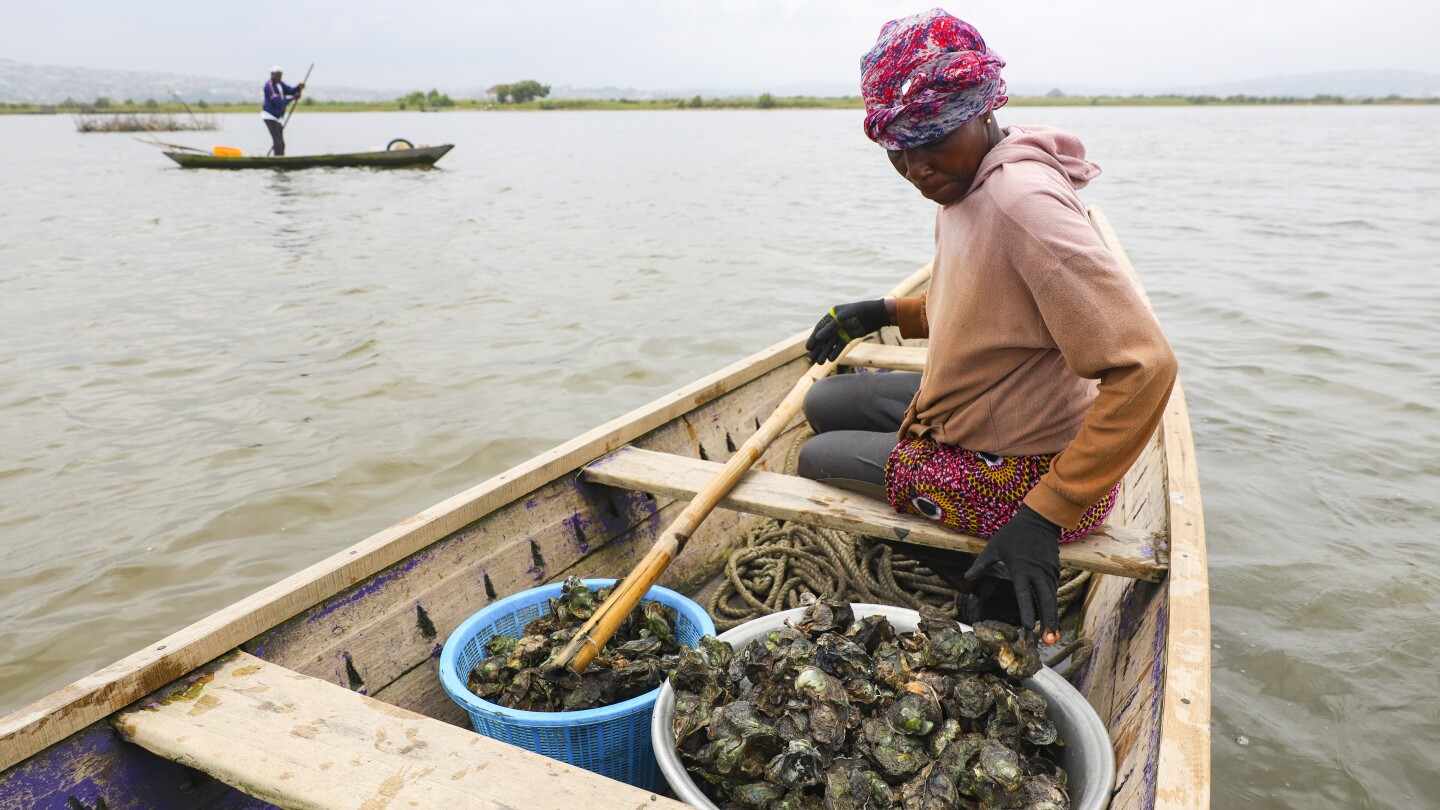
In the coastal mangroves of Tsokomey, Ghana, Beatrice Nutekpor, a 45-year-old oyster farmer, continues a family tradition that has sustained her community for generations. Despite the challenges posed by climate change and economic instability, Nutekpor and other women in her community are determined to preserve their way of life. Oyster farming, a practice dominated by women, has been a vital source of income for families in this region. However, the depletion of mangroves due to rising sea levels, coastal development, and deforestation has threatened this livelihood. The Development Action Association, a nonprofit organization, once provided training in eco-friendly farming methods, including mangrove preservation and selective harvesting, to mitigate these challenges. However, the organization lost its U.S. funding following cuts to foreign aid, leaving the women to fend for themselves. Despite these setbacks, the women’s efforts to replant mangroves are yielding results, with oysters beginning to attach to the newly planted trees. Yet, the struggle persists. A single basin of oysters sells for approximately $4, barely enough to sustain families. The loss of mangroves forces farmers like Nutekpor to dive deeper into dangerous waters to find oysters, increasing the risk of drowning. The Densu Oyster Pickers Association has implemented strict guidelines to protect the mangroves, including penalties for unauthorized cutting. For Nutekpor, the fight is not just about survival but also about preserving a family legacy. ‘I want to teach my daughter so she can teach her child,’ she says. The battle to save Ghana’s mangroves and oyster farming is a testament to the resilience of these women, who are determined to secure a future for their families and generations to come.
In coastal Ghana, female oyster farmers try to save an old practice threatened by climate change