On Algeria’s sun-dappled Mediterranean coast, the eastern city of Annaba is buzzing with quiet anticipation and open excitement as it puts the final touches on preparations for a momentous occasion: the first ever visit by a sitting Catholic pontiff to Algeria, scheduled for April 13–15. The visit, which holds deep religious and historical weight, comes after Pope Leo XIV openly embraced his connection to Saint Augustine, one of Christianity’s most influential theologians whose life and work are deeply rooted in this corner of North Africa.
Since his election to the papacy in May of last year, Leo XIV has repeatedly emphasized his admiration for Saint Augustine, even calling himself a “son” of the famed thinker in his inaugural address. Saint Augustine was born in 354 CE in Thagaste, an ancient settlement that is today the Algerian town of Souk Ahras, roughly 100 kilometers south of Annaba. Annaba itself sits on the ruins of Hippo Regius, the Roman city where Augustine served as bishop starting in 391, wrote his iconic autobiographical work *Confessions*, and died in 430 CE. That historical tie makes Annaba the focal point of the papal visit, and the site of the most intensive preparations.
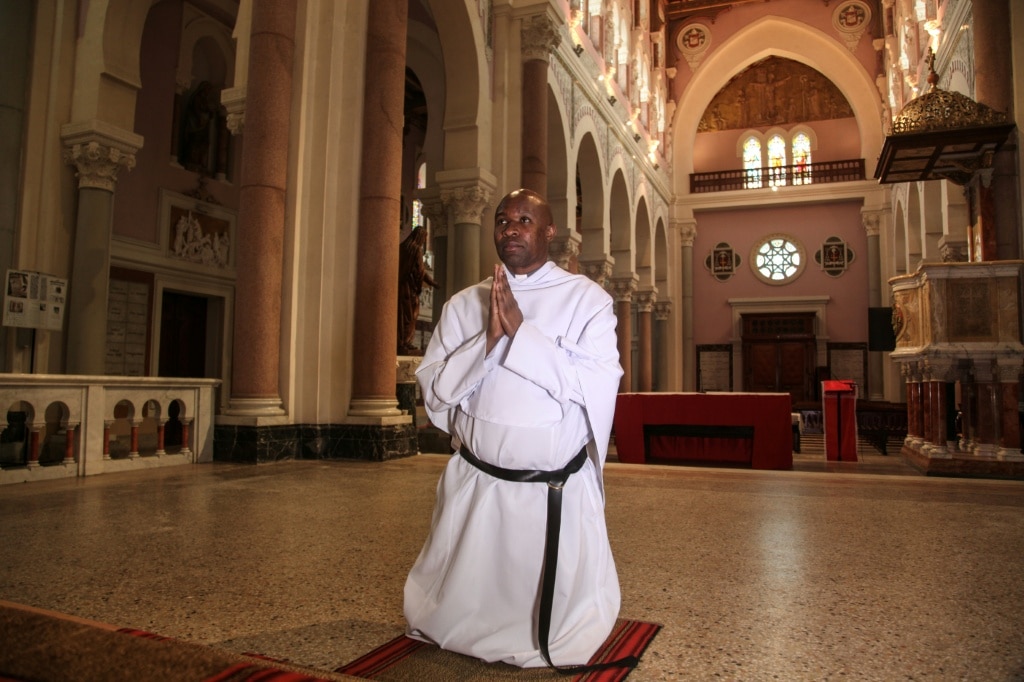
At the Basilica of Saint Augustine, the city’s primary Catholic shrine perched on a hill overlooking ancient Hippo’s archaeological remains, preparations have been underway for months under the direction of rector Father Fred Wekesa. Municipal maintenance crews, working alongside volunteers from the Order of Saint Augustine, have spent weeks repainting interior walls, polishing historic religious statues, and touching up the grounds to welcome the pontiff. For Annaba’s small Christian community, the visit is far more than a ceremonial event—it is a long-awaited moment of recognition.
Father Wekesa described the upcoming arrival as an occasion of profound joy, noting that Leo XIV is the first pope to prioritize a visit to the Algerian Christian community. “We are what I call a ‘small flock’, a minority. But that does not mean we are forgotten,” he said. “On the contrary… the Pope’s presence supports us as a minority. It carries a message of encouragement and solidarity.”
Across Annaba, which sits roughly 550 kilometers east of the capital Algiers, the entire city has joined in preparations. Roads leading to the basilica, which overlooks the ruins of the ancient Basilica of Peace where Saint Augustine once preached, are being resurfaced and repainted, transforming swathes of the city into an active construction zone in the best of ways. For many local residents, both Christian and Muslim, the visit is a point of national and civic pride. Imad, a 54-year-old Annaba resident, called the trip “a great honour for us, the Algerians of Annaba, because it is an important symbol of peace, not just for our community but for all Christians and Muslims.”
Algerian national authorities have echoed that sentiment, attaching major strategic and symbolic importance to the visit. Preparations have been personally overseen by President Abdelmadjid Tebboune, and Father Wekesa said he has been deeply moved by the widespread spontaneous enthusiasm from ordinary Algerians, who moved quickly to extend a formal invitation as soon as the pope expressed his desire to visit.
For Father Wekesa, the visit also offers a chance to reintroduce the world to modern Algeria, pushing back against outdated narratives that still frame the country through the lens of its 1991–2002 civil conflict, a bloody period between Islamists and state security forces that killed an estimated 200,000 people. Between 1994 and 1996, 19 Christian clerics were killed in targeted attacks, including Oran’s bishop Pierre Claverie and seven Tibhirine monks, who were beatified by the Catholic Church in 2018. Father Wekesa lamented that “all too often, some people view this country only through the lens of the ‘dark years’,” but expressed confidence the papal visit will reveal Algeria’s “true face” to the global community. “With the Holy Father’s visit… the whole world will see the hospitality and generosity of the Algerian people, and that we are capable of living together in peace,” he said.
Not all commentary surrounding the visit has been celebratory, however. Three prominent international human rights organizations—Human Rights Watch, EuroMed Rights, and the MENA Rights Group—published a joint open letter on Tuesday calling on Pope Leo XIV to raise the issue of religious freedom repression during his meetings with Algerian authorities. The groups have documented ongoing targeting of religious minority communities in Algeria in recent years, and asked the pontiff to “call on the authorities to end discrimination against religious minorities and respect their right to freedom of religion or belief, including practicing their religion freely.”
Despite those calls, members of Annaba’s Christian community remain focused on the unifying potential of the visit. According to Father Wekesa, most of Annaba’s Christian population is made up of sub-Saharan African scholarship students, foreign workers, and a small number of Algerian converts. Students from the University of Batna, located 270 kilometers south of Annaba, have even traveled to the city to help with final preparations ahead of the papal arrival. For Patricia Kouago, a 22-year-old student taking part in the preparations, the visit is an opportunity to build cross-community connection. “It is an occasion for Christians and Muslims to come together,” she said. “It is also a sense of solidarity that we are building. His arrival could strengthen the bonds between us.”