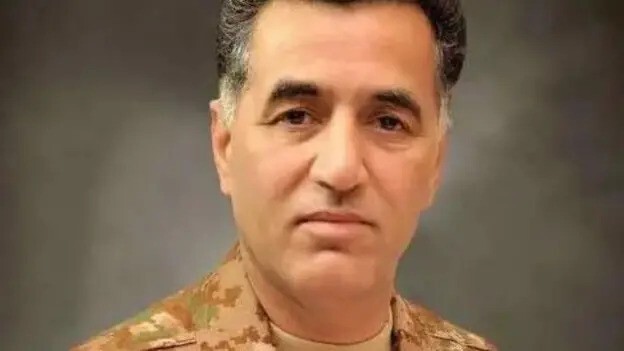
In an extraordinary development within Pakistan’s military establishment, Lieutenant General Faiz Hameed, former director of the Inter-Services Intelligence (ISI) agency, has been sentenced to 14 years of rigorous imprisonment following a controversial military tribunal. The conviction represents the first instance in Pakistani history where a former intelligence chief has faced such severe judicial consequences.
The military court found Hameed guilty on four distinct charges: unlawful engagement in political activities, violation of the Official Secrets Act, misappropriation of government resources, and causing significant financial losses to the state. The sentencing marks a dramatic downfall for the once-powerful military figure who was previously regarded as the second-most influential official within Pakistan’s armed forces hierarchy.
Legal representatives for Hameed have characterized the proceedings as a ‘sham’ trial, alleging numerous procedural irregularities. Defense attorney Ali Ashfaq revealed to international media that his client was denied proper legal representation throughout the judicial process. According to Ashfaq, neither Hameed’s legal team nor family members received advance notification of the December 11th hearing, resulting in the defendant appearing without counsel.
The Pakistani military’s public relations wing (ISPR) confirmed that court-martial proceedings against Hameed commenced on August 12, 2024, under specific provisions of the Pakistani Army Act. While acknowledging Hameed’s right to appeal, the military statement provided limited details regarding the specific evidence presented during the closed-door proceedings.
Political analysts interpret this development as part of broader tensions between Pakistan’s military establishment and former Prime Minister Imran Khan, who personally appointed Hameed as ISI chief in 2019. A separate investigation is currently examining allegations that Hameed participated in protests following Khan’s arrest in May 2023.
Khan, who was democratically elected in 2018 but removed through a parliamentary no-confidence vote in 2022, remains imprisoned since August 2023. The former prime minister maintains that his political downfall was orchestrated by military leadership and has faced multiple legal challenges, including charges under the Official Secrets Act.
Recent social media communications from Khan’s family and supporters allege harsh prison conditions, including solitary confinement and restricted access to legal representation despite court orders permitting visits. Khan has publicly accused current military leadership of constitutional violations and systematic erosion of fundamental rights in Pakistan.
The appeal process for Hameed’s case will initially proceed through military channels, with the army chief serving as the first appellate authority. Legal representatives express confidence that higher judicial forums will address what they characterize as fundamental procedural deficiencies in the original trial.