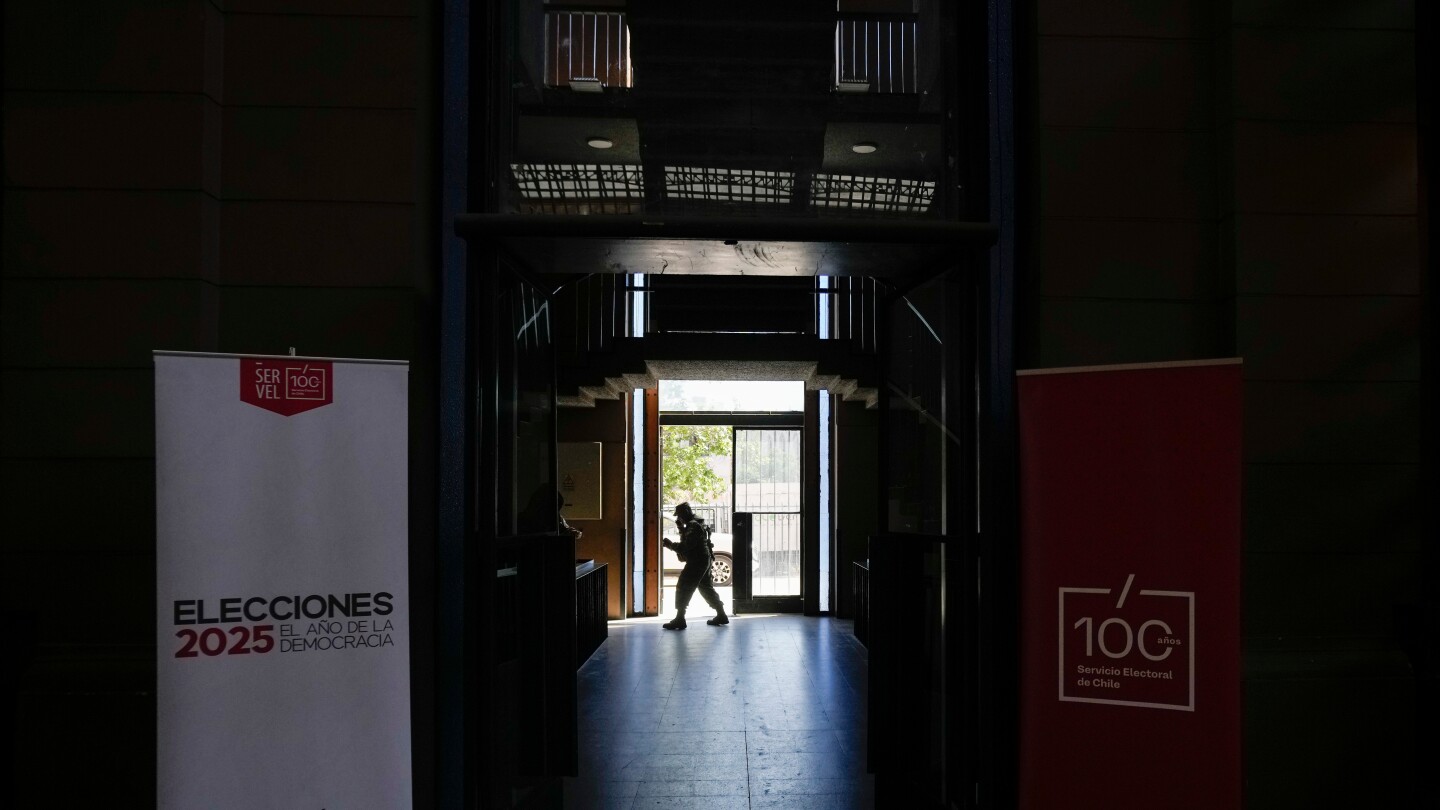
Chileans head to the polls on Sunday for a pivotal presidential and parliamentary election, with the race dominated by concerns over organized crime and immigration. The contest, likely to require a runoff on December 14, pits two starkly opposed candidates against each other: Jeannette Jara, a communist former labor minister, and José Antonio Kast, an ultraconservative lawyer. Both have shifted their campaigns to address the shared theme of public insecurity, reflecting widespread voter anxiety over rising gang-driven crime and illegal immigration from Venezuela. The election marks the first time in Chile’s history that voting is mandatory, potentially reshaping the political landscape with millions of new voters. The outcome could hinge on who convinces the electorate they are toughest on crime and immigration, with Kast proposing a border wall and mass deportations, while Jara focuses on building new prisons and expelling foreign criminals. The election also renews the lower house of Congress and part of the Senate, with 15.7 million eligible voters, including over 800,000 immigrants. Economic issues, such as high unemployment and sluggish growth, further complicate the race, as candidates propose divergent solutions to revive the economy. The election stands in stark contrast to 2021, when Chile elected its youngest-ever president on promises of sweeping social change, but economic constraints have since tempered those ambitions.
In a Chile fearful of crime, a presidential vote pits a communist against the far right