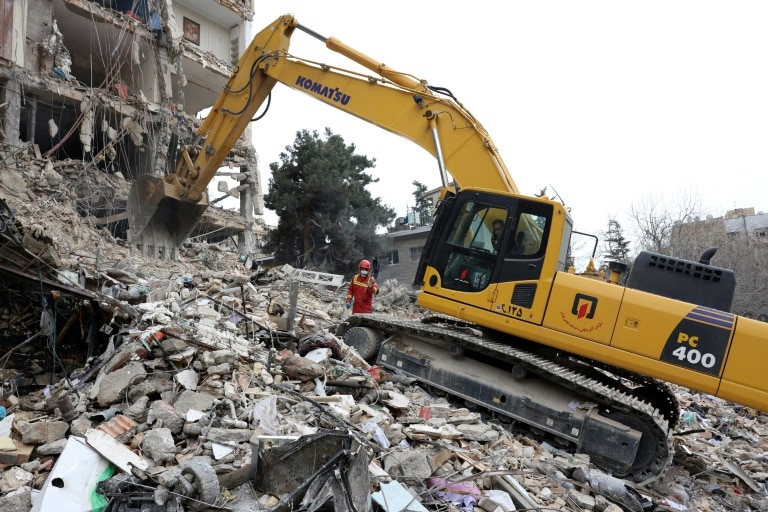
Iranian citizens are revealing the profound transformations in their daily lives following one month of sustained military engagement with Israel and the United States. Despite government restrictions on communication and extensive internet blackouts, numerous Iranians have managed to share their experiences with international media through covert channels.
The economic landscape has deteriorated dramatically since hostilities began. Previously struggling under international sanctions, Iran now faces hyperinflation and widespread industrial paralysis. Golnar, a 29-year-old Tehran resident, reported complete loss of income from her online business. “Even with multiple family members working and no rent expenses, we cannot consider dining out or leisure activities,” she explained. “We’re barely covering essential living costs.”
Tourism-dependent regions have suffered particularly severe impacts. Sadeq, a 42-year-old from Qeshm island, described how normally bustling Nowruz holiday celebrations yielded few visitors. “Our hotels and cafes operate at half-capacity,” he noted. “Many residents extend stays indefinitely awaiting conflict resolution, while fuel shortages create hours-long queues.”
Beyond economic hardship, Iranians describe adapting to extraordinary circumstances. Shayan, a 40-year-old Tehrani, acknowledged maintained infrastructure: “Basic amenities remain available—gasoline, water, electricity. Cafes operate and social gatherings continue, but pervasive helplessness dominates our psyche.” Another resident from Iran’s Kurdish region reported normalization of violence: “Explosions and missiles become routine aspects of daily life. Our primary concern now targets potential attacks on oil infrastructure.”
The conflict has accelerated existing emigration trends. Katayoon, a yoga instructor who recently fled to Turkey, cited compounded reasons for departure: “While airstrike blast waves physically threw me from bed, my decision stemmed from decade-long fears—from mandatory hijab enforcement to prohibited cross-gender teaching.” She emphasized economic desperation: “People lack food money. Life becomes impossible.”
Psychological impacts appear profound and permanent. Ensieh, a 46-year-old Tehran dentist, confessed: “I lose more hope daily. Caught between three mad powers, war terrifies. I’ll never regain my former self—conflict has torn away irreplaceable parts of me.”
Concurrently, Iranian authorities have intensified domestic surveillance and suppression. Citizens report heightened street security with frequent checkpoints involving vehicle searches and electronic device inspections. Kaveh, a 38-year-old artist, described armed forces patrolling nightly while “honking and carrying flags.” Opposition gatherings express concern about potential US-clerical regime agreements, fearing intensified persecution should diplomatic resolutions emerge.