While Ramadan maintains its universal Islamic practices of fasting, prayer, and charity, diverse cultural interpretations have created distinctive traditions across Muslim communities worldwide. This holy month transforms into a tapestry of unique customs that blend religious observance with local heritage.
In Egypt and several Gulf nations, the historic iftar cannon ceremony persists as an auditory signal for breaking the fast. This tradition, dating back to pre-modern times when timekeeping technology was limited, continues in countries including the UAE, Saudi Arabia, Kuwait, Jordan, Qatar and Bahrain with ceremonial cannon fire marking sunset.
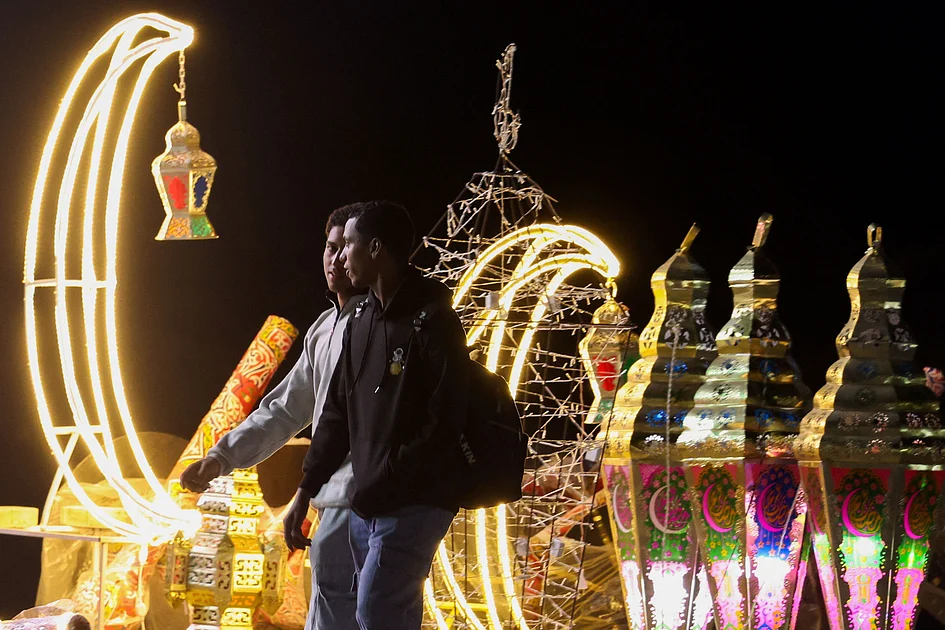
The iconic fanous lanterns illuminate Egyptian streets and homes, evolving into a globally recognized Ramadan symbol. These decorative lights adorn public spaces, shopping centers, and residences throughout Muslim communities, creating a festive atmosphere during the holy month.
Pre-dawn wake-up customs vary significantly across regions. Arab countries feature the mesaharati drummers, Turkey has davulcu performers, while India recognizes seheriwala musicians who traverse neighborhoods with rhythmic beats. Indonesia incorporates the distinctive bedug drum for both suhoor awakening and iftar commencement signals.
Morocco preserves the ancient tradition of the Nafar town crier, who historically delivered important Ramadan announcements before modern communication systems. This role sometimes overlapped with drumming counterparts in other regions.
The UAE celebrates Hag Al Leila as a pre-Ramadan children’s festival occurring on the 15th of Shabaan. Young participants dressed in traditional attire visit homes collecting sweets and nuts while singing customary rhymes, fostering community generosity and cultural continuity.
Indonesia, as the world’s largest Muslim-majority nation, demonstrates remarkable diversity in Ramadan practices. The ngabuburit tradition transforms late afternoons into social gatherings while awaiting iftar. Javanese communities maintain takbiran processions with lantern displays, nyadran ancestral grave visits, and padusan ritual purification bathing in natural water sources before fasting begins.
South Asian countries observe Chand Raat (Night of the Moon) as a cultural celebration marking the Eid al-Fitr transition. Communities in India, Pakistan, and Bangladesh engage in moon-sighting gatherings, henna application, sweet preparation, and festive shopping once the new moon is sighted.
These varied traditions highlight how Ramadan simultaneously unites global Muslim communities through shared religious observance while celebrating cultural diversity through distinctive local practices that have evolved across centuries.