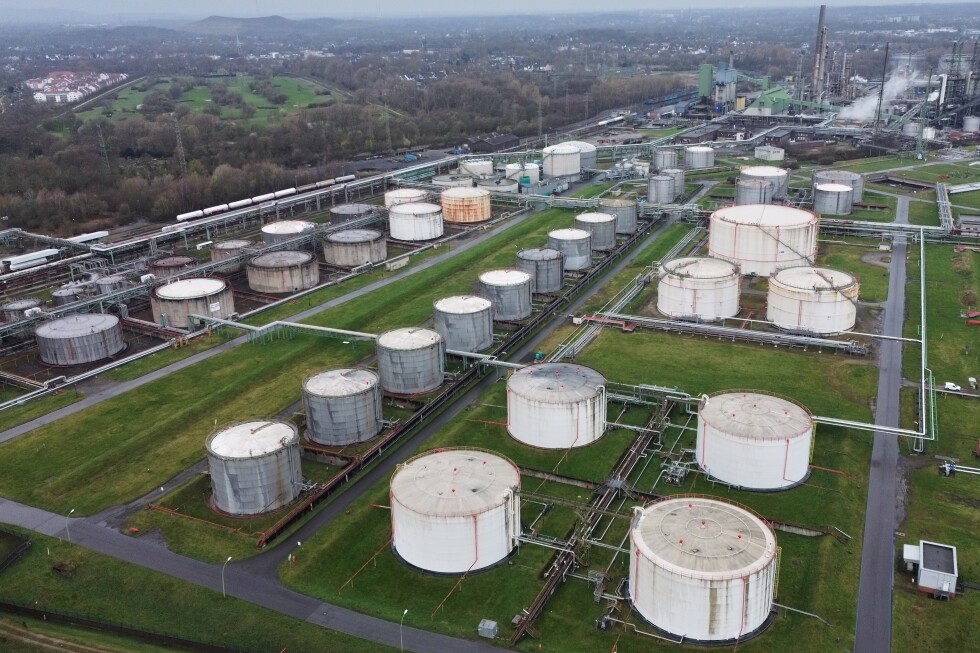
In an unprecedented response to escalating Middle East tensions, the International Energy Agency (IEA) has authorized the largest emergency oil reserve release in its five-decade history. The Paris-based consortium of 32 nations will deploy 400 million barrels from strategic petroleum reserves to stabilize global energy markets disrupted by Iran’s blockade of critical shipping channels.
The decision, ratified Wednesday, more than doubles the previous record of 182.7 million barrels released during the 2022 Ukraine crisis. This coordinated action follows emergency consultations among G7 energy ministers who endorsed proactive measures to address supply disruptions that have reduced Persian Gulf exports to less than 10% of pre-conflict levels.
Iran’s military campaign has effectively halted maritime traffic through the Strait of Hormuz—a vital corridor transporting approximately 20% of globally traded oil. Attacks on commercial vessels, oil fields, and refineries across Gulf Arab states represent a calculated strategy to inflict economic pressure on the United States and Israel through energy market manipulation.
Germany and Austria immediately committed to the reserve release, with Japan scheduled to begin deployments Monday. IEA members collectively maintain over 1.2 billion barrels of public emergency stocks, supplemented by 600 million barrels of industry reserves under government mandate.
Concurrently, European nations are implementing consumer protection measures. Germany will restrict fuel stations to single daily price adjustments, while Austria will limit increases to three times weekly—safeguards against speculative pricing during supply emergencies.
The strategic petroleum reserve system, established after the 1973 Arab oil embargo, has been activated during previous conflicts including the Gulf Wars, Libyan civil war, and Russia’s invasion of Ukraine. Current disruptions represent the most significant challenge to global energy security since the reserve’s inception.