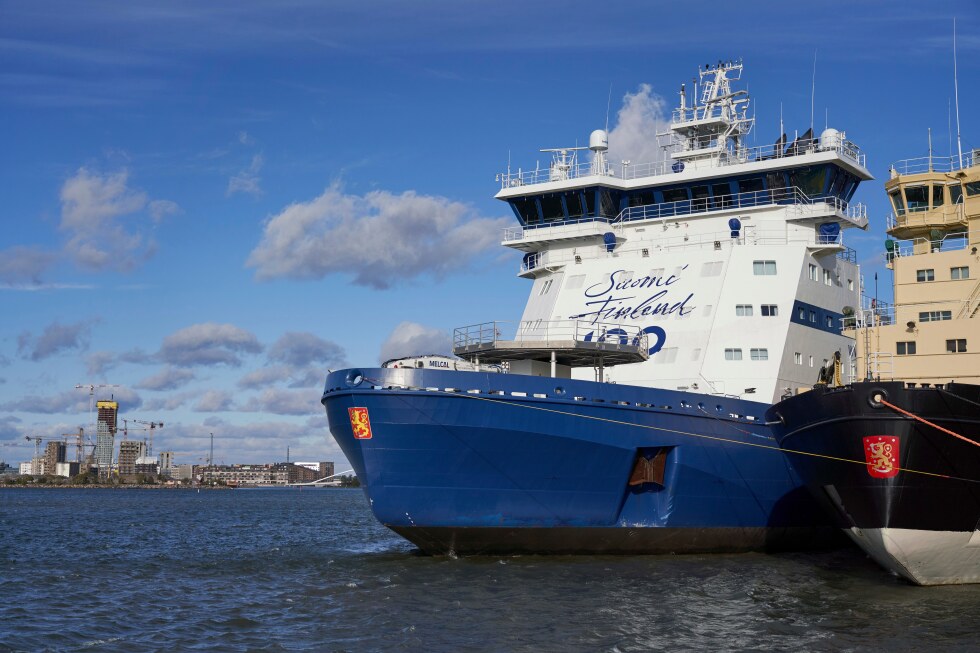
The United States’ strategic ambitions in Greenland and the broader Arctic region face a formidable natural barrier: immense ice formations that choke harbors, entomb mineral resources, and transform shorelines into navigational minefields year-round. This challenging environment necessitates specialized icebreaking vessels with reinforced hulls and powerful engines capable of cleaving through frozen seas.
Despite former President Donald Trump’s expressed interest in securing Greenland for both security and economic reasons—including countering Russian and Chinese influence and accessing rare earth minerals—the U.S. possesses only three functional icebreakers, with one nearly inoperable. This deficiency creates a significant operational gap, leaving the nation unable to reliably access Arctic territories for extended periods.
Icebreaker construction requires highly specialized expertise predominantly found in northern nations with Arctic experience. Finland has designed approximately 60% of the world’s fleet of over 240 icebreakers and built the same percentage, while Russia maintains the largest fleet with about 100 vessels, including nuclear-powered ships. Canada ranks second and plans to double its fleet to approximately 50 icebreakers.
The U.S. has entered agreements through the Ice PACT with Finland and Canada to obtain 11 new icebreakers. Four will be constructed in Finnish shipyards, while seven will be built in U.S. facilities under Canadian ownership and utilizing Finnish designs. This international cooperation highlights America’s current dependence on allied nations for Arctic capabilities.
European Commission President Ursula von der Leyen emphasized this technological interdependence at the World Economic Forum, noting that Finland’s sale of icebreakers to the U.S. demonstrates European Arctic readiness. She stressed that Arctic security ultimately requires multinational cooperation, a sentiment echoed by Danish leadership which conditionally supports increased U.S. involvement provided territorial integrity is respected.
Even with adequate icebreaking capability, establishing mining operations or defensive installations like the proposed $175 billion Golden Dome missile defense network would entail enormous costs and technical challenges in Greenland’s extreme environment, with investments potentially requiring decades to yield returns.