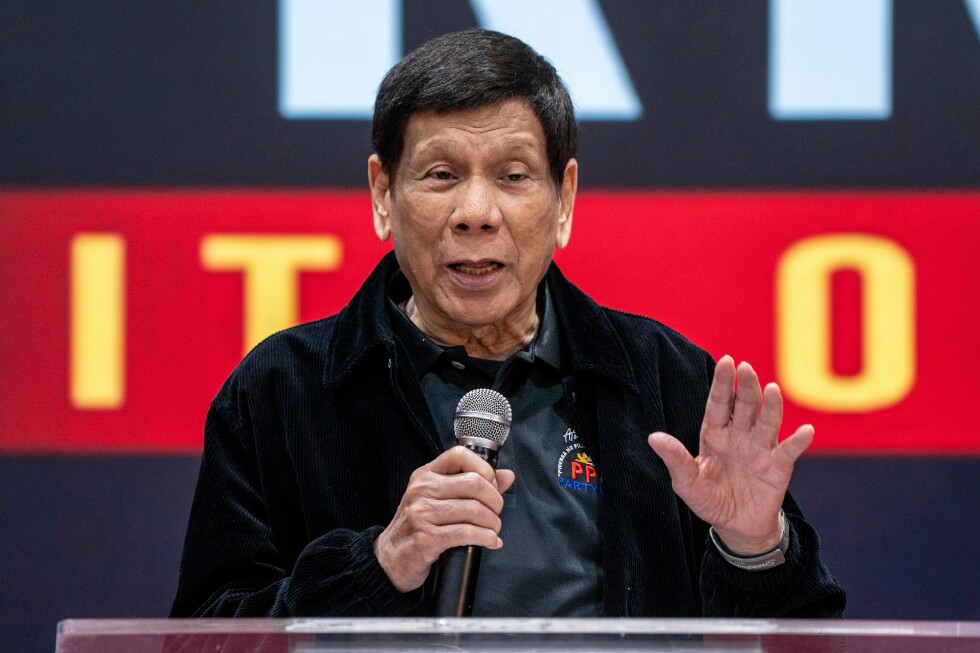
THE HAGUE, Netherlands — International Criminal Court prosecutors commenced proceedings Monday to substantiate charges against former Philippine President Rodrigo Duterte, marking a pivotal moment in one of the court’s most significant cases. The prosecution alleges Duterte orchestrated systematic killings during his anti-drug campaigns, first as mayor of Davao City and later as national leader.
The evidentiary hearing represents a critical juncture in the years-long investigation into extrajudicial killings that human rights organizations estimate claimed between 6,000 and 30,000 lives during Duterte’s presidency. While not a full trial, the proceedings allow prosecutors to demonstrate sufficient evidence for judges to determine within 60 days whether formal charges should proceed to trial.
Victims’ families expressed emotional relief at the development. Llore Pasco, whose two sons disappeared in May 2017 and were later found bullet-ridden, stated: ‘We have waited for this for so long, for years we have waited, but we did not relent.’
Duterte, who waived his right to attend the Hague proceedings, described the charges as an ‘outrageous lie’ in a letter to judges. The octogenarian cited his advanced age and frailty as reasons for non-attendance, claiming he would forget the proceedings ‘within minutes.’
The case has ignited political tensions in the Philippines, with Duterte’s supporters criticizing current President Ferdinand Marcos Jr.’s administration for cooperating with the court. Vice President Sara Duterte, the former leader’s daughter and recent presidential aspirant for 2028, has emerged as a prominent detractor of the proceedings.
Human rights advocates note Duterte attempted to evade accountability by withdrawing the Philippines from the ICC’s Rome Statute in 2018 after prosecutors announced their investigation. However, judges rejected jurisdictional challenges, asserting countries cannot abuse withdrawal procedures to shield individuals from justice for crimes already under consideration. An appeal of this decision remains pending.
For families like Sheerah Escudero, whose 18-year-old brother was found wrapped in packaging tape in 2017, the case represents not just accountability for past crimes but prevention of future violence. ‘We know that the same policy of killings will continue,’ Escudero warned, highlighting concerns about political dynasties perpetuating violent policies.