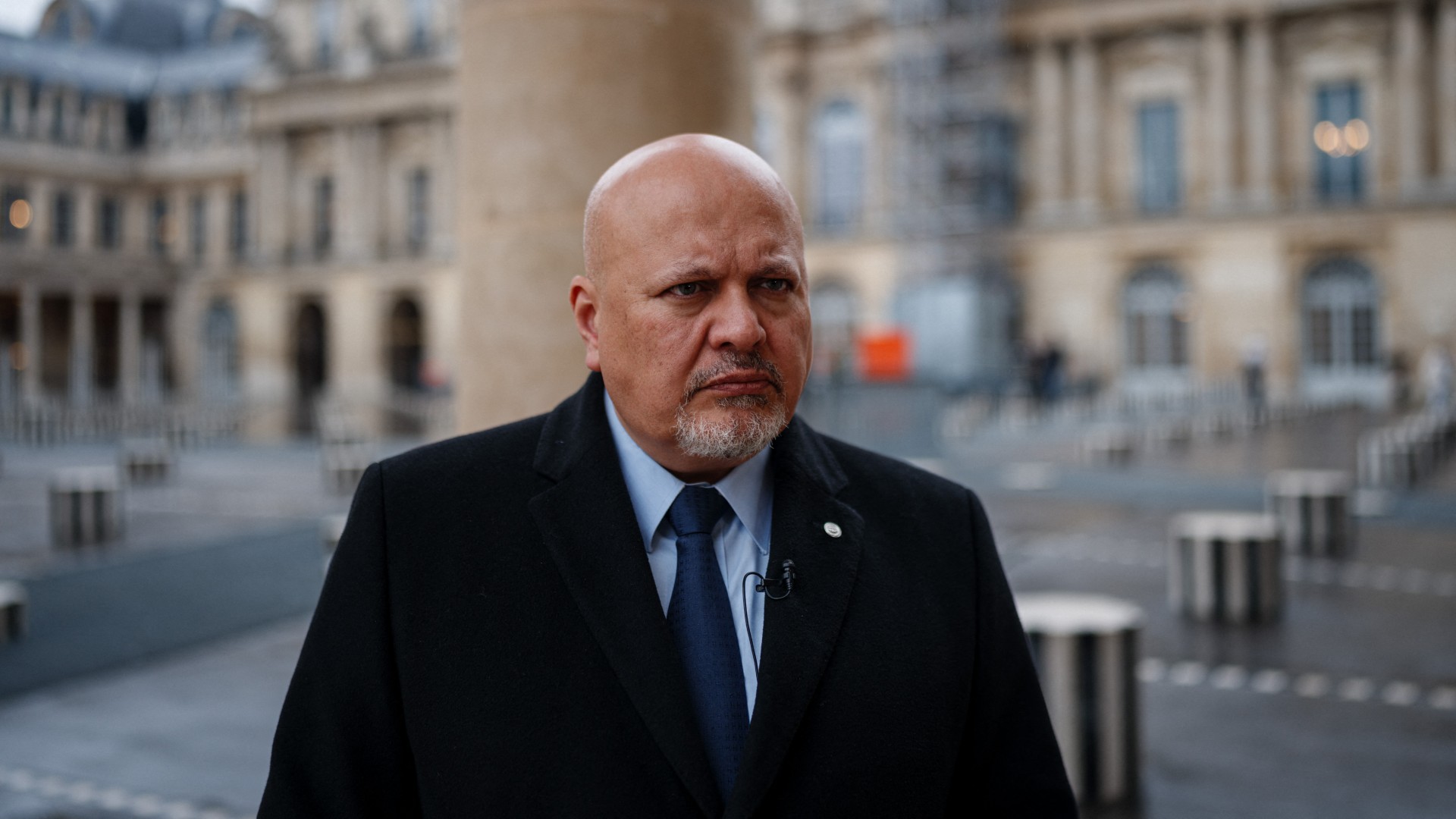
The International Criminal Court (ICC) faces a profound institutional crisis as its governing body convenes to determine the professional future of Chief Prosecutor Karim Khan. The Assembly of States Parties (ASP) Bureau, comprising 21 member representatives, is reviewing a confidential judicial report investigating serious sexual misconduct allegations against Khan.
This pivotal document, compiled by an independent tribunal of three judges applying the criminal law standard of ‘beyond reasonable doubt,’ outlines potential findings ranging from serious misconduct to complete exoneration. The report remains strictly confidential, accessible only to bureau members, with neither Khan nor the majority of the court’s 125 member states permitted to review its contents.
The judicial examination originated from a United Nations Office of Internal Oversight Services (OIOS) investigation commissioned in November 2024 following media reports that a staff member had accused Khan of sexual assault. The case escalated when the complainant declined to cooperate with the ICC’s internal investigative mechanisms.
According to internal ASP documents, the bureau possesses authority to suspend Khan pending case resolution if misconduct is established. The prosecutor would subsequently receive 30 days to formally respond and present his defense during a hearing. Should the bureau confirm serious misconduct, Khan’s removal would require an absolute majority vote (63 states) among ICC member nations.
Diplomatic sources indicate Monday’s meeting may yield either immediate decisions or establish an adjudicative process, with delegates consulting their respective governments on this complex matter. The proceedings occur against the backdrop of Khan’s voluntary leave of absence since May 2024, during which deputy prosecutors have managed office operations.
This leadership crisis emerges during particularly consequential investigations into atrocity crimes across multiple regions, including Palestine, Ukraine, Sudan, and Afghanistan. The timing proves especially sensitive given Khan’s recent application for arrest warrants against Israeli Prime Minister Benjamin Netanyahu and Defense Minister Yoav Gallant in May 2024—a move that triggered aggressive diplomatic and economic retaliation from Israel and allied nations.
The United States under President Donald Trump has imposed financial sanctions and visa restrictions against Khan, his deputies, several ICC judges, and Palestinian entities since February 2025. Previous reporting revealed that British officials, including then-Foreign Secretary David Cameron, threatened defunding and withdrawal from the ICC during tense pre-warrant negotiations.
Khan has vehemently denied all allegations, characterizing Israel’s parallel attempt to disqualify him from the Palestine investigation as based on ‘a haze of ends-oriented conjecture and misleading or false assertions.’ The convergence of misconduct allegations with high-stakes international investigations has created unprecedented challenges for the court’s institutional integrity and operational capacity.