A renewed diplomatic warming between Pakistan and Bangladesh has ignited long-dormant hopes among Pakistan’s estimated one-million-strong Bengali community for family reunions after decades of separation. The resumption of direct flights after a 14-year hiatus marks a significant breakthrough in bilateral relations, which had remained frosty since the nations’ bitter 1971 partition.
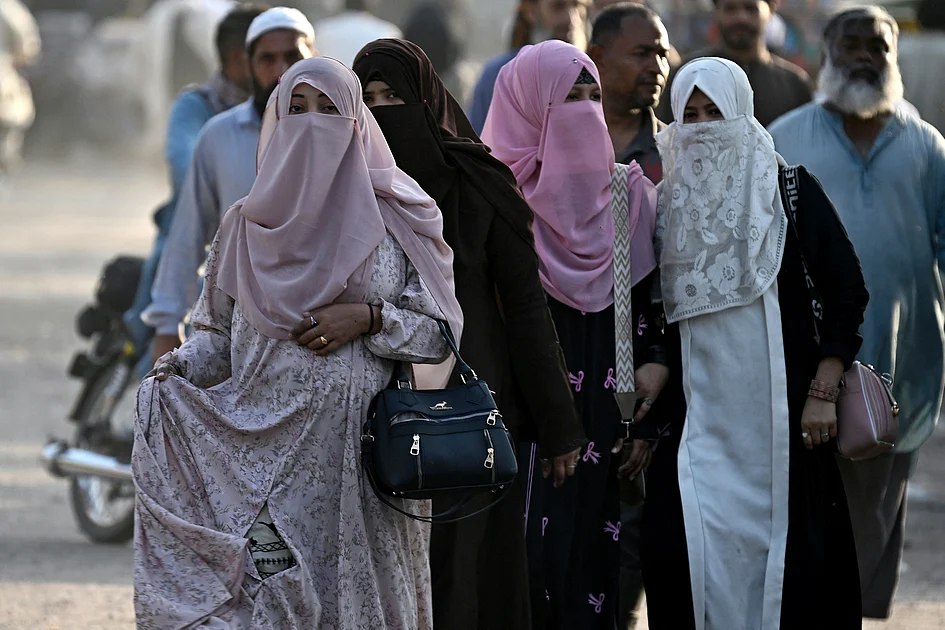
In Karachi’s Bengali markets, stories of separation echo through crowded alleyways. Shah Alam, a 60-year-old dried seafood vendor, embodies this narrative—stranded in Pakistan for nearly three decades after what was intended as a brief visit. ‘I wanted to go back, but there was no way. The relationship was not good. I had no money,’ Alam told AFP, now planning his return to Bangladesh after Eid al-Adha to reunite with surviving family members.
The geopolitical shift follows Bangladesh’s 2024 student-led uprising that brought new leadership under Chief Adviser Muhammad Yunus, who pledged to warm relations with Islamabad. This diplomatic progress continues under newly elected Prime Minister Tarique Rahman, creating unprecedented opportunities for people-to-people connections.
Yet beneath this optimism lies complex reality. Many Bengali families in Pakistan’s slum settlements like Machhar Colony face statelessness—deprived of national identity cards, education access, and economic opportunities. ‘I am a Pakistani, but I don’t have my identity card,’ lamented 22-year-old Ahmed, whose family cannot prove pre-1971 residency.
Community representatives note the cultural transformation undergone by Pakistani Bengalis, with many adopting Urdu and local customs. ‘We don’t have our own culture now,’ acknowledged lawyer Hafiz Zainulabdin Shah, though he expressed optimism about the improved bilateral relationship.
The diplomatic breakthrough, including Foreign Minister Ishaq Dar’s 2025 Dhaka visit—the first by a Pakistani official since 2012—signals a potential new chapter not only in state relations but in healing personal wounds that have festered for generations.