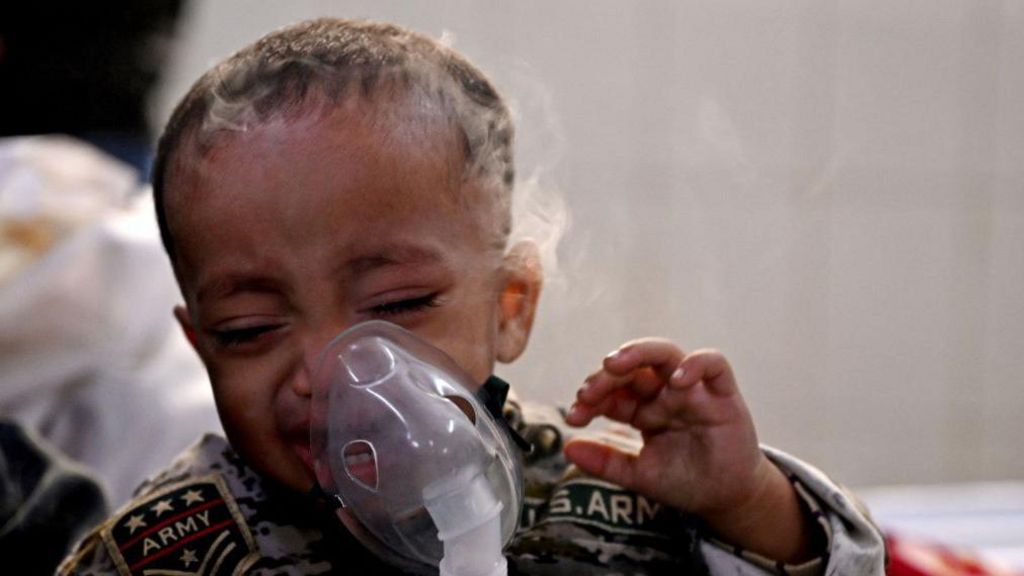
Delhi, the Indian capital, is grappling with a severe air pollution crisis, with children emerging as the most vulnerable victims. Hospitals across the city are witnessing a surge in young patients suffering from respiratory issues, a direct consequence of the hazardous air quality. The situation has reached alarming levels, with the Air Quality Index (AQI) consistently hovering between 300 and 400, far exceeding the World Health Organization’s recommended limit. Fine particulate matter (PM2.5), which can penetrate deep into the lungs, is a major contributor to the health crisis. Pediatric clinics are overwhelmed, with doctors reporting a tenfold increase in pollution-related illnesses among children. Dr. Shishir Bhatnagar, a pediatrician in Noida, noted that 50-70% of his patients during the pollution season suffer from breathing difficulties, compared to 20-30% in normal times. The government has implemented emergency measures, including halting construction and banning polluting vehicles, but these efforts have failed to curb the smog. Parents like Khushboo Bharti, whose one-year-old daughter Samaira was hospitalized with pneumonia, are living in constant fear. Research underscores the long-term health risks for children, including stunted development, weakened immunity, and cognitive impairments. A recent study from the University of Cambridge linked air pollution to a higher risk of dementia. Many families are considering relocating to safer environments, but for the economically disadvantaged, escape is not an option. Dr. A Fathahudeen, a pulmonologist, warns that chronic exposure to pollution can lead to irreversible lung damage in children. While schools have shifted to hybrid learning and outdoor activities have been curtailed, parents question how long they can keep their children indoors. The crisis has sparked protests and calls for urgent action to protect the health of Delhi’s youngest residents.