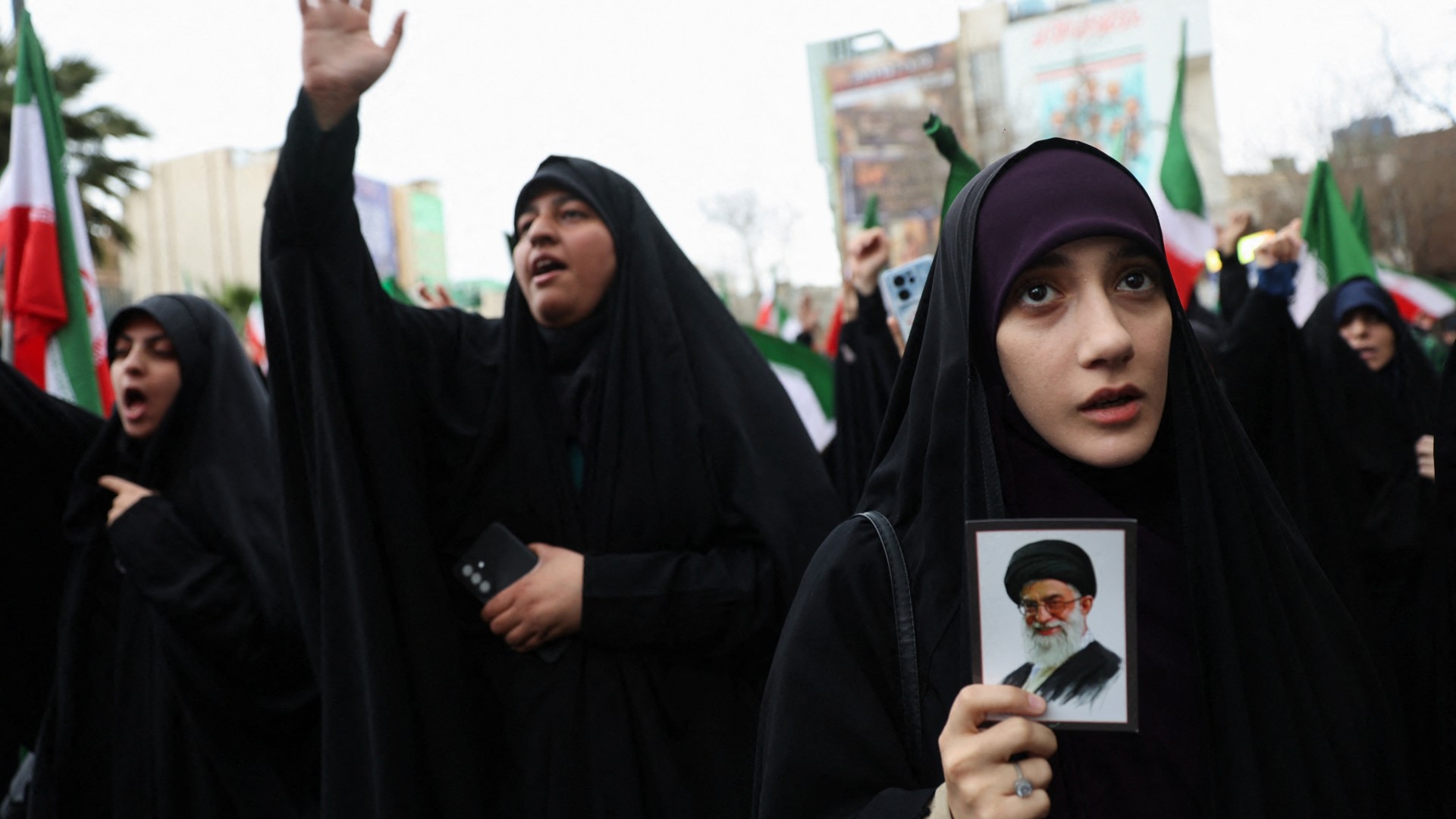
Tehran residents awoke to unprecedented violence on Saturday as coordinated American and Israeli strikes targeted Iran’s capital, creating scenes of devastation and personal tragedy across the city. The attacks marked a significant escalation in regional tensions, with multiple strategic locations struck including areas housing government facilities and residential neighborhoods housing prominent figures.
Hossein, a Tehran resident, discovered his parents’ home in the Narmak district completely destroyed after repeated attempts to contact them failed. “I had begged them to leave Tehran,” he told Middle East Eye, emotionally recounting how his retired parents had refused to abandon their home despite warnings. The neighborhood, known for housing former president Mahmoud Ahmadinejad and other high-ranking officials, became a primary target in what appears to be an attempt to decapitate Iran’s leadership.
The Iranian National Security Council urgently advised civilians to evacuate major urban centers, creating massive traffic jams as millions attempted to flee Tehran. Plumes of smoke rose from various locations including central areas near Jomhouri and Pasteur streets, where the supreme leader’s residence and presidential offices are located. Reports confirmed strikes extending beyond Tehran to Qom, Karaj, Isfahan, Kermanshah, and Ilam province.
Among the most tragic incidents was the bombing of Shajareh Tayyebeh school in Minab city, where at least 63 children perished with more bodies still being recovered from rubble. The attack has sparked widespread horror and raised questions about targeting protocols.
While US President Trump and Israeli Prime Minister Netanyahu framed the offensive as potential liberation for Iranians, many citizens expressed profound anxiety about the future. Azar, a retired teacher who survived the Iran-Iraq War, stated: “I have never seen war lead to anything good. No matter how criminal a government may be, war is still worse.”
The crisis has created political uncertainty with opposition groups including Reza Pahlavi (son of the former monarch) and the National Council of Resistance of Iran positioning themselves as transitional rulers. Kurdish groups like PJAK have indicated they view the situation as both opportunity and threat.
For ordinary citizens like Milad, a shop owner near Republic Street, the reality remains terrifying uncertainty. “I honestly have no idea what will happen next,” he confessed after experiencing the explosions firsthand. “Right now, I feel like a question mark myself.”