A severe humanitarian catastrophe is unfolding along Afghanistan’s mountainous border with Iran, where subzero temperatures are claiming the lives of desperate migrants attempting illegal crossings in search of economic survival. The International Organization for Migration reports that Iran and Pakistan have collectively repatriated approximately five million Afghan nationals since September 2023, abruptly increasing Afghanistan’s population by 10% and exacerbating an already critical resource shortage.
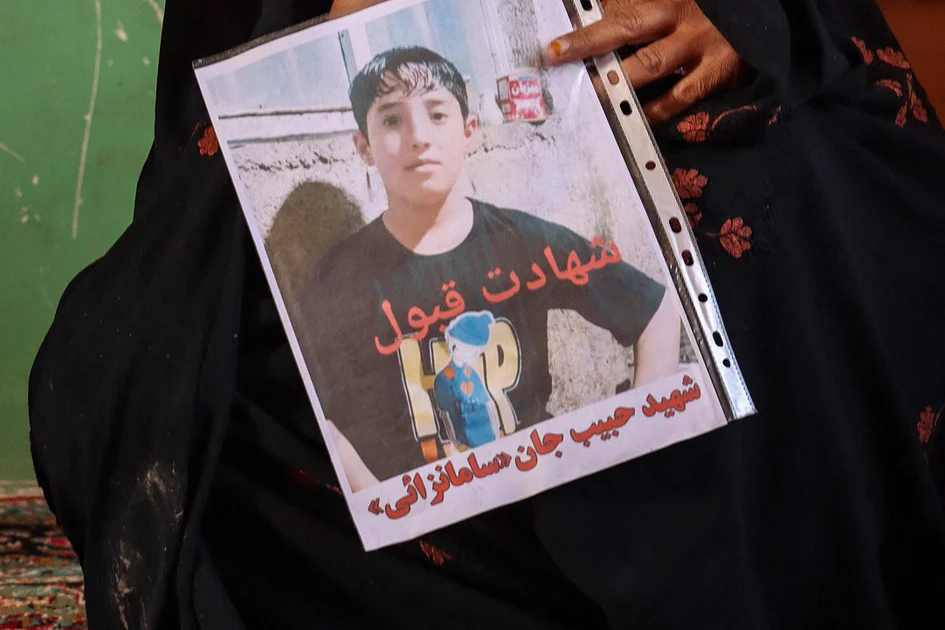
Tragic evidence of this crisis emerged last month when at least 18 Afghan migrants perished during attempted border crossings from Herat province, where temperatures hovered around -3°C (27°F). Among the victims was 15-year-old Habibullah, whose family described his desperate circumstances before his fatal journey. “He was forced to go, to bring food for the family,” explained his mother Mah Jan, clutching her son’s photograph in their Ghunjan village home lacking electricity, water, and adequate heating.
The UN estimates approximately half of Afghanistan’s population will require humanitarian assistance this year, with earthquakes, drought, and economic collapse creating unbearable conditions. Despite the known dangers, migrants continue to risk illegal routes through “very dangerous” crossing points, according to Mutya Izora Maskun, IOM’s deputy head in Afghanistan, who cited “economy, job insecurity, food insecurity, constrained access to services” as primary drivers.
Iranian border guard commander Majid Shoja confirmed that approximately 1,600 Afghan migrants were rescued from mountain areas in recent days, while Afghan authorities reported 347 individuals were apprehended attempting illegal crossings during December’s final week. The Taliban government claims to have implemented “serious steps to fight the smugglers,” according to interior ministry spokesman Abdul Mateen Qani, but the flow of desperate migrants continues unabated.
Survivors recount harrowing journeys through treacherous conditions. Yunus, who accompanied his stepbrother Abdul Majeed Haidari on a mid-December crossing attempt, described how the 25-year-old father succumbed to exhaustion while seeking medication for his one-year-old son’s heart condition. “I can’t walk anymore,” were Haidari’s final words before his death, despite efforts by fellow travelers and eventual transportation to an Iranian hospital.
With legal migration channels severely limited despite shared language and greater employment opportunities in Iran, Afghanistan’s deputy labor minister Abdul Manan Omari acknowledged the necessity to “do more” in facilitating work permits for migrants, as families face impossible choices between starvation and lethal border crossings.