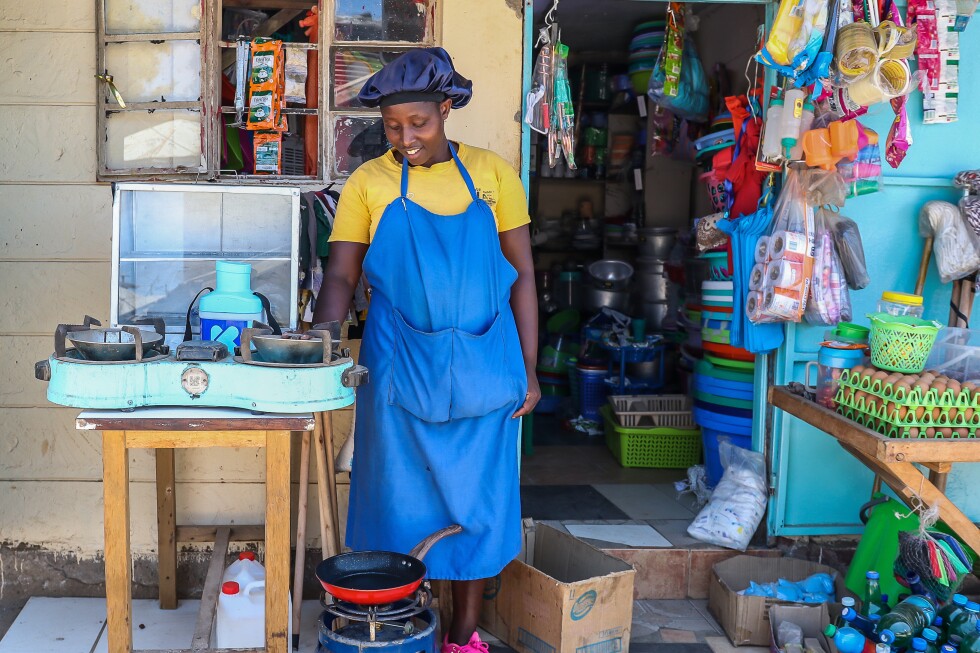
NAIROBI, Kenya — What began as an innovative solution to Kenya’s household energy crisis has ended in abrupt collapse, leaving over 1.5 million households scrambling for alternatives. Koko Networks, once celebrated as Africa’s green transition pioneer, has shuttered its entire bioethanol distribution system across Kenya, rendering more than 3,000 fuel points inactive.
The company’s downfall stems from a critical regulatory impasse with Kenyan authorities regarding carbon credit authorization and bioethanol import permits. Without these approvals, Koko’s business model became financially unsustainable, forcing immediate closure despite having major investors including Microsoft’s Climate Innovation Fund and South Africa’s Rand Merchant Bank.
In Nairobi’s Kibera informal settlement, the impact is particularly severe. Former Koko agent Fredrick Onchenge, who served approximately 50 customers daily, now faces economic ruin. ‘My livelihood was gone instantly,’ he recounted. ‘I tried calling the salesperson, but their phone was switched off.’
The shutdown has forced families back to unhealthy alternatives. Grace Kathambi, who relied on Koko’s affordable bioethanol (approximately 30 cents per cook), must now choose between costly liquefied petroleum gas or returning to smoky charcoal. ‘This was a life changer for me,’ she lamented. ‘We feel abandoned, yet it’s not our fault.’
Kenyan presidential economic advisor David Ndii described the situation as ‘uniquely multidimensional,’ involving Paris Agreement frameworks, carbon credit credibility questions, and diplomatic considerations. Government officials have declined to comment on the closure.
Energy analysts warn this collapse exposes fundamental flaws in Africa’s clean cooking financing. Amos Wemanya of Power Shift Africa criticized carbon credit-dependent models: ‘We are not going to solve the clean cooking challenge through carbon math spreadsheets. Carbon markets allow polluters to continue emitting while households bear the risks when projects fail.’
The episode highlights the urgent need for transition to renewable electricity-based solutions rather than temporary fossil fuel alternatives. For now, thousands of Kenyan families face impossible choices between affordability, health, and environmental sustainability.