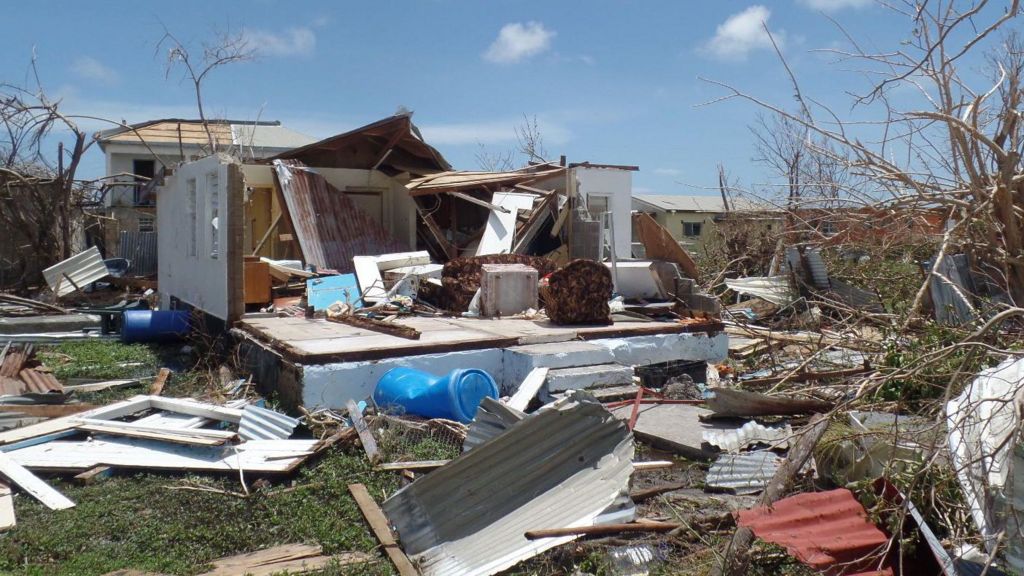
For many residents of Barbuda, the scars of Hurricane Irma’s devastation in September 2017 remain fresh. Eight years later, thunderstorms still evoke harrowing memories of the night when the Category 5 storm obliterated homes and livelihoods. While the emotional toll persists, the financial burden of recovery has become increasingly insurmountable, as home insurance premiums across the Caribbean have surged by up to 40% in the past two years. Experts attribute this spike to a combination of escalating cyclone risks and the region’s small population, which limits the profitability of insurance policies. Dwight Benjamin, a Barbudan whose home survived Irma, has fortified his property with a concrete-roofed extension to serve as a shelter. Yet, like many in the region, he has never purchased insurance, citing its prohibitive cost and a belief in the resilience of his self-built home. Across the Caribbean, the majority of homes remain uninsured, with only 20% coverage in Jamaica and 50% in Barbados. The region’s vulnerability extends beyond hurricanes to earthquakes and volcanic activity, further complicating the insurance landscape. Peter Levy, CEO of Jamaican insurance firm BCIC, describes the Caribbean as a ‘unique market’ where natural disaster risks perpetually drive high premiums. For instance, Antiguan insurer Anjo charges between 1.3% and 1.7% of a home’s value, compared to less than 0.2% in the UK. As the Atlantic hurricane season peaks, residents like Mohammid Walbrook, who lost his home to Irma, brace for the psychological and physical toll of potential storms. International aid, such as the $25 million provided by the United Nations Development Programme (UNDP) in 2017, has been crucial in rebuilding efforts. The UNDP’s cash-for-work program not only restored over 800 buildings but also provided employment to hundreds of suddenly jobless residents. Training in resilient construction techniques has further equipped locals to withstand future disasters. Regional initiatives like the Caribbean Catastrophe Risk Insurance Facility, which disbursed a record $85 million after Hurricane Beryl, offer some relief. However, for deeply indebted nations like Antigua and Barbuda, preparedness remains a year-round challenge. Sherrod James, director of the country’s disaster services, emphasizes proactive measures, from shelter assessments to flood mitigation. Despite the ongoing risks, the resilience of Caribbean communities endures, as they navigate the dual challenges of climate change and economic constraints.