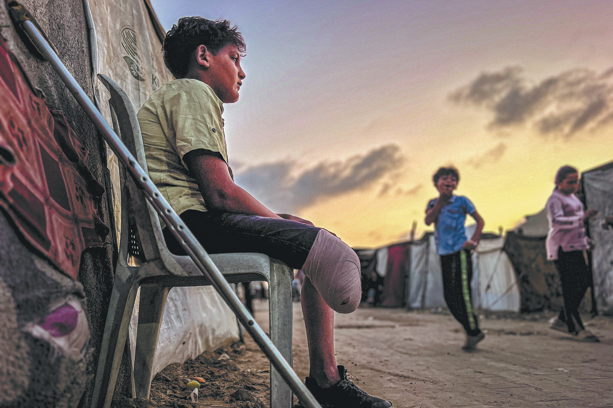
A month into the Gaza ceasefire agreement, relative calm has been restored to the region. However, experts warn that the second phase of negotiations, which involves critical issues such as Hamas’ disarmament and Israeli withdrawal, faces significant challenges. A prolonged deadlock could reignite conflict, jeopardizing the fragile peace established since October 10 after over two years of intense fighting. The first phase of the ceasefire, focused on humanitarian aid and the exchange of hostages and prisoners, has shown tangible results. Hamas has released 20 living hostages and the remains of 24 others, while Israel has returned the bodies of approximately 300 Palestinians. Humanitarian aid has also improved, with over 37,000 metric tons of supplies transported into Gaza by the UN and its partners. Despite these achievements, the truce remains precarious, with both sides accusing each other of violations and sporadic skirmishes continuing. According to the Gaza health authorities, at least 245 Palestinians have been killed since the ceasefire began. Analysts, including Niu Xinchun of the China-Arab Research Institute and Shu Meng of Shanghai International Studies University, highlight mutual suspicion, internal divisions, and fundamental disagreements on core issues as major obstacles to advancing negotiations. Israeli Prime Minister Benjamin Netanyahu has vowed to disarm Hamas and demilitarize Gaza, while Hamas views concessions as an existential threat. The US-proposed 20-point plan, which outlines the second phase of negotiations, has been criticized for failing to address Hamas’ demands and lacking a credible path toward a two-state solution. Experts argue that without addressing these underlying issues, the ceasefire’s future remains uncertain.