BUDAPEST, Hungary — In a dramatic escalation of diplomatic tensions, Hungary’s Foreign Minister Péter Szijjártó has leveled serious allegations against Ukraine, accusing the neighboring nation of attempting to influence Hungary’s upcoming April elections. The accusations were delivered Friday before hundreds of protesters gathered outside Ukraine’s embassy in Budapest, organized by a pro-government group with ties to Prime Minister Viktor Orbán’s Fidesz party.
The demonstration coincided with Hungary’s detention of seven Ukrainian state-owned bank employees and seizure of two armored vehicles transporting approximately $80 million in cash—a move condemned by Kyiv as illegal hostage-taking.
Minister Szijjártó presented multiple unsubstantiated claims, including allegations that Ukraine has been coordinating with the European Union and Orbán’s political opposition to block Russian oil shipments to Hungary via the Druzhba pipeline. “This is something that will not happen in Hungary. There will be no pro-Ukraine government, and Hungary will not have a pro-Ukraine prime minister,” Szijjártó declared to the angry crowd.
The foreign minister’s rhetoric reflects the increasingly bitter feud between the two nations over Hungary’s access to Russian oil through Ukrainian territory. Oil shipments through the Druzhba pipeline have been suspended since January 27, with Ukraine attributing the interruption to damage from Russian drone strikes and expressing concerns about technician safety and ongoing vulnerability.
Prime Minister Orbán, who faces an unprecedented electoral challenge next month, has intensified his anti-Ukraine campaign, recently labeling Ukraine as Hungary’s “enemy” and accusing President Volodymyr Zelenskyy of deliberately provoking an energy crisis to influence the Hungarian election. Orbán’s government has already implemented several retaliatory measures, including halting diesel shipments to Ukraine, vetoing new EU sanctions against Russia, and blocking a substantial €90 billion loan package for Kyiv.
With polls showing Orbán trailing behind a popular center-right challenger, the incumbent leader has framed the election as a defense against existential threats from Ukraine. He has claimed that an opposition victory would result in the EU forcing Hungary into bankruptcy by cutting Russian energy imports and sending Hungarian youth to fight in Ukraine.
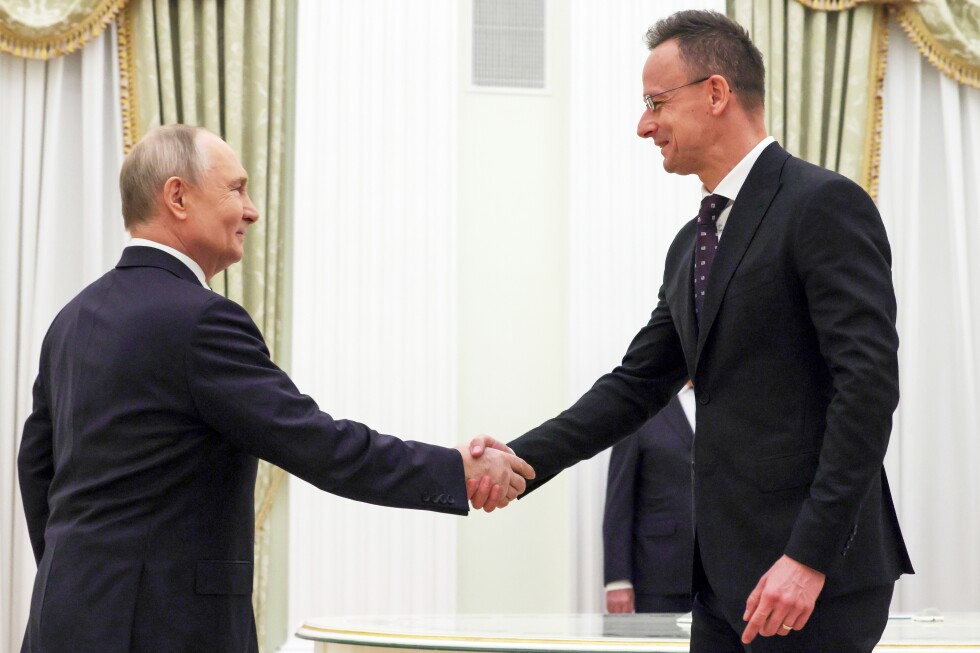
The diplomatic confrontation deepened when Szijjártó traveled to Moscow on Wednesday for a meeting with Russian President Vladimir Putin, seeking guarantees for continued access to Russian oil and gas despite disruptions caused by the Middle East conflict and pipeline interruptions. On Friday, Szijjártó asserted that Ukraine had placed Hungary under an “oil blockade” specifically designed to damage Orbán’s government before the election.