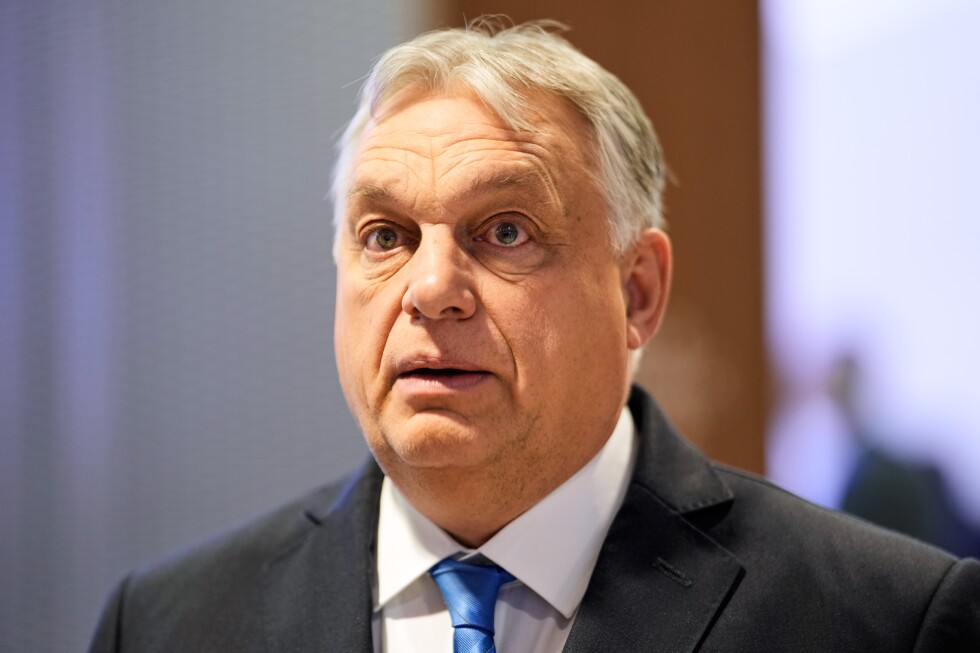
BUDAPEST, Hungary — Hungarian Prime Minister Viktor Orbán has dramatically escalated diplomatic tensions with Ukraine by accusing Kyiv of attempting to interfere in Hungary’s upcoming parliamentary elections. In a striking move on Monday, Orbán ordered the summoning of Ukraine’s ambassador to the Hungarian foreign ministry following what he characterized as “grossly offensive and threatening statements” from Ukrainian leadership.
The nationalist leader, who faces his most significant electoral challenge in sixteen years this April, has intensified his longstanding anti-Ukraine campaign strategy. Orbán claims Ukrainian officials, including President Volodymyr Zelenskyy, have launched coordinated efforts to undermine Hungary’s sovereignty and influence the election outcome. Without presenting specific evidence, the prime minister asserted that national security assessments confirmed Ukrainian interference attempts.
This diplomatic confrontation emerges as Orbán’s right-wing Fidesz party trails opposition parties by double digits in most pre-election polls. The prime minister has centered his campaign on unverified claims that Hungarian citizens could face forced conscription to fight in Ukraine if his government loses power. Orbán has additionally accused his primary political rival, Péter Magyar, of conspiring with Kyiv to install a pro-Western administration in Budapest.
Hungary has consistently opposed European Union military and financial assistance to Ukraine throughout Russia’s ongoing invasion, maintaining Orbán’s unique position as the EU leader with closest ties to Moscow. The government has vowed to veto Ukraine’s EU membership aspirations and recently launched a national petition campaign against continued European support for Kyiv.
The diplomatic rift widened last week when President Zelenskyy criticized Orbán at the World Economic Forum in Davos, suggesting the Hungarian leader “lives off European money while trying to sell out European interests” and comfortable relations with Moscow shouldn’t dictate European policy.