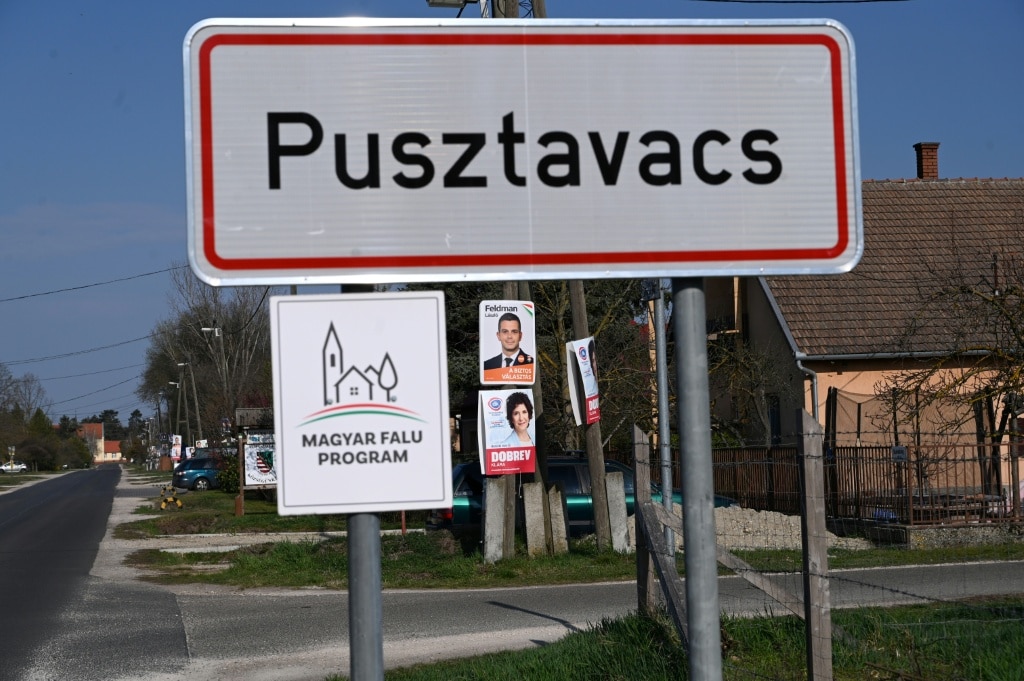
In the Hungarian countryside, where half the nation’s 9.5 million residents reside, a profound political transformation is underway ahead of the pivotal April 12 parliamentary elections. For decades, rural communities like the village of Pusztavacs served as unwavering strongholds for Prime Minister Viktor Orbán’s Fidesz party. Now, economic stagnation, corruption allegations, and the emergence of charismatic opponent Péter Magyar have triggered what analysts describe as a rural ‘political awakening’ that could end Orbán’s 14-year reign.
The political landscape reveals deep voter ambivalence. While some residents credit Orbán’s government with infrastructure improvements and family support programs, others express growing discontent over economic conditions and fears about Hungary’s involvement in neighboring Ukraine’s conflict. Orbán’s campaign has strategically amplified these security concerns, flooding government-friendly media with warnings that opposition parties would drag Hungary into war—a claim both the EU and Magyar’s Tisza party vehemently deny.
Magyar’s anti-corruption message and nationalist-conservative positioning have resonated unexpectedly in traditional Fidesz territories. His Tisza party currently leads opinion polls, with sociologists noting his effective adoption of conservative values that appeal to rural constituencies. Electoral analysts emphasize that victory requires conquering rural districts, comparing Magyar’s challenge to a ‘Himalayan expedition’ where urban support constitutes merely the base camp.
Personal stories highlight this political shift. A middle-aged reserve soldier in Pusztavacs who previously supported Fidesz now regrets his vote, while pensioner László Budavari plans to support Tisza because his three daughters threaten emigration if Orbán wins a fifth term. Yet Orbán retains loyalists like 86-year-old Mária Balogh, who believes the prime minister ‘provides rather than takes away’ despite courts ruling her fears about pension taxes under Magyar as groundless.
This electoral battle ultimately represents a fundamental choice between continuity and change, with Hungary’s rural voters positioned as the decisive arbiters of the nation’s political future.