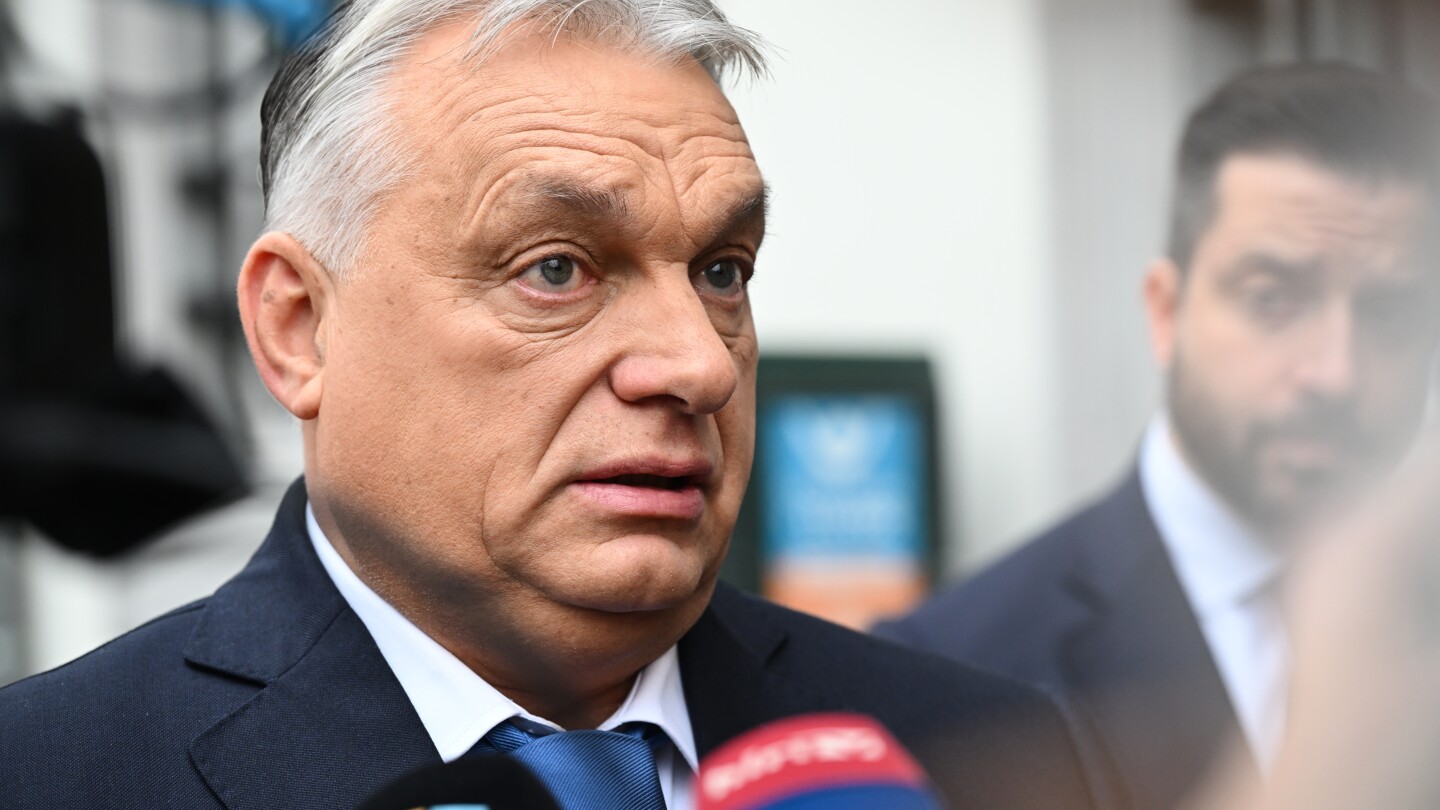
BUDAPEST, Hungary — Hungary’s political arena is poised for a transformative confrontation as President Tamás Sulyok officially designated April 12 for the nation’s parliamentary election. This electoral contest presents Prime Minister Viktor Orbán with his most formidable political challenge since assuming power in 2010, marking a potential watershed moment in Hungarian politics.
The political landscape has been dramatically reshaped by the rapid ascent of Péter Magyar, a 44-year-old center-right attorney who has mobilized substantial support through an intensive grassroots campaign across Hungary’s rural regions. Magyar’s Tisza party has capitalized on widespread public discontent regarding economic stagnation, escalating living expenses, and deteriorating public services, positioning itself as a viable alternative to Orbán’s establishment.
Orbán, the European Union’s longest-serving leader who has championed his vision of an “illiberal democracy,” now confronts an opposition movement that has consistently outperformed his Fidesz party in independent polling. The Prime Minister’s political strategy has centered on consolidating institutional control and media influence throughout his tenure, though critics maintain this has fostered systemic corruption.
The electoral battle has been framed by Fidesz as a fundamental choice between peace and conflict, with government allies asserting that Tisza represents a Brussels-orchestrated initiative to establish a puppet administration that would redirect Hungarian resources toward supporting Ukraine’s military efforts. These allegations have been vehemently denied by the opposition.
Magyar has committed to implementing comprehensive anti-corruption reforms and securing the release of billions in frozen EU funds contingent upon judicial independence enhancements, should he attain victory. Notably, Orbán has declined invitations for a televised debate with his challenger—a format he has avoided since his 2006 electoral defeat.
The formal campaign period commences on February 21, initiating candidate signature collection and permitting political advertising, setting the stage for a historically significant electoral confrontation that could redefine Hungary’s political trajectory and its relationship with European institutions.