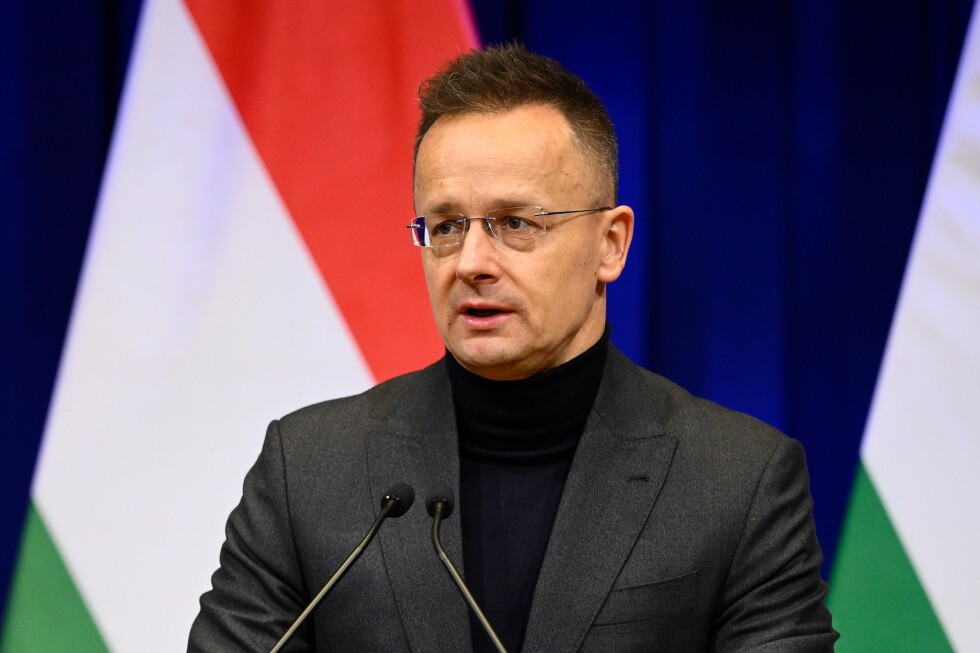
BUDAPEST, Hungary — In a significant escalation of regional tensions, Hungary has declared it will veto the European Union’s proposed €90 billion ($106 billion) financial assistance package for Ukraine until Russian oil shipments through the Druzhba pipeline are fully restored. The announcement came from Hungarian Foreign Minister Péter Szijjártó, who accused Ukrainian authorities of deliberately obstructing energy supplies to Central Europe.
The diplomatic confrontation stems from the January 27 interruption of Russian oil deliveries to Hungary and Slovakia, which occurred after Ukrainian officials reported damage to the Druzhba pipeline following a suspected Russian drone attack. Both Central European nations, which maintain exemptions from EU sanctions on Russian oil imports, have alleged without presenting concrete evidence that Ukraine is intentionally delaying the resumption of flows.
In a social media address delivered Friday evening, Minister Szijjártó characterized Ukraine’s actions as economic blackmail, stating: ‘We will not yield to this pressure tactic. While we don’t support Ukraine’s military efforts, we refuse to bear the cost. Until Ukraine permits oil transit to Hungary, we will obstruct EU decisions beneficial to Ukraine.’
This funding blockade represents the latest in a series of confrontational moves from Budapest, coming just days after Hungary suspended diesel shipments to Ukraine and mere days before the fourth anniversary of Russia’s full-scale invasion. The position highlights Hungary’s outlier status within the EU and NATO, as nearly all other member states have dramatically reduced or completely eliminated Russian energy imports since February 2022.
Prime Minister Viktor Orbán’s government continues to maintain that Russian fossil fuels remain essential for Hungary’s economic stability, arguing that alternative energy sources would trigger immediate economic collapse—a position disputed by numerous energy experts. As the Kremlin’s most vocal supporter within the EU, Orbán has consistently opposed sanctions targeting Russia’s energy sector and repeatedly threatened to veto Union-wide support measures for Ukraine.
The €90 billion loan package, approved by the EU in December to address Ukraine’s military and economic requirements over the next two years, already faced opposition from Hungary, Slovakia, and the Czech Republic. A compromise arrangement had previously been reached wherein these nations abstained from blocking the loan in exchange for financial safeguards.