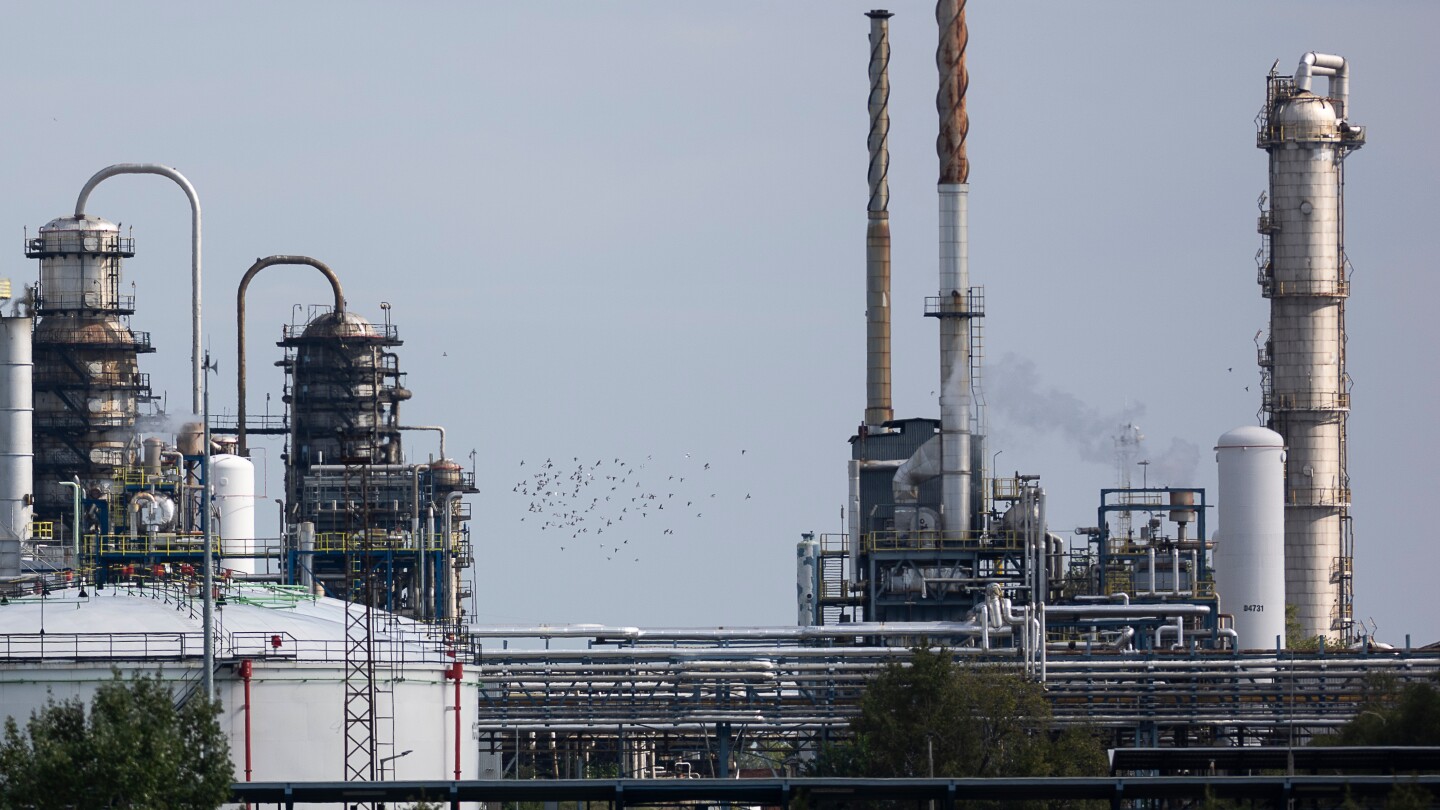
In the midst of the European Union’s aggressive push to sever ties with Russian energy and U.S. President Donald Trump’s administration urging NATO members to abandon Russian oil, Hungary’s populist government, led by Prime Minister Viktor Orbán, remains steadfast in its commitment to Russian energy. Orbán has long argued that Russian energy imports are vital for Hungary’s economy, warning that switching to alternative sources would lead to immediate economic collapse. Despite the EU’s sanctions on Russia following its invasion of Ukraine in February 2022, Hungary has not only maintained but increased its Russian energy imports, citing a lack of viable alternatives. Critics, however, argue that Orbán’s stance is more politically motivated than economically justified, pointing to his close ties with Russian President Vladimir Putin. Hungary’s landlocked geography and reliance on Soviet-era pipelines further complicate the transition to non-Russian energy sources. While other EU countries have significantly reduced their dependence on Russian energy, Hungary has been granted a temporary exemption, allowing it to continue importing Russian oil and gas via pipelines. Energy experts, including László Miklós, a former director of corporate relations at Hungary’s national oil and gas conglomerate MOL, argue that Hungary’s reluctance to seek alternative energy sources is not economically rational. Miklós suggests that the Hungarian government’s continued reliance on Russian energy is more about supporting Russia’s war efforts than economic necessity. Despite these criticisms, Hungary’s leaders maintain that the country’s geographical location and infrastructure limitations make it impossible to transition away from Russian energy. Meanwhile, other landlocked countries in the region, such as the Czech Republic, have successfully reduced their dependence on Russian oil. Hungary’s national energy company, MOL, has begun investing in diversifying its energy sources, but the government’s political will to break away from Russian energy remains in question. As the EU continues to push for a complete cessation of Russian energy imports, Hungary’s defiance highlights the complex interplay between politics, economics, and energy security in Europe.