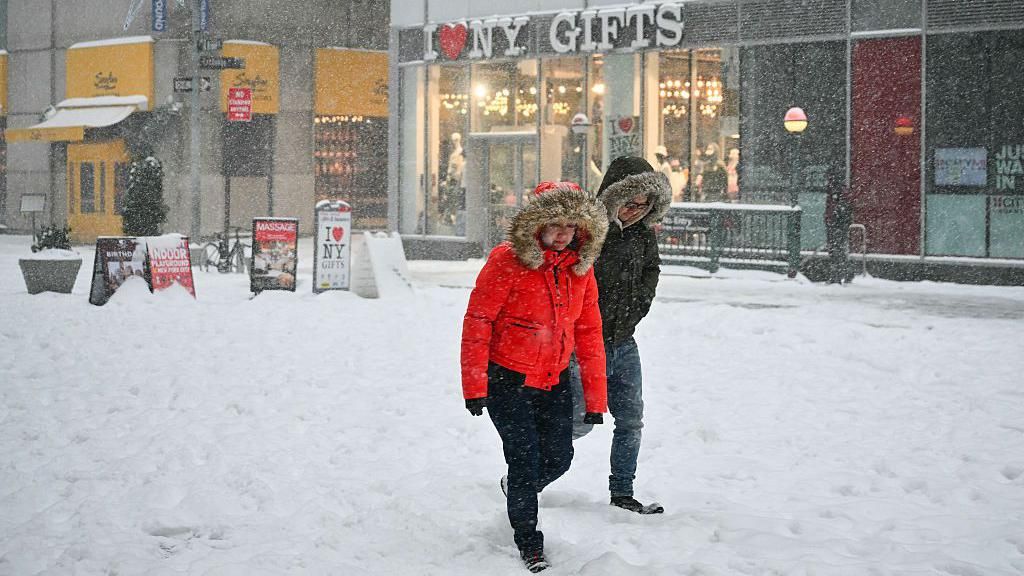
A catastrophic winter storm of historic proportions continues to wreak havoc across the United States, creating life-threatening conditions from the Southern Plains to New England. The powerful weather system, driven by an destabilized polar vortex, has plunged temperatures 15-20°C below seasonal averages in typically mild Southern states, catching millions of Americans unprepared.
The human toll is mounting with at least four confirmed storm-related fatalities—two from hypothermia in Louisiana’s Caddo Parish, one exposure-related death in Texas, and multiple fatalities in New York City under investigation. Power infrastructure has suffered catastrophic failure with over 1 million households experiencing outages according to poweroutage.us, particularly severe in Tennessee where Nashville Electric Service warns restoration could take several days.
Transportation networks face unprecedented disruption with more than 10,000 flight cancellations reported by FlightAware and dangerous road conditions prompting over 200 crash reports in Virginia alone. The storm’s unique characteristic of producing significant ice accumulation—up to one inch in some areas—has proven particularly destructive, weighing down power lines and creating treacherously slick surfaces that refreeze daily.
Meteorologist Allison Santorelli of the National Weather Service emphasized the prolonged nature of the crisis: “The snow and ice will be very slow to melt, hindering recovery efforts for the foreseeable future.” Nearly half of U.S. states have declared emergencies, with Washington DC Mayor Muriel Bowser noting this constitutes “the biggest snowstorm in a decade” for the capital region.
Tennessee Emergency Management Director Patrick Sheehan expressed particular concern about “ice accumulation’s impact on roadway safety and power infrastructure.” The storm continues its eastward trajectory, with forecasts predicting dangerously cold conditions persisting into early February, while climate scientists debate potential connections between such extreme weather events and changing sea surface temperatures in a warming world.