The United Nations has issued a stark warning that Colombia faces a dangerous regression to pre-peace accord human rights conditions, potentially undermining both national security and upcoming electoral processes. In its annual assessment released Thursday, the UN High Commissioner for Human Rights documented alarming escalations across multiple conflict indicators throughout 2025.
Rural communities have become battlegrounds for armed factions and drug trafficking organizations vying for territories vacated by the Revolutionary Armed Forces of Colombia (FARC) following their historic 2016 disarmament. The statistical evidence reveals a disturbing trend: forced displacements surged by 85% to approximately 94,000 citizens, while murders targeting human rights defenders increased by 9%. Simultaneously, illegal armed groups imposed 12% more lockdowns—coercive measures that restrict civilian movement, prohibit farming activities, and force closures of educational institutions and businesses.
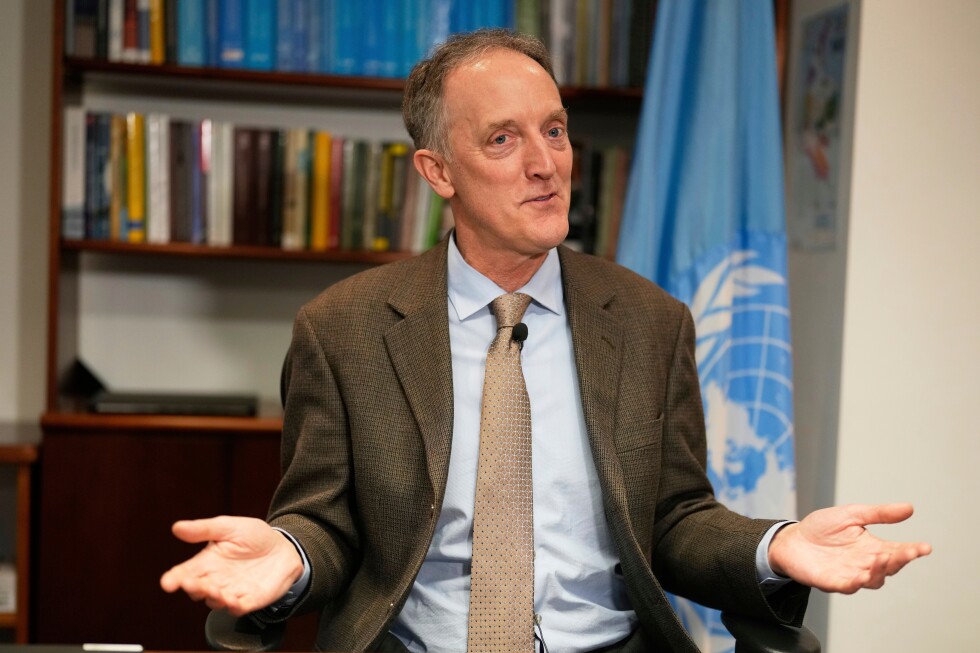
Scott Campbell, the UN’s Colombia representative, characterized the report as “an early warning” highlighting numerous indicators demanding immediate attention to prevent further deterioration. While current violence levels haven’t reached the peak conflict era’s annual displacement of 300,000 people, the assessment emphasizes that governmental protections remain insufficient.
A particularly insidious development involves rebel groups leveraging social media platforms to forcibly recruit minors. Although the UN verified 150 such cases in 2025, officials acknowledge significant underreporting due to families’ legitimate fears of retaliation.
The administration of President Gustavo Petro—a former guerrilla member who pioneered “total peace” negotiations with remaining insurgent groups—has struggled to translate ceasefires into enhanced civilian protection. The report notes these diplomatic efforts have frequently failed to reduce attacks against non-combatants.
Electoral security emerges as a critical concern, with documented attacks against 126 political leaders and 18 assassinations in the past year. The assassination of conservative presidential candidate Miguel Uribe in Bogotá—the first such incident in three decades—exemplifies the deteriorating security environment for democratic participation.
With congressional elections scheduled for March 8 and presidential voting in May, the UN urges both current and future administrations to fully implement the 2016 peace agreement’s outstanding provisions. These include establishing agrarian conflict resolution mechanisms and developing sustainable alternative livelihoods to coca cultivation. Campbell emphasized that the existing peace accord provides a definitive “road map” toward achieving lasting stability and human rights protection.