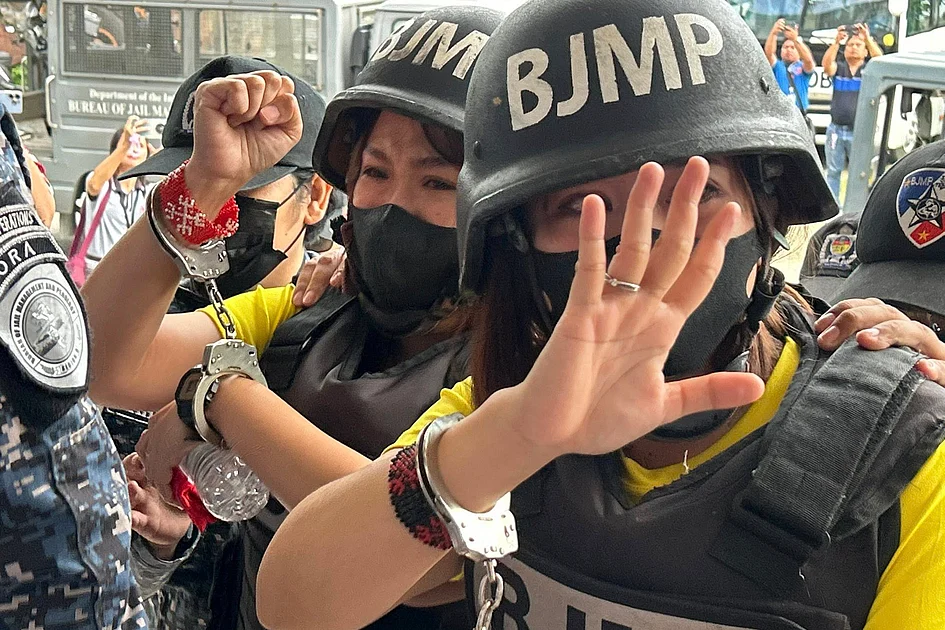
A regional trial court in the Philippines has convicted community journalist Frenchie Mae Cumpio on terrorism financing charges, sentencing the 26-year-old to a minimum of 12 years imprisonment. The Thursday verdict marks the first prosecution of a Filipino journalist under the country’s anti-terror financing legislation, drawing immediate condemnation from press freedom advocates worldwide.
While Cumpio and co-accused Marielle Domequil were acquitted of separate charges involving illegal possession of firearms and explosives, the terrorism conviction carries a potential 18-year sentence. The case stems from a February 2020 nighttime raid by Philippine troops who allegedly discovered incriminating items in her Tacloban City boarding house.
International press freedom organizations have uniformly denounced the ruling. Reporters Without Borders (RSF), following its independent investigation, declared the verdict “a clear miscarriage of justice.” Aleksandra Bielakowska, RSF’s Asia-Pacific Advocacy Manager, stated: “We are appalled by this verdict. The evidence presented in court clearly shows how fabricated this case has been from the very beginning.”
Human rights advocates characterize the conviction as part of a broader pattern of repression against activists and government critics. Cristina Palabay, secretary general of rights alliance Karapatan, told media outlets that the charges relied on “unreliable witnesses, speculative intelligence, and inconsistent narratives” regarding alleged financial support to rebel groups.
Cumpio, who turns 27 on January 23, has been detained since her arrest nearly six years ago while serving as executive director of Eastern Vista news website and a radio news anchor. Her reporting focused extensively on alleged abuses by security forces and community welfare issues in Eastern Visayas.
The case has raised concerns about the continuity of press freedom restrictions between Philippine administrations. Advocates are now calling on President Ferdinand Marcos Jr. to intervene, warning that without decisive action, his administration risks mirroring the press freedom record of his predecessor.