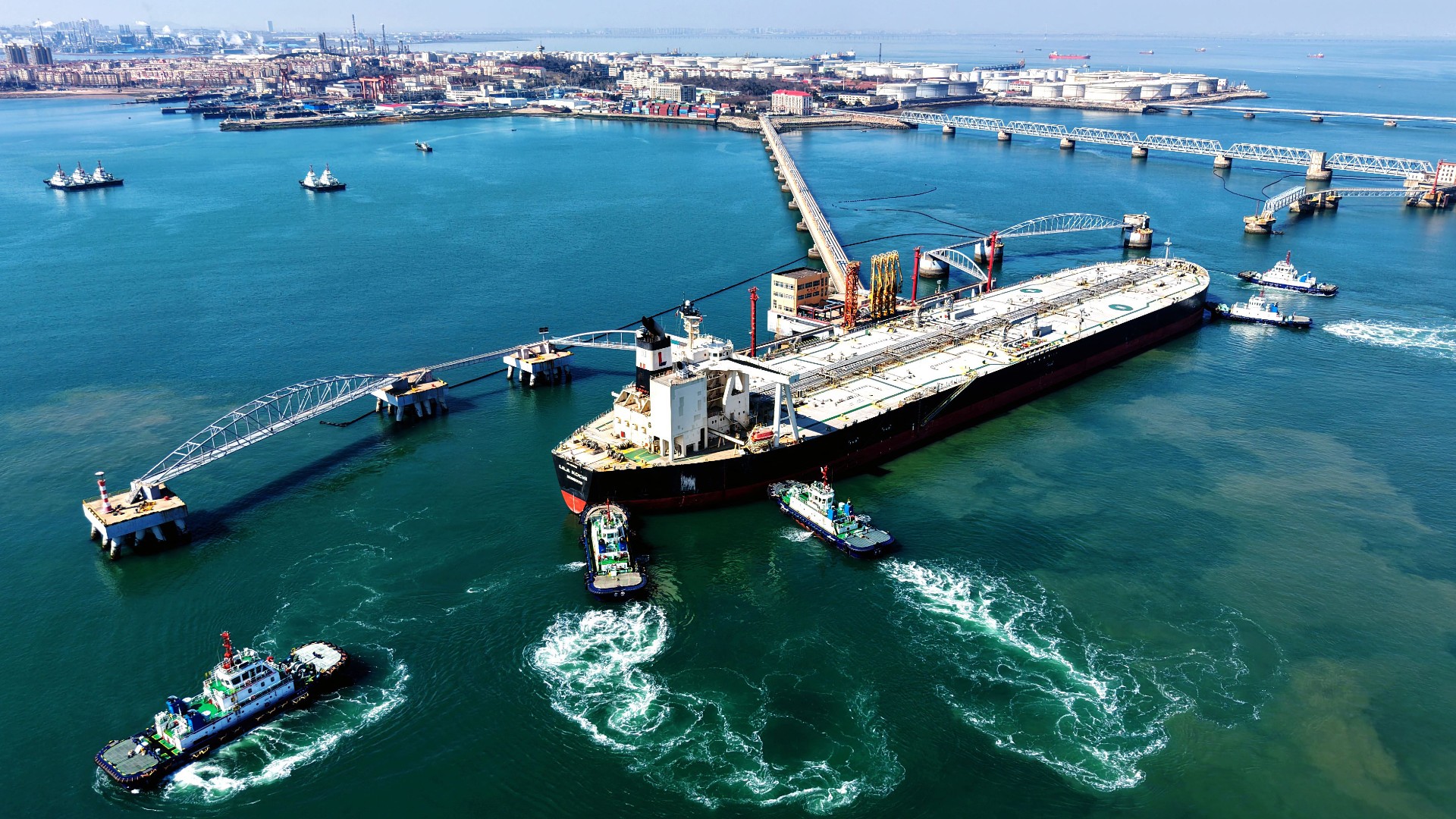
Financial markets worldwide experienced significant turbulence at the week’s opening following escalated military actions between Israel and Iran over the weekend. The conflict reached new intensity when Israeli forces targeted more than thirty Iranian oil depots across Tehran and Karaj, exceeding previously communicated operational scope according to Axios reports.
In retaliation, Iran launched offensive operations against energy infrastructure throughout the Gulf region, with confirmed attacks impacting facilities within the UAE, Qatar, Bahrain, and Kuwait. This exchange has substantially heightened geopolitical risks within global energy markets, particularly affecting crude oil transportation through the critically important Strait of Hormuz.
Energy markets witnessed extraordinary price movements, with Brent crude futures surging to $119 per barrel – the highest valuation since 2022 – before moderating to approximately $105 following announcements of potential coordinated petroleum reserve releases by G7 nations through the International Energy Agency. The price volatility reflected market uncertainty regarding supply continuity from the region.
The conflict’s impact extended beyond energy markets, creating widespread equity market declines across Asian, European, and American trading sessions. Japan’s Nikkei 225 and South Korea’s KOSPI experienced particularly severe contractions, declining 5.2% and 6.2% respectively during Monday’s session, reflecting these nations’ substantial dependence on Middle Eastern energy exports.
European markets mirrored this negative trend, with London’s FTSE 100 dropping to its lowest level since mid-January while Germany’s DAX and France’s CAC both declined approximately 2.4%. The U.S. dollar strengthened notably amid revised inflation expectations and anticipations that the Federal Reserve might maintain higher interest rates for longer.
Industrial and agricultural commodities demonstrated varied responses, with aluminum reaching four-year highs due to supply concerns while precious metals including gold experienced unexpected declines. Agricultural commodities, particularly palm oil and soybean oil, recorded substantial gains linked to broader energy market movements.
Market analysts attribute the sustained volatility to concerns regarding conflict prolongation, particularly following Iran’s appointment of Mojtaba Khamenei as supreme leader and continued regional military operations. The situation remains highly fluid with traders monitoring diplomatic developments and potential supply disruptions.