In a stark declaration of foreign policy, US Treasury Secretary Scott Bessent outlined the Trump administration’s uncompromising stance towards Iran in a March 2025 address to the New York Economic Club. The stated objective, encapsulated in the phrase ‘Making Iran Broke Again,’ represents a significant escalation beyond the strategies of both previous and successive administrations, including Democrat Joe Biden’s.
This aggressive sanctions regime, described by former US State Department sanctions official Richard Nephew as a tool to extract ‘nuclear concessions, regional proxy concessions, and missile concessions,’ has fundamentally reshaped Iran’s economic landscape. Data reveals a devastating impact: Iran’s GDP per capita plummeted from $8,000 to $5,000 between 2012 and 2024, with the economy contracting by approximately 6-7% annually following the 2018 reimposition of sanctions after the US withdrawal from the JCPOA nuclear deal.
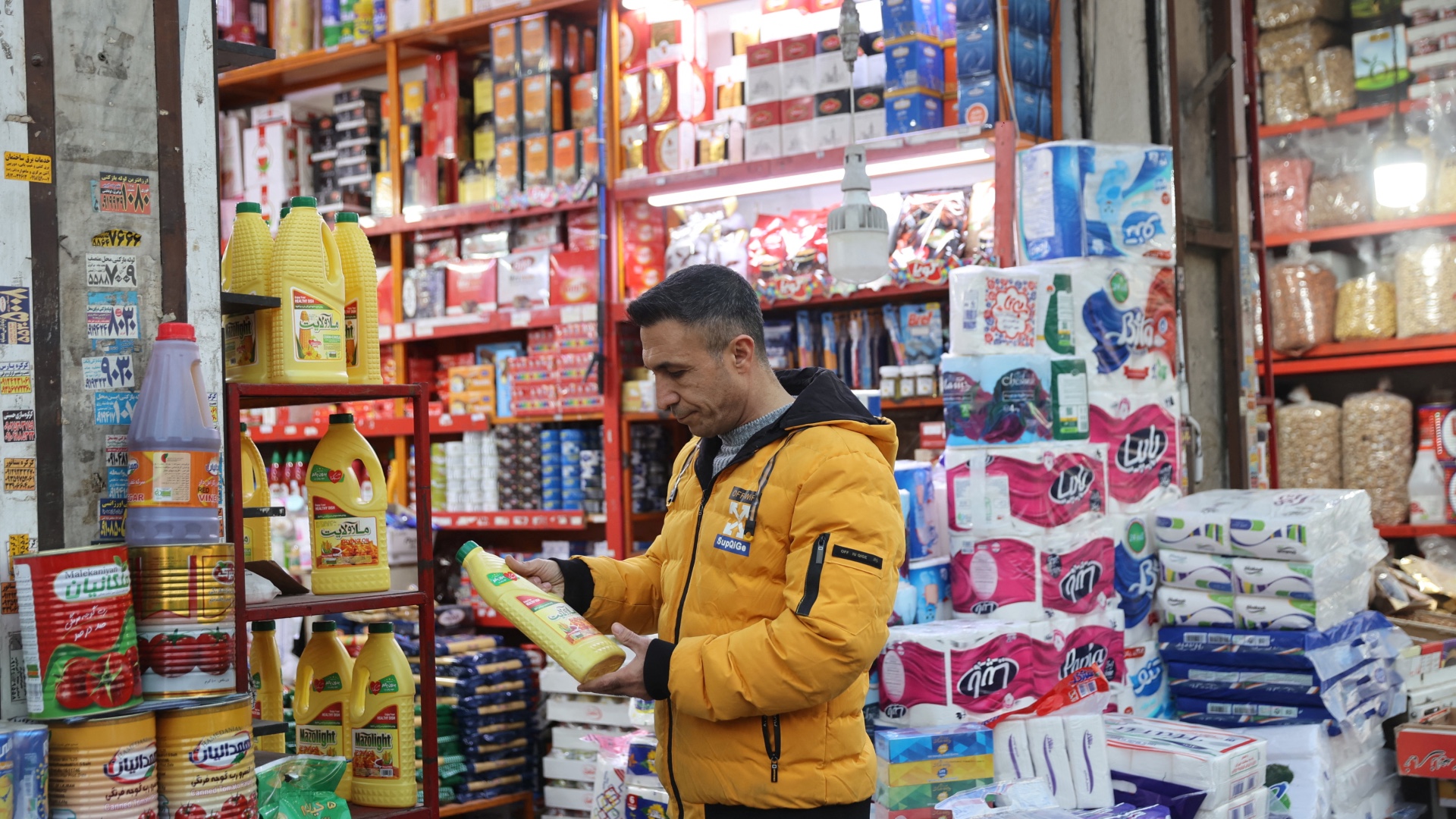
The human cost is profound. Sina Azodi, an assistant professor at George Washington University, detailed the consequences: ‘Unemployment has gone up. Inflation has gone up. The price of medical treatment, especially for cancer, has gone up.’ The recent collapse of a local bank and the Iranian rial hitting a historic low of 1.5 million to the US dollar have further fueled mass protests and economic instability.
Despite this economic devastation, analysts question the efficacy of sanctions in achieving geopolitical objectives. Experts point out that Iran’s nuclear program, which officials claim is for civilian purposes but is also framed as a deterrent against Israeli attacks, has continued to advance. The policy has instead strengthened the regime’s ‘resistance economy’—a model of socialist-style basic needs provision, import substitution, and barter trade with allied nations.
Critically, analysts argue that sanctions have had the opposite of their intended effect. Azodi states, ‘Economic sanctions make authoritarian regimes more authoritarian,’ explaining that regimes under pressure allocate more resources to security forces, viewing citizens as threats rather than assets. Furthermore, with the 2025 designation list targeting sanctions evasion networks surpassing all previous years, the cycle of economic isolation deepens. The Central Bank prints money to finance a budget crippled by a more than 60% drop in oil exports, leading to hyperinflation and a vicious cycle of currency devaluation.
The long-term outcome remains uncertain. While the Trump administration’s goal is to force behavioral change, the decades-long application of sanctions has failed to alter Iran’s nuclear policy, regional activities, or human rights record. Instead, it has inflicted immense hardship on the Iranian populace, with experts like Nephew acknowledging that sanctions are fundamentally ‘a question of applying pain,’ though their ultimate success in achieving strategic goals is far from guaranteed.