Two decades of international sanctions have fundamentally reshaped Iran’s socioeconomic landscape while driving strategic military realignments and technological investments, according to recent analyses from Iranian media outlets.
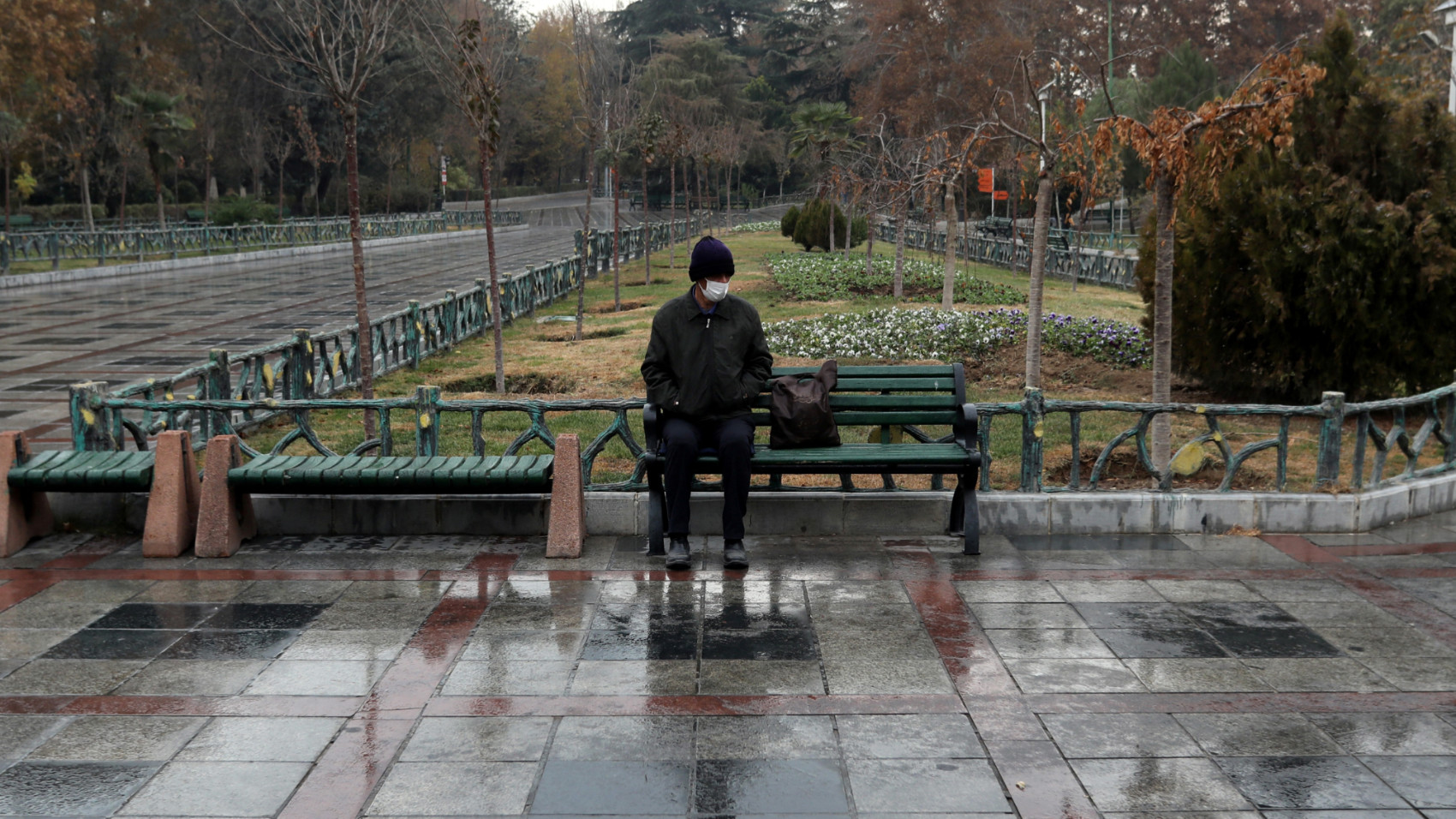
The economic toll of sustained sanctions has been devastating, with Ham Mihan daily documenting a dramatic rise in poverty from 9 million to 25.5 million people between 2006-2021. Concurrently, marginalized settlements expanded to accommodate over 14 million residents. Report author Farzaneh Tehrani notes that purchasing power has severely deteriorated, with meat and dairy disappearing from low-income diets and school dropout rates increasing significantly.
Tehrani emphasizes the profound societal transformation: “The Iran of 2025 is not the Iran of 2006. People have endured approximately 50% inflation, with millions descending below poverty thresholds. Housing costs have escalated while living spaces have diminished, forcing migration to cheaper cities and peripheries. Families now allocate larger income portions to food yet consume less nutritionally.”
This economic pressure coincides with strategic military developments. Following Iranian Foreign Minister Abbas Araghchi’s visit to Belarus, state media confirmed expanded military cooperation between the two Russian-aligned nations. While specifics remain undisclosed, unofficial reports suggest Belarus seeks Iranian technology for producing low-cost Shahed military drones.
Concurrently, Iran has restructured its air defense command following criticism of its performance during June’s 12-day conflict with Israel and the US. The appointment of Brigadier General Alireza Elhami to lead both the Khatam al-Anbiya Joint Air Defence Headquarters and Army Air Defence Force signals efforts to unify command structures. Journalist Jafar Yousefi, close to conservative circles, describes this as prioritizing “unity of command during crises” amid potential upgrades involving Chinese and Russian technical cooperation.
Parallel to military adjustments, Iran inaugurated its first national artificial intelligence center at Shahid Beheshti University. Named after assassinated nuclear scientist Amir Hossein Feqhhi, the Shahid Feqhhi Centre for Artificial Intelligence and Data Science potentially signals Tehran’s intent to integrate AI into its nuclear program. Officials announced plans for five additional specialized AI centers within universities nationwide, creating an integrated research network addressing the country’s practical needs.