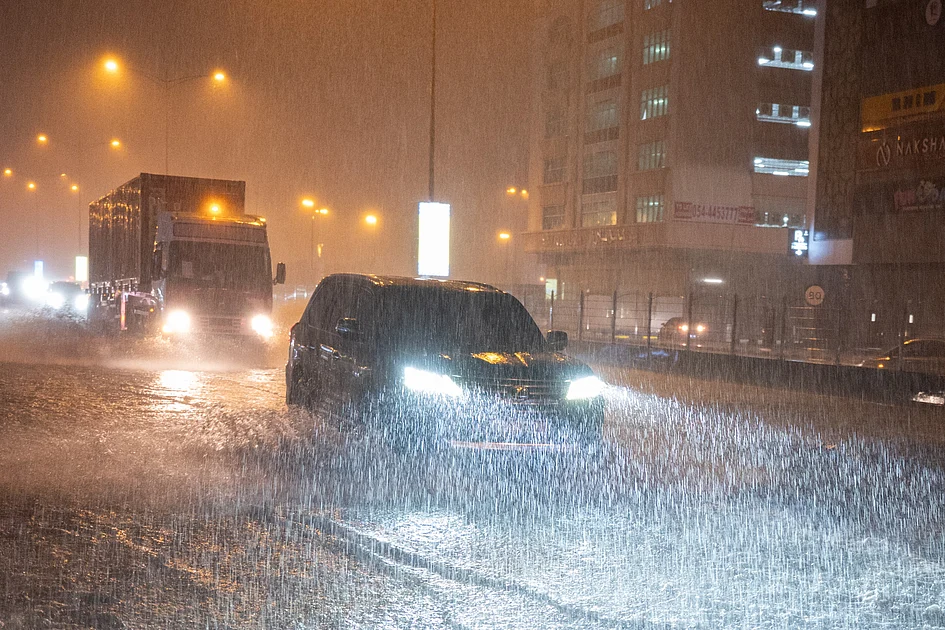
The United Arab Emirates demonstrated exceptional crisis management capabilities during recent severe weather conditions that affected the nation over a two-day period. Through coordinated government action and advanced preparedness measures, authorities effectively minimized potential damage and ensured public safety despite heavy rainfall.
Prior to the weather event, the National Centre of Meteorology provided consistent updates on developing conditions while municipal and civil defense agencies deployed specialized 4×4 vehicles and rescue equipment including hydraulic lifting systems, cutters, and advanced rescue technologies. Patrol and emergency teams maintained heightened vigilance, particularly in low-lying and vulnerable areas, to enhance response capabilities.
The comprehensive approach included widespread emergency SMS alerts distributed to both residents and tourists, urging precautionary measures and adherence to official safety guidelines. This communication strategy echoed systems previously implemented during pandemic conditions, ensuring maximum public awareness.
This weather response represented a significant evolution from the April 2024 rainstorm, which marked the most intense precipitation event recorded in 75 years with over 250mm falling within 24 hours. That historical event caused substantial infrastructure damage and property loss, prompting a fundamental reassessment of weather emergency protocols.
Notable outcomes from the improved response included no major weather-related traffic fatalities or serious injuries reported during the recent event, though authorities continue investigating one unrelated expatriate death in Ras Al Khaimah. Recovery services noted substantially fewer distress calls compared to the 2024 floods, indicating improved public awareness and precautionary behavior.
Emergency teams worked continuously through nighttime hours to clear drainage systems and manage flooded roadways. Dubai Police extended officer shifts and deployed approximately 70% of patrol and rescue resources across the emirate, including remote areas like Hatta. Authorities restricted access to hazardous locations including valleys, elevated terrain, and coastal areas while maintaining real-time coordination and field updates.
The successful management highlighted the importance of early monitoring, clear public communication, and interagency cooperation. Media organizations played a crucial role in disseminating timely information and official announcements throughout the weather event.
The UAE’s response demonstrates how structured preparedness, public trust, and collective effort can effectively mitigate natural challenges despite increasingly unpredictable weather patterns.