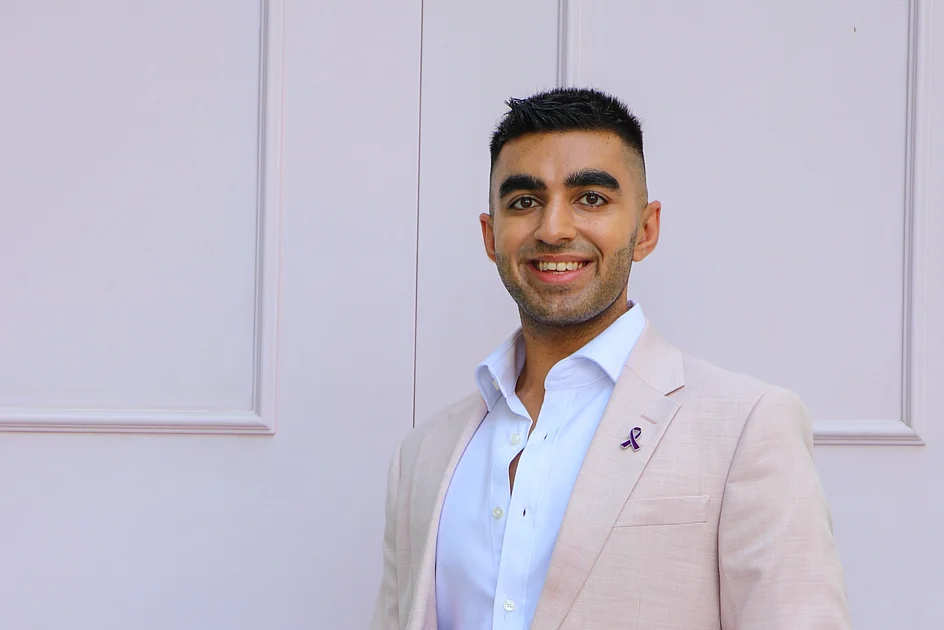
A young expatriate in the UAE has transformed personal tragedy into professional purpose after COVID-19 triggered a life-altering chronic condition. Liam Kotecha, now 26, has become a beacon of hope for others battling invisible illnesses after his own medical journey reshaped his career path and life perspective.
In 2020, while studying dentistry in Madrid, Kotecha contracted COVID-19 expecting a routine recovery. Instead, he developed crushing fatigue, widespread pain, and neurological symptoms that defied conventional diagnosis. His body essentially shut down at age 21, leaving him struggling with basic tasks like walking, carrying groceries, and even opening water bottles.
Over 18 months, Kotecha consulted 17 specialists across Madrid and Dubai, facing repeated dismissals and misdiagnoses before finally receiving confirmation of fibromyalgia—a chronic condition characterized by widespread pain, fatigue, and cognitive difficulties. The diagnosis brought both relief and devastation as he learned the condition was incurable.
The physical decline forced Kotecha to abandon his dental studies just two years from completion, a heartbreaking decision that felt like ‘grieving a life already planned.’ Beyond academic loss, he struggled with social isolation and the perception of being ‘lazy or dramatic’ as he canceled plans and left gatherings early.
This personal crisis became a transformational turning point. Kotecha turned to nutrition and naturopathic medicine, implementing gradual changes to his diet, movement, and lifestyle. Through elimination of inflammatory foods, reformer Pilates, yoga, stress reduction, and sleep optimization, he gradually reclaimed functionality—though not complete recovery.
Now in his final year studying nutritional therapy and naturopathy, Kotecha utilizes social media platforms to educate thousands about chronic illness, post-viral fatigue, and gut health. He participates in wellness talks and community events, connecting particularly with young adults who feel medically dismissed and misunderstood.
Kotecha emphasizes that healing doesn’t necessarily mean being symptom-free but rather ‘learning how to live well again with patience, support, and the right care.’ While his path diverged dramatically from his original dental aspirations, he has found profound meaning in helping others navigate similar health challenges.
His story emerges amid growing recognition of post-viral conditions and their impact on young populations, highlighting the need for greater understanding of invisible chronic illnesses within medical systems and broader society.