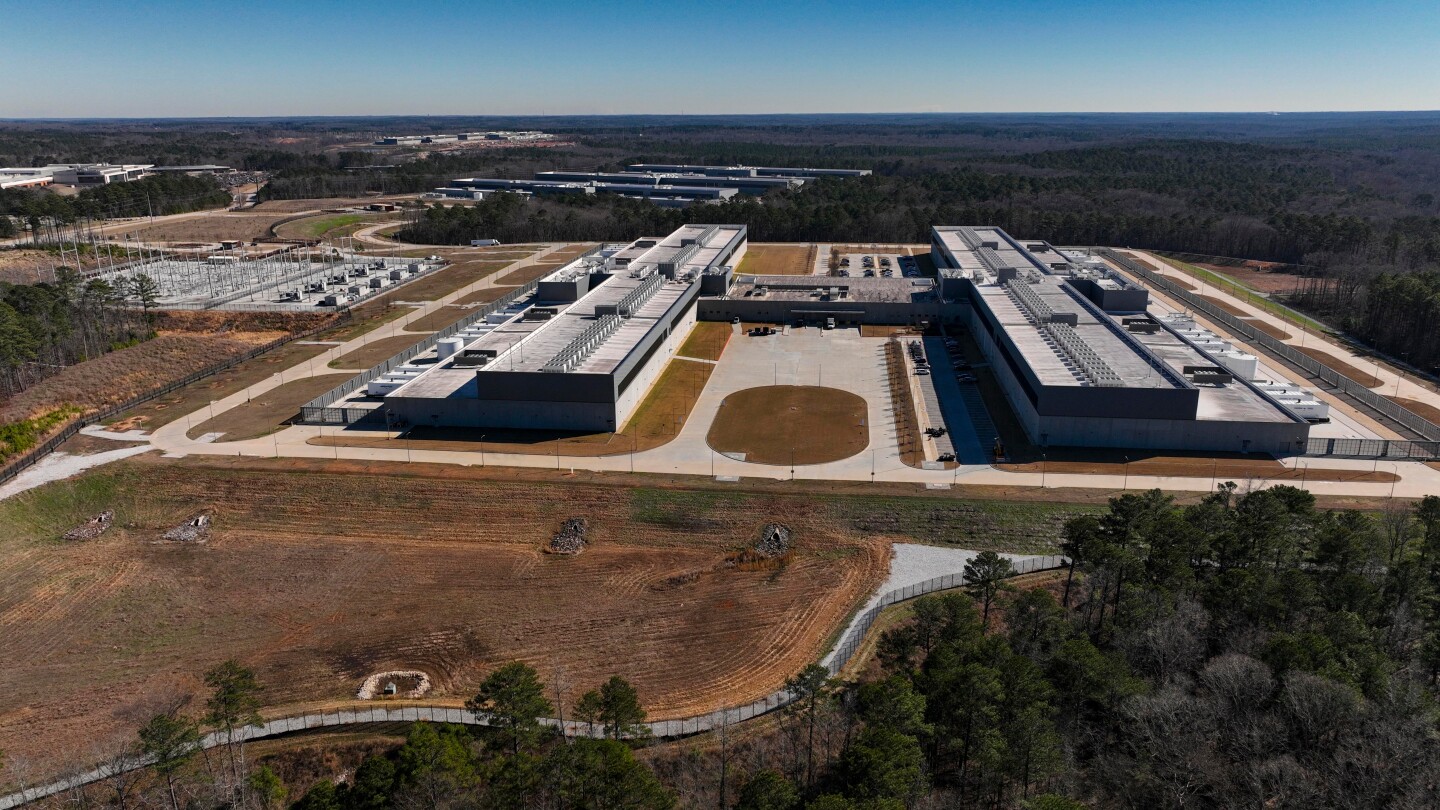
A bipartisan coalition of state governors joined Trump administration officials in a unified push on Friday, demanding urgent action from the nation’s largest grid operator to expand electricity generation capacity. The extraordinary pressure campaign targets PJM Interconnection, which manages the mid-Atlantic power network serving 13 states and Washington D.C., amid growing concerns that artificial intelligence development could trigger widespread blackouts while dramatically increasing consumer electricity costs.
Interior Secretary Doug Burgum framed the situation as a national security imperative, stating that winning the AI race against China requires massive power infrastructure investments. “We know that with the demands of AI and the productivity that comes with that, it’s going to transform every job and every company,” Burgum told reporters at the Eisenhower Executive Office Building. “But we need to be able to power that in the race we are in against China.”
The proposed solution involves creating a specialized power auction allowing technology companies to directly bid on contracts for new power plant construction. This market-based approach would shift the financial burden of data center energy needs from residential consumers to the tech corporations driving demand. Additionally, officials want PJM to extend wholesale electricity price caps implemented last year that limit consumer cost increases through mid-2028.
Governors Glenn Youngkin (Virginia), Wes Moore (Maryland), and Josh Shapiro (Pennsylvania) expressed mounting frustration with PJM’s response to the crisis. Moore emphasized that “we need for PJM to take action, we need for PJM to take it seriously,” while Youngkin characterized the situation as a “massive, massive crisis.”
The urgency stems from alarming trends: analysts warn that data centers are consuming increasingly enormous power resources, with mid-Atlantic ratepayers already covering billions in infrastructure costs for facilities that haven’t been built. Meanwhile, electricity bills are rising faster than inflation nationwide, with many Americans falling behind on payments.
Industry representatives from the Edison Electric Institute support the innovative bidding concept, though energy market experts question its feasibility within existing regulatory frameworks. Rob Gramlich of Grid Strategies LLC noted that PJM faces unique challenges, including longer permitting processes than states like Texas and complications from energy deregulation that left utilities without long-term power contracts.
The standoff highlights the complex balance between technological advancement, consumer protection, and infrastructure development as America’s power grid faces unprecedented demands from the digital economy.