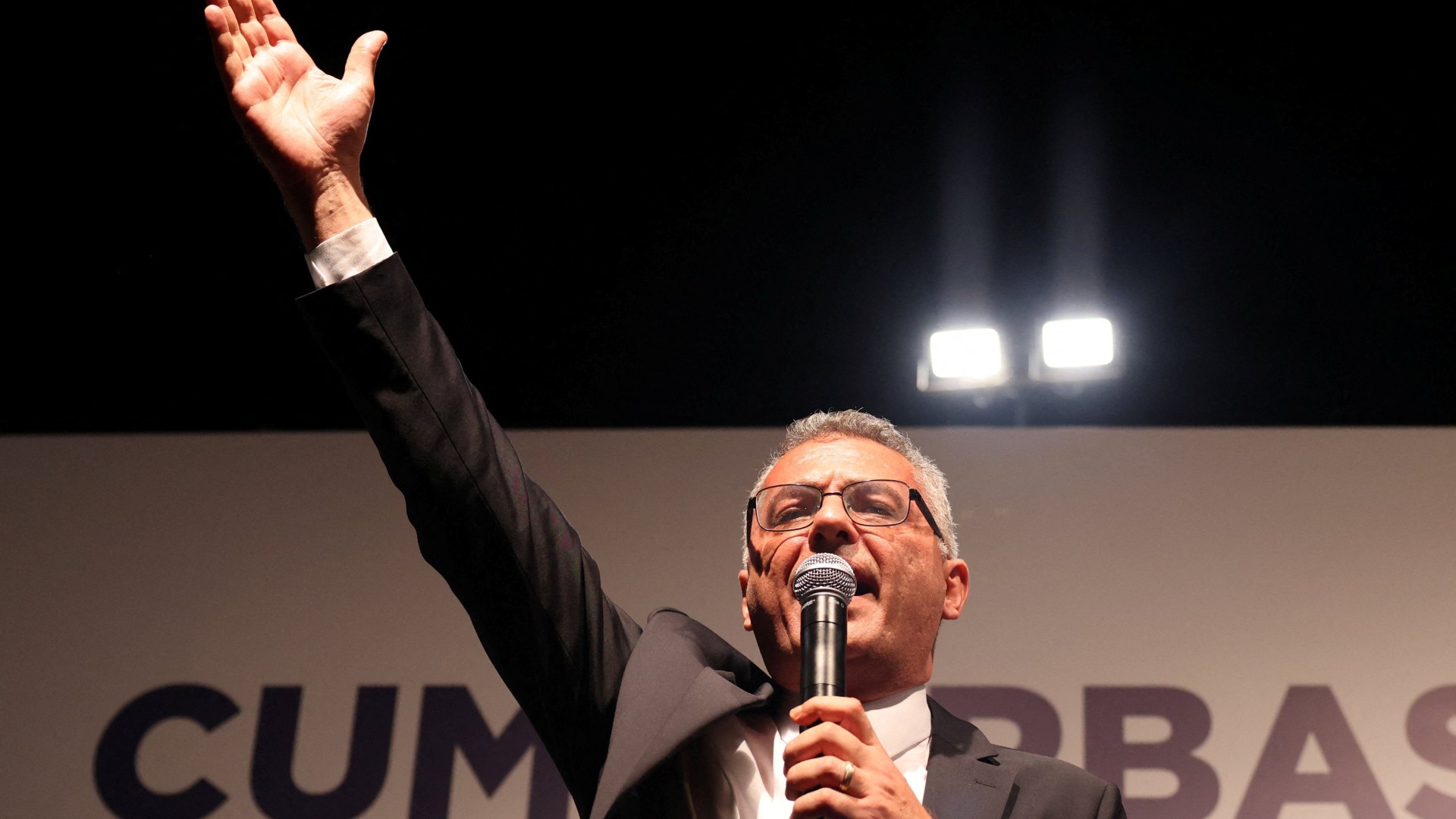
The recent election in Northern Cyprus, which saw pro-federation candidate Tufan Erhurman secure a decisive victory, has stirred significant political implications for the divided island. While Ankara had openly supported the incumbent Ersin Tatar, who advocated for a two-state solution, Erhurman’s win has been interpreted as a subtle rebuke to Turkey’s stance. However, Turkish President Recep Tayyip Erdogan and Foreign Minister Hakan Fidan have downplayed concerns, emphasizing continued support for Turkish Cypriots. Erhurman’s election, though unexpected, may pave the way for renewed unification talks, provided certain conditions are met. Unlike the 2020 election, where Turkey heavily intervened, this time Ankara allowed the process to unfold organically, signaling a potential shift in strategy. Erhurman, a seasoned politician and former prime minister of Northern Cyprus, has expressed willingness to collaborate with Turkey while advocating for a federal solution that guarantees rights for both communities. His approach could ease tensions between Turkey and Europe, particularly as Ankara seeks to rebuild relations with Western nations. Despite past failures, such as the rejection of the 2004 Annan Plan and the collapse of the 2017 Crans-Montana talks, Erhurman’s leadership offers a fresh opportunity for dialogue. However, challenges remain, including Turkey’s broader EU accession process, which is currently blocked by Greece and Cyprus. The growing cooperation between Greek Cypriots and Israel also adds complexity, potentially pushing Ankara to reconsider its position. As Erhurman emphasizes the need for structured negotiations with clear deadlines, the international community watches closely to see if this election marks a turning point in the long-standing Cyprus dispute.