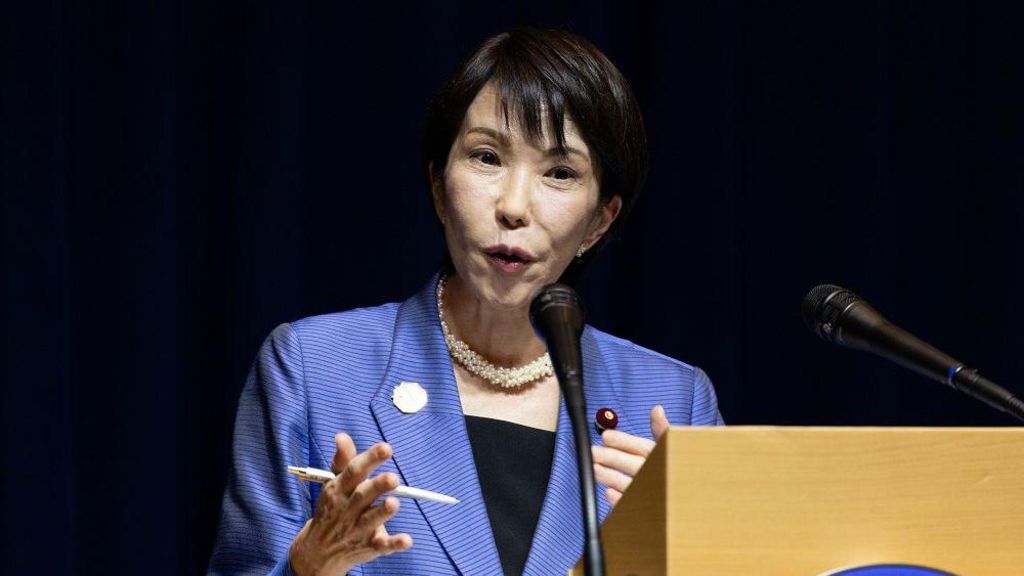
Recent developments in East Asia have reignited tensions between Japan and China, centering on the contentious issue of Taiwan. Japanese Prime Minister Sanae Takaichi’s remarks suggesting that Japan could deploy its self-defence forces in response to a potential Chinese attack on Taiwan have sparked a diplomatic row. This statement, made during a parliamentary session, has drawn sharp criticism from Beijing, with China’s foreign ministry labeling it as ‘egregious’ interference in its internal affairs. The situation escalated further when Xue Jian, China’s consul general in Osaka, made a provocative comment on social media, which was later removed but not before causing significant diplomatic friction. Both nations have lodged formal protests against each other, highlighting the deep-seated historical animosities and strategic ambiguities that continue to shape their relations. Takaichi, known for her hawkish stance on China and strong support for Taiwan, has defended her comments as consistent with Japan’s traditional position, though she has pledged to be more cautious in her future statements. This incident underscores the delicate balance of power in the region, with Japan’s alignment with the US and its increased defence spending raising alarms in Beijing. The longstanding policy of ‘strategic ambiguity’ maintained by both the US and Japan regarding Taiwan’s defence has been a cornerstone of regional stability, but Takaichi’s recent remarks suggest a potential shift in this approach. As both nations navigate this latest flare-up, the implications for regional security and diplomatic relations remain uncertain.