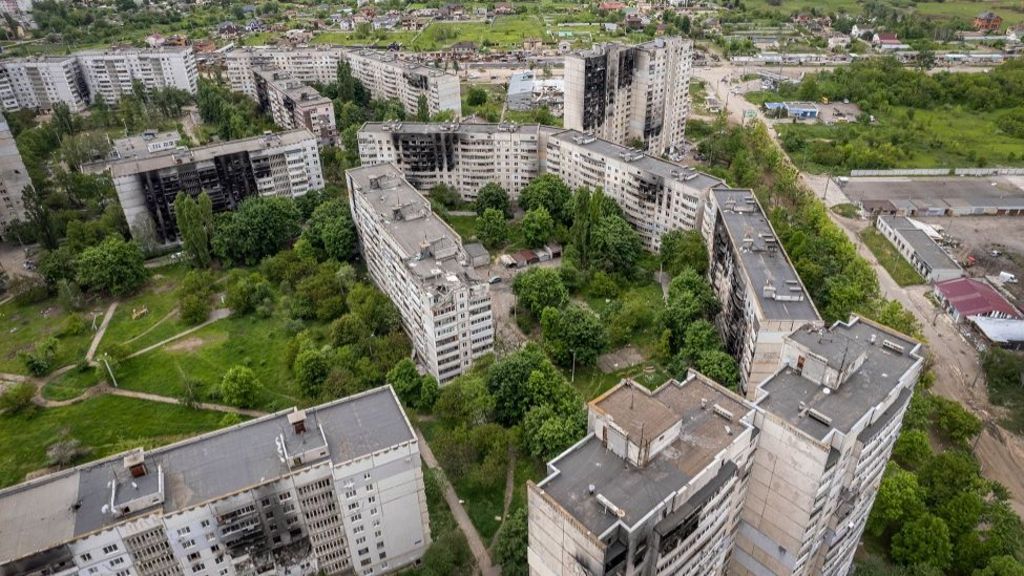
Ukraine is enduring its most severe winter in modern history as Russia systematically targets centralized heating infrastructure, leaving approximately one million residents without heat during temperatures plunging below -15°C. The capital city of Kyiv has become the primary focus of these attacks, with the January 24th bombardment marking the third major assault on heating systems in just over two weeks.
According to Kyiv Mayor Vitaly Klitschko, nearly 6,000 apartment buildings lost heating capabilities following the latest overnight attack. This strategic targeting exploits Ukraine’s Soviet-era dependency on communal heating systems where water is heated at centralized plants before being distributed to residential radiators. The scale of these facilities means single attacks can affect thousands of households simultaneously.
Urban residents describe increasingly desperate conditions. “Living in Kyiv is a bit of a gamble these days,” explained local resident Rita. “If you have heating and gas, there’s no electricity and water. If you have electricity and water, there’s no heating. Coming home is like playing a guessing game every day.” Many report sleeping in multiple clothing layers and hats to combat the freezing temperatures.
Energy expert Yuriy Korolchuk reveals that approximately 11 million Ukrainian households relied on centralized heating before Russia’s 2022 invasion, compared to just seven million with autonomous systems. This infrastructure legacy stems from Soviet mass housing initiatives that produced ubiquitous prefabricated concrete apartment blocks known as ‘panelki’ and ‘khrushchevki’.
The vulnerability of these systems represents a new tactical approach in Russia’s campaign. Korolchuk notes that “during previous winters, there were no such strikes against the heating system. They happened only occasionally, and they didn’t directly target heating plants.” He suggests these attacks may constitute negotiation pressure tactics.
Ukrainian authorities have established warming tents for displaced residents, while the government plans long-term solutions including mandatory individual heating points for apartment complexes. However, reversing decades of Soviet urban planning remains a formidable challenge that will require significant time and resources to implement effectively.