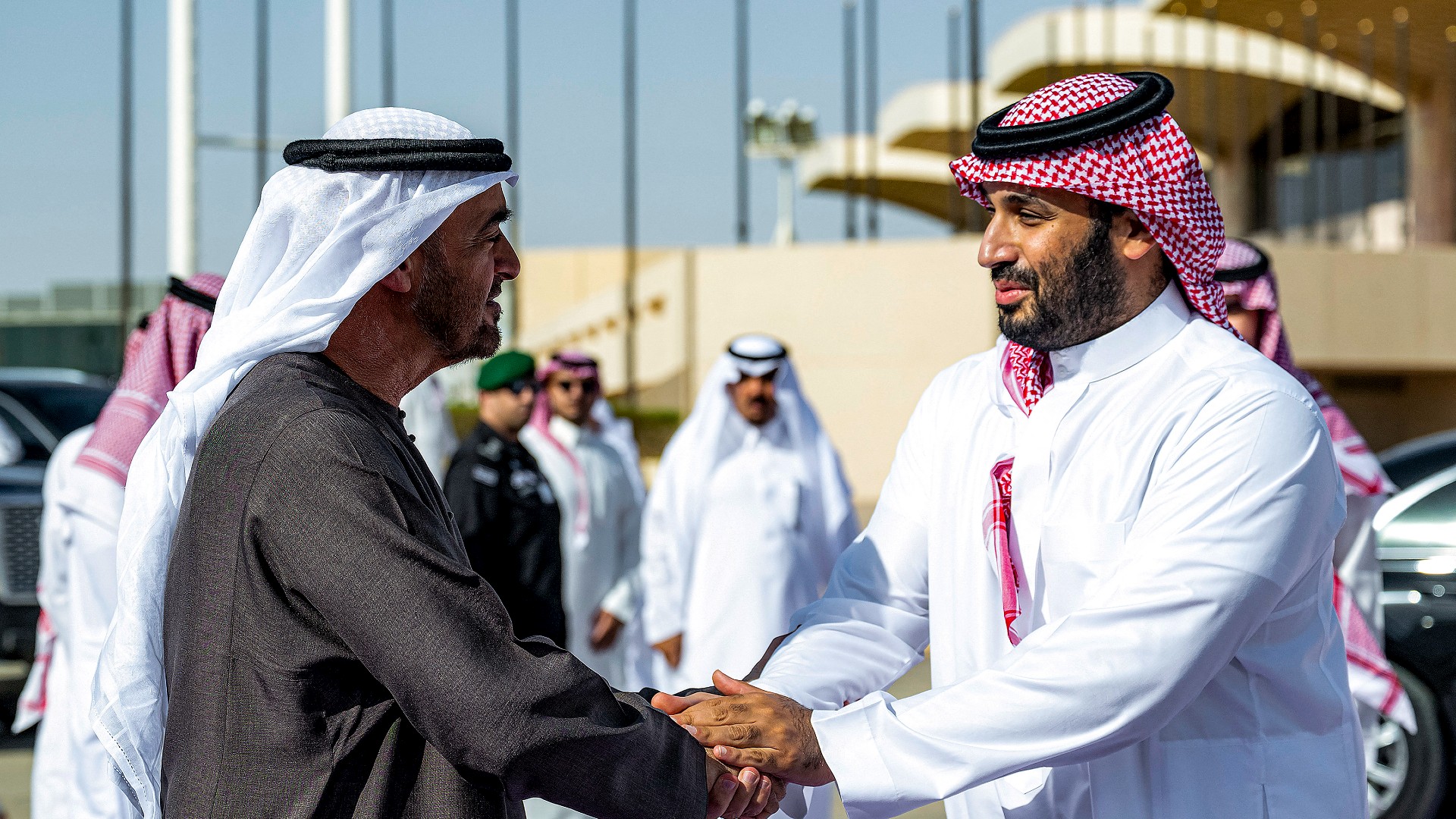
A profound geopolitical shift is unfolding across the Arabian Peninsula as Saudi Arabia and the United Arab Emirates transition from strategic allies to overt adversaries, marking a significant deterioration in regional relations. This transformation, previously concealed behind diplomatic formalities, has now erupted into public view with tangible military actions and unprecedented diplomatic accusations.
The rupture became starkly evident when Saudi forces conducted airstrikes on the Yemeni port of al-Mukalla, targeting what Riyadh identified as Emirati-linked weapons shipments destined for separatist factions. This direct military action against UAE-associated interests represents an unprecedented escalation, with Saudi officials publicly condemning Abu Dhabi’s activities as ‘highly dangerous’ threats to national security. The UAE promptly countered these allegations, dismissing them as containing ‘fundamental inaccuracies.’
Regional analysts identify multiple conflict zones where the two powers’ strategies diverge fundamentally. In Sudan, Saudi Arabia supports the official army while the UAE backs the Rapid Support Forces paramilitary group. In Yemen, despite nominal cooperation against Houthi rebels, the UAE maintains longstanding support for secessionist Southern Transitional Council forces, which recently seized substantial territories in southeastern Yemen, prompting the Saudi military response.
Further divisions emerge in Somalia, where the UAE pursues close cooperation with the breakaway region of Somaliland, including military base construction, while Saudi Arabia joined international consensus opposing recognition of the region’s independence. This pattern reveals emerging fault lines: the UAE frequently supports paramilitary and secessionist movements across the region, while Saudi Arabia builds coalitions to preserve existing state boundaries throughout the Middle East and Horn of Africa.
Experts note this confrontation differs fundamentally from previous Gulf disputes, including the 2017 Qatar blockade where Riyadh and Abu Dhabi maintained unified positions. Kristian Ulrichsen of the Baker Institute observes the UAE may be ‘approaching a tipping point’ in balancing regional relationships with support for non-state actors. The normalization of UAE-Israel relations through the Abraham Accords further distinguishes Emirati and Saudi approaches to regional diplomacy, particularly following Israel’s military actions in Gaza.
While some analysts suggest economic interdependence and shared Gulf Cooperation Council frameworks might eventually facilitate reconciliation, the current crisis reflects deeper strategic divergences that may reshape Middle Eastern geopolitics throughout 2026 and beyond, potentially creating new regional alignments and power structures.