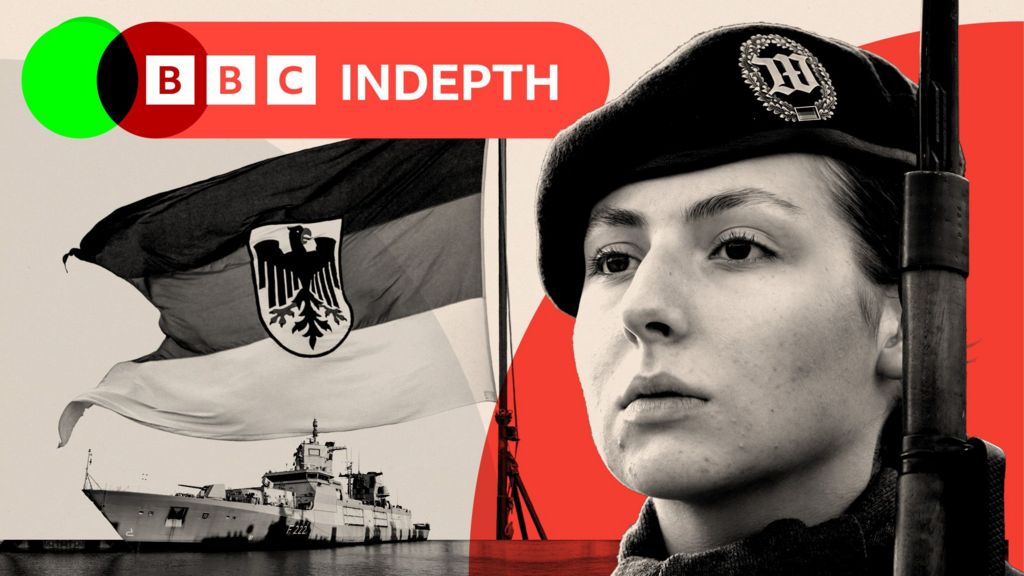
In a dramatic shift from its post-war pacifist stance, Germany is undergoing the most significant military transformation in modern European history. General Carsten Breuer, commander of Germany’s armed forces, is spearheading an unprecedented expansion aimed at creating NATO’s most powerful conventional army by 2029.
This strategic pivot responds to urgent warnings about Russia’s military buildup. Intelligence assessments indicate Russia is rapidly rebuilding its military capacity to nearly double its pre-Ukraine invasion strength, potentially enabling an attack on NATO territory within five years. “I’ve never experienced a situation which is as dangerous, as urgent, as it is today,” General Breuer stated during exercises near the Russian border.
The scale of Germany’s rearmament is staggering. Military spending is projected to surge from €95 billion in 2025 to €162 billion in 2029, representing 5% of GDP—a remarkable increase from the 1.2% defense spending average maintained between 2007-2017. This financial commitment required constitutional changes to bypass Germany’s traditionally strict borrowing limits, a move considered revolutionary given the country’s historical aversion to debt stemming from Weimar-era hyperinflation trauma.
Historical ghosts loom over this transformation. The 20th century witnessed Germany’s powerful armies devastating Europe, making current rearmament psychologically complex for both Germans and their neighbors. Yet paradoxically, Germany’s military presence in Lithuania—where troops are stationed permanently for the first time since Nazi occupation—has proven popular among local populations.
This military expansion reflects broader geopolitical realignments. The Trump administration’s increasingly transactional approach to NATO, including Vice-President JD Vance’s Munich Security Conference speech questioning American commitment to European defense, has accelerated Germany’s push for “operational independence.” Confidence in US relations among Germans plummeted from 74% in 2024 to just 27% in 2025 following President Trump’s reelection.
General Breuer emphasizes multilateral cooperation, consistently framing Germany’s military growth within NATO and EU frameworks. The strategy prioritizes developing indigenous capabilities in intelligence surveillance, drone technology, deep strike precision systems, and space assets to reduce dependence on American military suppliers.
Recruitment has surged dramatically, with February applications increasing 20% year-over-year. The force expansion targets adding 60,000 professional soldiers supplemented by 200,000 reserves within a decade, potentially reviving conscription if volunteer numbers prove insufficient.
As former Polish General Andrzek Falkowski noted, “German rearmament is good news for Poland, for Europe and for NATO.” This sentiment reflects a remarkable historical reversal where nations once devastated by German militarism now welcome its military leadership—provided it remains firmly embedded within multilateral structures.
The transformation represents nothing less than the end of Germany’s post-war defense identity and the emergence of a new European security architecture where Germany assumes responsibility as what Polish officials have called Europe’s “indispensable nation.”