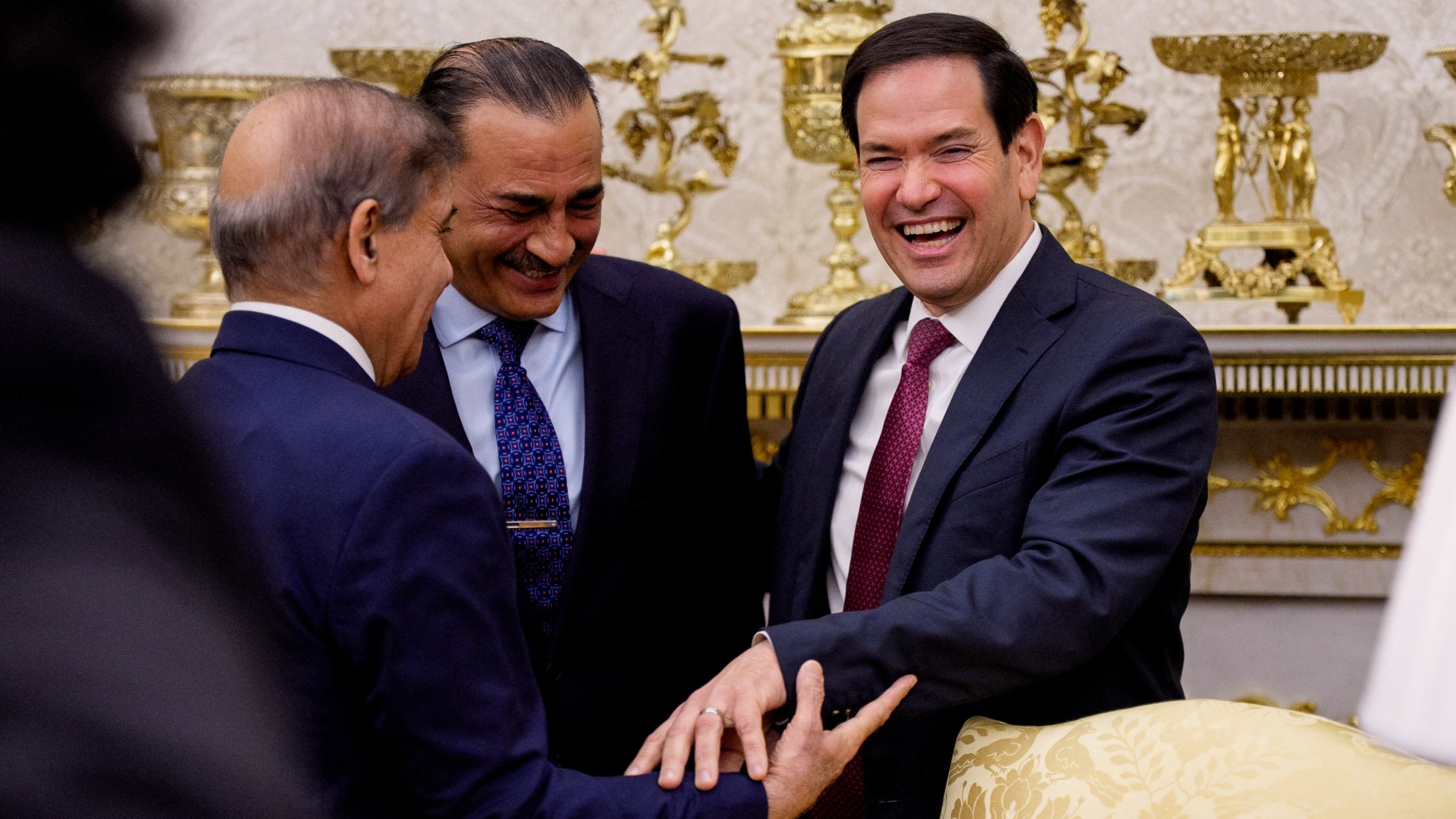
In a dramatic shift from its traditional role as a regional security concern, nuclear-armed Pakistan has positioned itself as a potential diplomatic bridge between the United States and Iran amid escalating Middle Eastern tensions. The proposal for Islamabad to host direct negotiations between the Trump administration and Iranian leadership represents a strategic reinvention for a nation typically viewed through the prism of economic fragility and political instability.
This diplomatic initiative emerges from Pakistan’s urgent economic and security imperatives rather than grand geopolitical ambition. The country faces severe economic vulnerabilities under International Monetary Fund conditions, with potential liquefied natural gas shortages threatening its recovery. Regional conflict has already triggered oil price spikes that disproportionately affect Pakistan’s fragile economy.
Geographic and demographic factors intensify Pakistan’s stake in regional stability. The 900-kilometer border with Iran has historically served as a conduit for militancy and smuggling, while Pakistan’s substantial Shia population (estimated at 15-20% of its 240 million people) creates domestic sensitivity to Iranian developments. Recent protests following the killing of Iranian officials demonstrated how quickly Middle Eastern crises reverberate within Pakistani society.
Pakistan’s military establishment, particularly Army Chief Field Marshal Syed Asim Munir, has taken a central role in this diplomatic outreach. Munir’s reported close relationship with President Trump and institutional channels with Iran’s Revolutionary Guard Corps provide unique mediation capabilities. Meanwhile, Pakistan’s defense cooperation with Saudi Arabia bolsters its credibility with Western allies while its historical role managing Iranian interests in the US since 1979 maintains baseline trust with Tehran.
Despite growing media speculation, no formal confirmation of talks has emerged from Washington, Tehran, or Islamabad. Reports suggest discussions have involved potential sanctions relief, nuclear program rollbacks, and guarantees for Strait of Hormuz shipping lanes. Iranian authorities have articulated their own conditions, including war reparations and recognition of sovereign authority over Hormuz.
Even if this diplomatic initiative fails to produce comprehensive settlement, it marks a significant transformation in Pakistan’s international standing—from perceived security liability to potential architect of de-escalation in one of the world’s most dangerous conflicts.