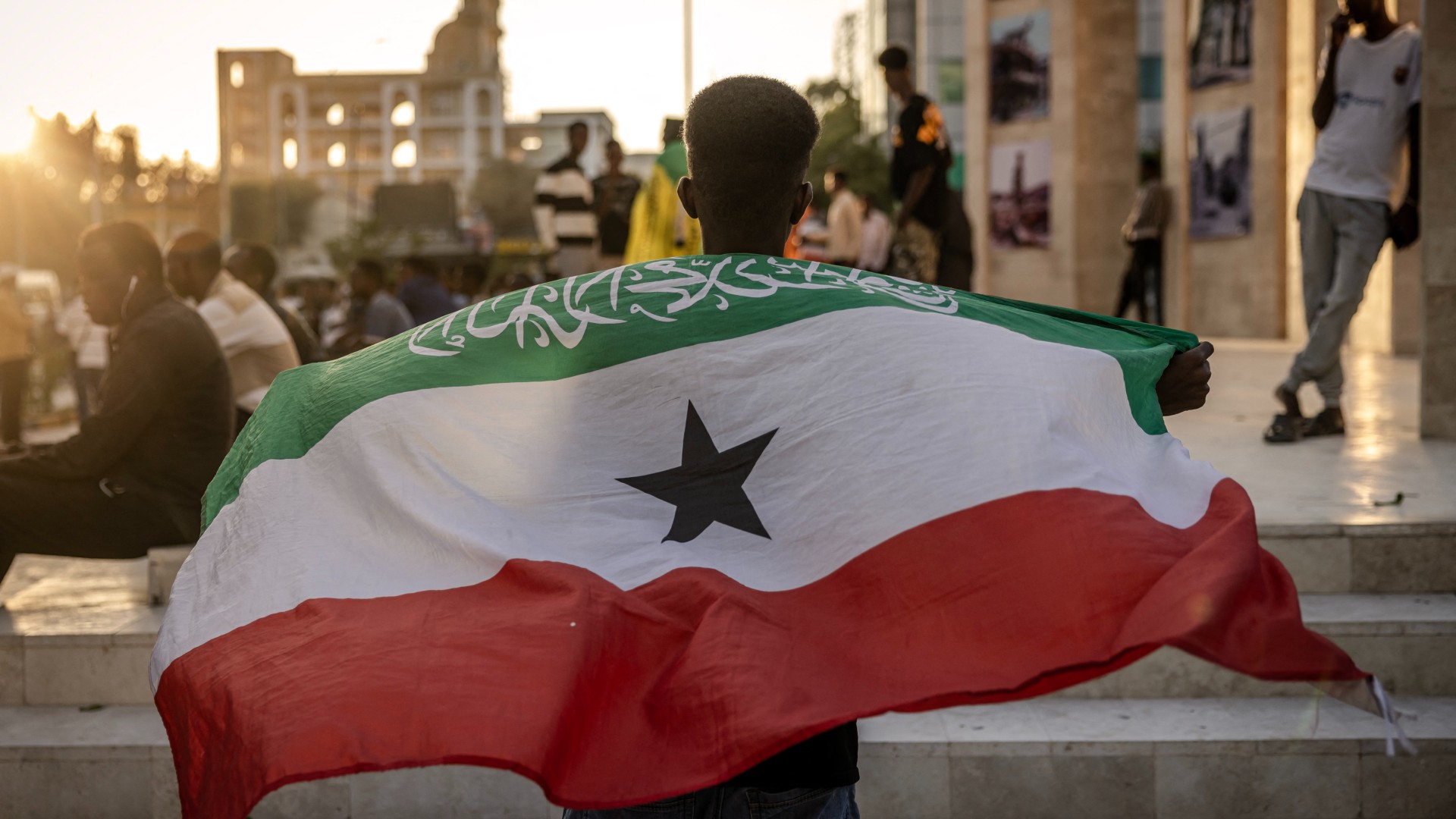
A seismic shift in Horn of Africa geopolitics unfolded as Israel’s unilateral recognition of Somaliland’s independence triggered widespread protests and heightened security alerts across the region. Prime Minister Benjamin Netanyahu’s December announcement formally acknowledging Somaliland’s sovereignty has drawn immediate condemnation from Somalia and raised alarms among international observers.
The strategic significance of this move cannot be overstated. Somaliland occupies critical coastline along the Gulf of Aden and Red Sea maritime corridors that facilitate approximately 30% of global trade. This positioning has transformed the territory into a geopolitical prize amid escalating regional competitions.
Security analysts warn that Israel’s endorsement has effectively inserted Somaliland into Middle Eastern power rivalries. Samira Gaid, a Horn of Africa security specialist, notes the development positions Somaliland within a broader contest involving Israel versus Iran, Turkey, Saudi Arabia, and other Gulf states—a dangerous geopolitical realignment.
The recognition has exposed Somaliland’s internal vulnerabilities. Former Somali intelligence chief Fahad Yasin revealed that Hargeisa exercises limited control over extensive territories, particularly in northeastern regions and Awdal province where separatist movements have gained momentum. These areas have witnessed violent clashes and declarations of alternative regional states aligned with Somalia’s federal government.
Regional armed groups including al-Shabab and Yemen’s Houthi movement have declared Israeli presence in Somaliland legitimate military targets. Abdul Malik al-Houthi specifically warned that any Israeli facilities would face immediate retaliation, potentially transforming the strategic waterways into conflict zones.
Somali President Hassan Sheikh Mohamud identified three primary motivations behind Israel’s move: potential Somaliland accession to the Abraham Accords, relocation of Palestinians from Gaza, and establishment of an Israeli military base along the Gulf of Aden. This latter objective particularly unsettles Red Sea states that perceive Israeli proximity as a national security threat.
The recognition faces procedural challenges within Israel itself. Opposition leader Yair Lapid revealed that Netanyahu’s decision bypassed both government and security cabinet approval, raising questions about its legal validity under Israeli domestic governance procedures.
International law experts note the move contravenes United Nations and African Union charters emphasizing respect for member states’ sovereignty and territorial integrity. This unilateral action may establish a destabilizing precedent for separatist movements across conflict-prone regions, potentially encouraging similar claims in Ethiopia and other nations facing internal self-determination disputes.
The development represents the latest manifestation of Middle Eastern powers projecting their rivalries into the Horn of Africa through port development, military bases, financial leverage, and political patronage networks—with Somaliland now becoming an unexpected flashpoint in this expanding strategic competition.