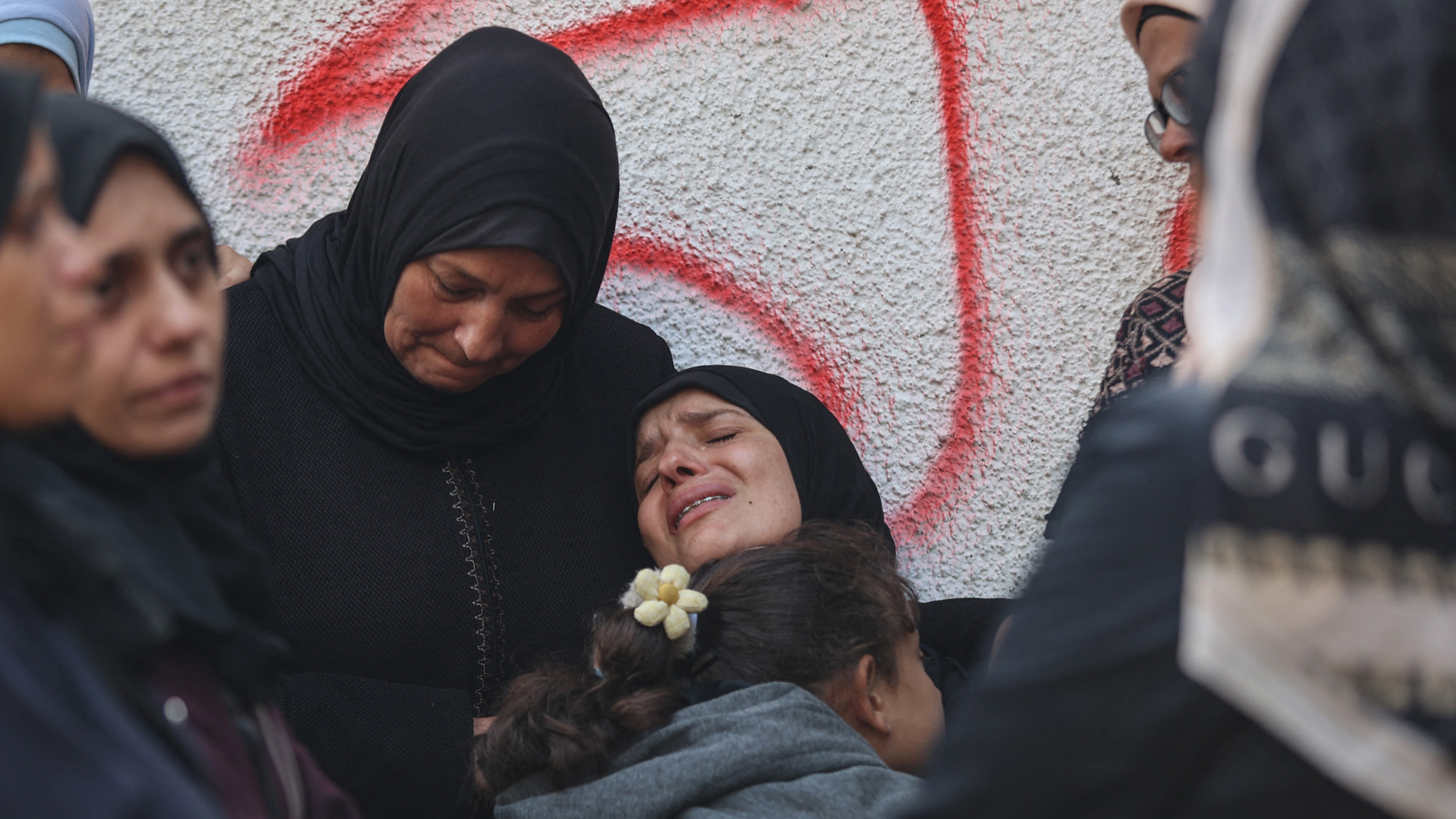
In a devastating escalation of violence, Israel launched a series of intense air strikes on Gaza this Wednesday, resulting in the deaths of over 100 Palestinians, nearly half of whom were children. This marks the most severe breach of the ceasefire agreement to date. Israel justified the strikes by accusing Hamas of violating the ceasefire terms, a claim Hamas vehemently denies, asserting full compliance with the agreement. However, evidence suggests that Israel itself has repeatedly violated the ceasefire, including restricting humanitarian aid, keeping the Rafah crossing closed, and conducting frequent air strikes. Since the ceasefire began, Israeli forces have killed 211 people, exacerbating the humanitarian crisis in Gaza, where medical supplies, fuel, and essential goods remain critically scarce. The sequence of events leading to Wednesday’s deadly bombardment reveals a pattern of Israeli violations, starting almost immediately after the ceasefire took effect on October 11. These violations include drone strikes, artillery shelling, and incursions beyond agreed deployment lines, often justified by claims of targeting individuals who crossed the ‘Yellow Line.’ Despite Hamas’s calls for mediation and restraint, Israel’s actions have continued unabated, culminating in the latest wave of air strikes. The death toll since the ceasefire began now stands at 211, with overall Palestinian casualties since October 7, 2023, exceeding 68,643, according to leaked military data. Israel has also cited the slow return of deceased captives as a reason for the escalation, despite the ceasefire agreement lacking a specific deadline for such returns. Hamas has returned all living captives and 15 deceased, with efforts to recover more bodies hindered by Israeli restrictions on equipment and access. The humanitarian situation in Gaza remains dire, with Israel failing to allow the agreed-upon daily aid trucks, leading to severe shortages and a healthcare system on the brink of collapse. The Rafah crossing remains closed, trapping tens of thousands of critically wounded Palestinians who are unable to seek treatment abroad. Middle East Eye continues to provide independent and comprehensive coverage of these developments, shedding light on the ongoing crisis in Gaza.