The escalating military conflict between the US-Israel alliance and Iran has triggered a severe global energy crisis, with Asia experiencing the most acute impacts due to its profound dependence on Gulf petroleum exports. Crude oil prices have surged beyond $100 per barrel—representing a staggering 33% increase—following aerial assaults on energy infrastructure and the effective closure of the Strait of Hormuz, a critical maritime channel handling 20% of worldwide oil shipments.
Asian economies face particularly severe disruptions, as approximately 90% of hydrocarbons transiting the Strait of Hormuz were destined for the region last year. This dependency affects every level of society, from household electricity generation and transportation to industrial manufacturing. Even historically oil-producing nations like Malaysia and Indonesia have become increasingly import-reliant over the past decade, heightening regional vulnerability.
The crisis exposes structural dependencies in Asia’s energy infrastructure. Refineries throughout Southeast Asia are specifically calibrated to process Middle Eastern ‘heavy sour’ crude varieties, making rapid supplier diversification practically impossible. “Substantial capital investment would be required to modify refinery specifications,” explains Jane Nakano of the Center for Strategic and International Studies, highlighting the technical constraints preventing swift adaptation.
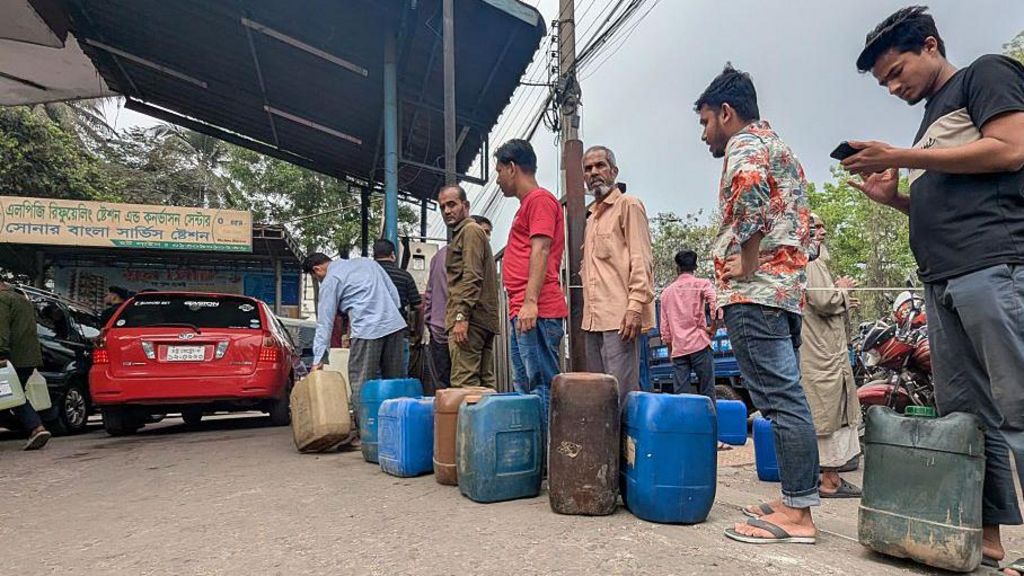
Governments across Asia are implementing emergency measures to mitigate the crisis. The Philippines—which sources 95% of its crude from the Middle East—has instituted a four-day workweek for public employees. Thailand has mandated elevated air conditioning temperatures in government buildings, while Vietnam and Bangladesh have witnessed panic-buying queues at fuel stations amid 60% diesel price increases. Regional authorities are aggressively promoting remote work arrangements and fuel conservation protocols.
The energy shock has cascaded into food security concerns, with transportation cost inflation affecting agricultural imports. Singapore’s 90% food import dependency and Indonesia’s complete reliance on foreign wheat illustrate the region’s vulnerability to logistics disruptions. Jet fuel prices have skyrocketed by nearly 60%, compounding supply chain pressures.
Policy responses vary globally: South Korea implemented fuel price caps, Japan introduced wholesaler subsidies, and European nations like France saw energy corporations voluntarily limiting prices. China remains comparatively insulated through massive strategic petroleum reserves and continued Iranian oil imports despite US sanctions. With electric vehicles comprising one-third of new car sales and coal-dominated power generation, China experiences reduced consumer impact from petroleum price fluctuations.
While European nations have diversified gas supplies since the Ukraine conflict—now primarily sourcing from Norway and the US—analysts note they remain indirectly affected. David Oxley of Capital Economics observes that “Asian customers displaced from Qatari supplies are competing for alternative resources, driving global price increases.” The United States, having expanded domestic fracking operations, demonstrates greatest resilience to the supply shock, though limited export infrastructure constrains its ability to offset global shortages.