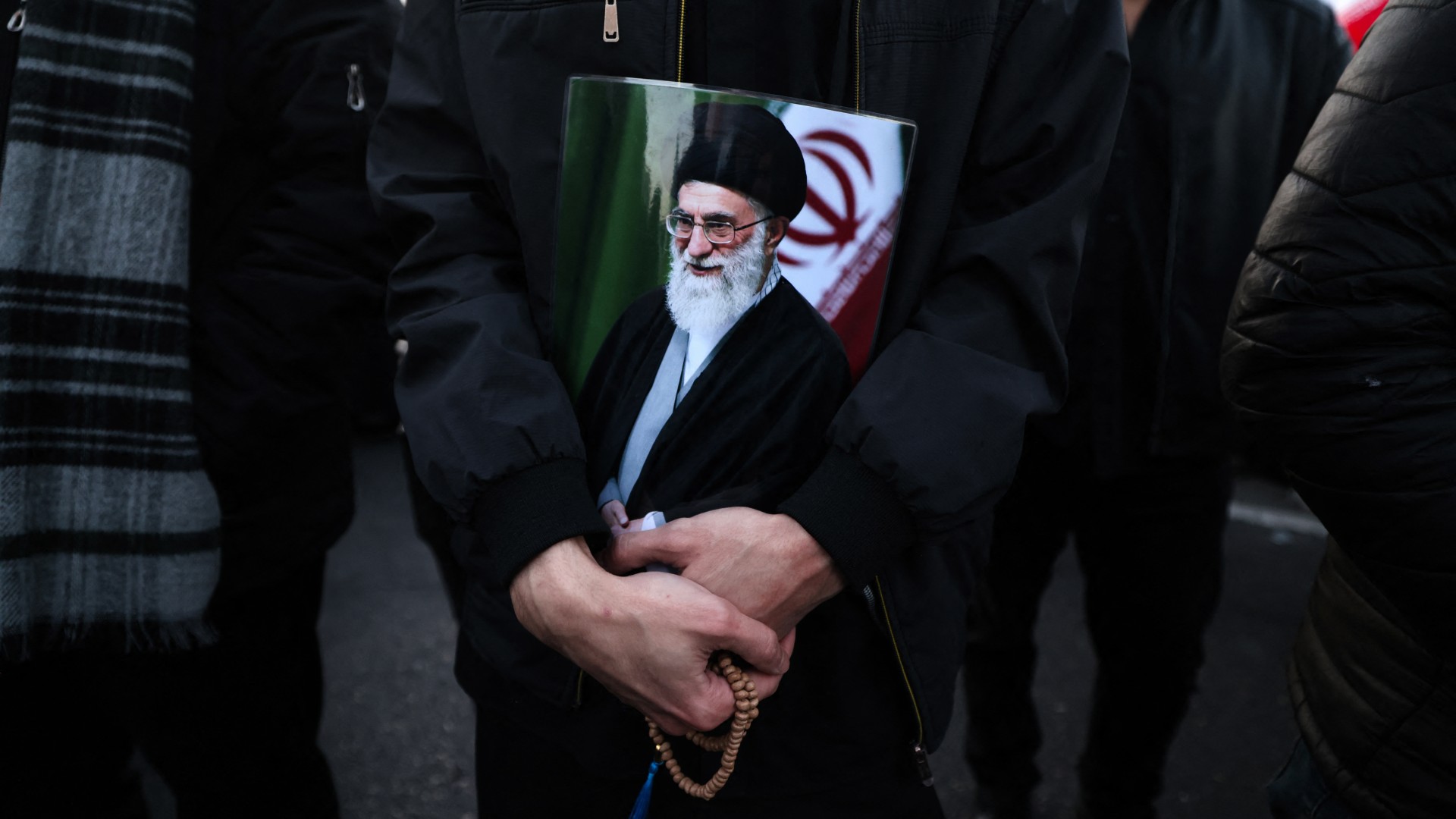
The reported death of Iran’s Supreme Leader Ayatollah Ali Khamenei on Saturday has triggered a profound and visible schism across Iranian society, revealing a nation caught between starkly opposing emotional poles. The event, attributed to US and Israeli airstrikes, instantly fractured the public sphere into scenes of spontaneous celebration and deep mourning, underscoring the decades of polarization under his 37-year rule.
In western Tehran’s Ekbatan district, a historic epicenter of anti-regime dissent, residents erupted in cheers moments after news broke. Described by local resident Maryam as a spontaneous reaction to a dictator’s demise, the celebrations mirrored long-suppressed anger from the 2022 ‘Woman, Life, Freedom’ protests. Simultaneously, in the religious stronghold of Mashhad—Khamenei’s birthplace—unprecedented scenes unfolded as citizens distributed sweets and danced in traffic, with young women disregarding mandatory hijab laws in a powerful symbolic defiance.
Conversely, organized pro-establishment rallies mobilized by Sunday morning, with state-backed groups chanting for ‘severe revenge’ against the US and Israel. Supporters like Ali expressed grave concerns about a fractured future, viewing Khamenei as a unifying force whose absence threatens national stability. This institutional response highlighted the regime’s preparedness to channel grief into renewed nationalist fervor.
Amid the polarization, a third voice emerged—that of pragmatic caution. Citizens like Mohammad and Bahareh articulated fears of state collapse, drawing parallels to protracted conflicts in Syria and Libya. They warned against optimistic assumptions of democratic transition, predicting instead a descent into civil strife or an even more authoritarian successor regime determined to maintain power through intensified violence. This perspective reflects deep anxiety about foreign intervention and its capacity to dismantle complex governmental structures without ground forces.
The underlying narrative reveals a nation at a historic inflection point, where decades of internal repression, international isolation, and generational dissent collide with geopolitical ambitions. The contrasting public reactions not only illustrate Khamenei’s divisive legacy but also foreshadow the immense challenges in navigating Iran’s subsequent political transformation, where the aspirations of a liberated populace confront the grim realities of revolutionary aftermath.