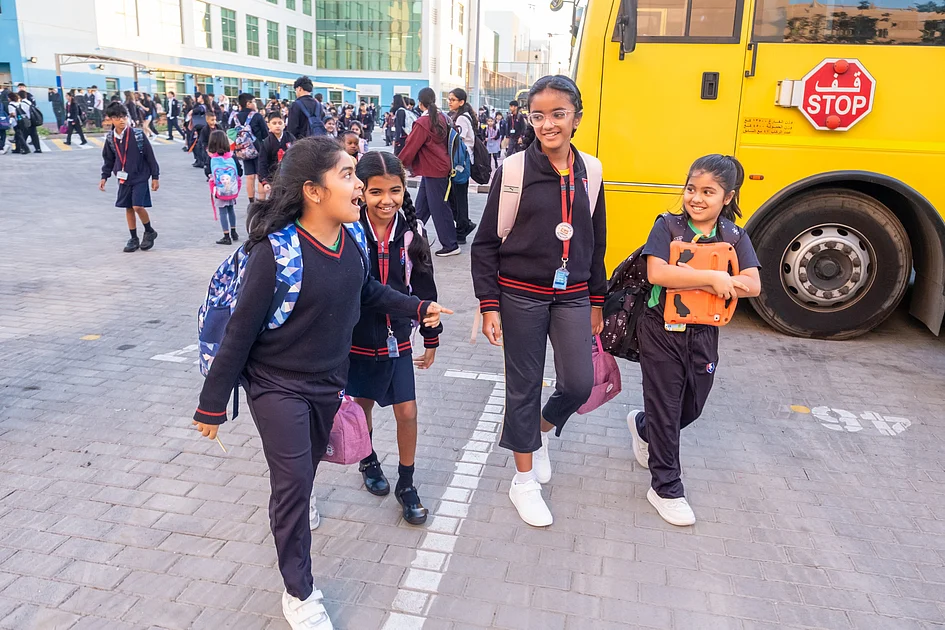
Indian educational institutions across the United Arab Emirates are implementing sophisticated operational modifications in anticipation of Ramadan’s mid-February commencement, demonstrating how academic excellence and cultural sensitivity can coexist harmoniously. With the Islamic holy month presenting unique challenges including shortened school days and altered student energy levels due to fasting, school administrators have developed comprehensive strategies that balance academic rigor with religious observance.
Springdales School Dubai has adopted a distinctive approach by maintaining its original examination schedule while adjusting daily operations. Principal David Jones clarified that the institution will adhere to Ramadan school timings, concluding daily activities at 12 noon throughout the examination period. The school has strategically scheduled assessments between February 16 and March 11, 2026, ensuring no conflict with the anticipated Eid break around March 19-20. Academic revision sessions will be conducted during school hours to allow fasting students adequate rest time at home.
Gems Our Own Indian School exemplifies advanced planning methodologies, with CEO Lalitha Suresh emphasizing that examination schedules receive finalization a full year in advance. These dates receive approval from the Knowledge and Human Development Authority (KHDA) and appear in printed school diaries for family reference. The institution incorporates preparatory intervals between examination days to facilitate comprehensive student revision, creating a predictable framework that supports both academic achievement and religious observance.
Behind the scenes, administrative teams face compressed working hours that necessitate innovative task management. Woodlem Park School in Ajman illustrates this operational adaptation, where Principal Bhanu Sharma notes that while examination dates remain unchanged, paper correction, data entry, and result analysis require redistribution across multiple abbreviated sessions. This approach maintains assessment quality while accommodating the reduced working hours characteristic of Ramadan.
The broader context involves the Islamic lunar calendar’s annual shift of approximately 10-12 days relative to the Gregorian calendar, requiring educational institutions to maintain dynamic long-term planning. This sophisticated coordination between academic requirements and cultural traditions demonstrates how international education systems can successfully adapt to local religious practices while maintaining educational standards.