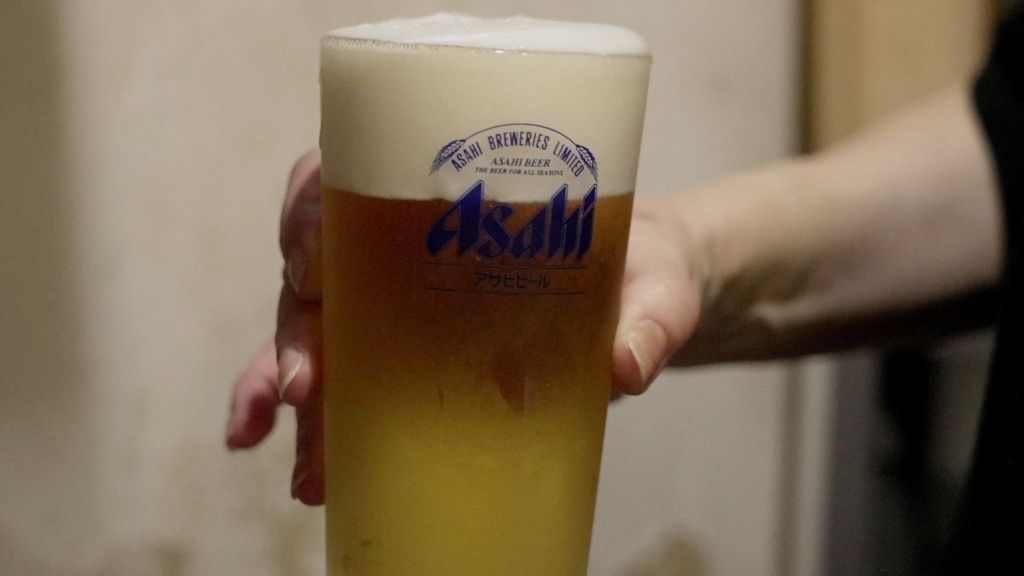
Asahi Super Dry, Japan’s most popular beer, is facing severe supply shortages following a crippling cyber-attack on its production facilities. The incident, which forced Asahi to halt operations at most of its 30 factories across Japan, has left retailers, bars, and restaurants scrambling to meet customer demand. Although some facilities have partially reopened, the company’s computer systems remain offline, forcing manual processing of orders and shipments via pen, paper, and fax machines. This has drastically reduced output, with shipments now at just 10-20% of normal levels.
Asahi, which commands approximately 40% of Japan’s beer market, has apologized for the disruptions but has not provided a timeline for full recovery. The impact extends beyond beer, with shortages also affecting Asahi’s soft drinks, bottled teas, and other products. Major convenience store chains like FamilyMart, 7-Eleven, and Lawsons have warned customers of dwindling supplies.
The ransomware group Qilin has claimed responsibility for the attack, leveraging its platform to extort proceeds from cyber-attacks. While Asahi’s European operations, including brands like Peroni and Grolsch, remain unaffected, the incident highlights Japan’s vulnerability to cyber threats. Experts point to the country’s reliance on outdated systems and a lack of cybersecurity professionals as key weaknesses.
In response, the Japanese government has emphasized its commitment to improving cyber capabilities. The recent enactment of the Active Cyber Defense Law (ACD) grants authorities greater powers to combat cyber threats, including the ability to neutralize attackers’ servers. However, for small businesses like Ben Thai restaurant in Tokyo, the immediate challenge is navigating the ongoing supply disruptions. Owner Sakaolath Sugizaki remains uncertain about when normal operations will resume, echoing the concerns of many across Japan.