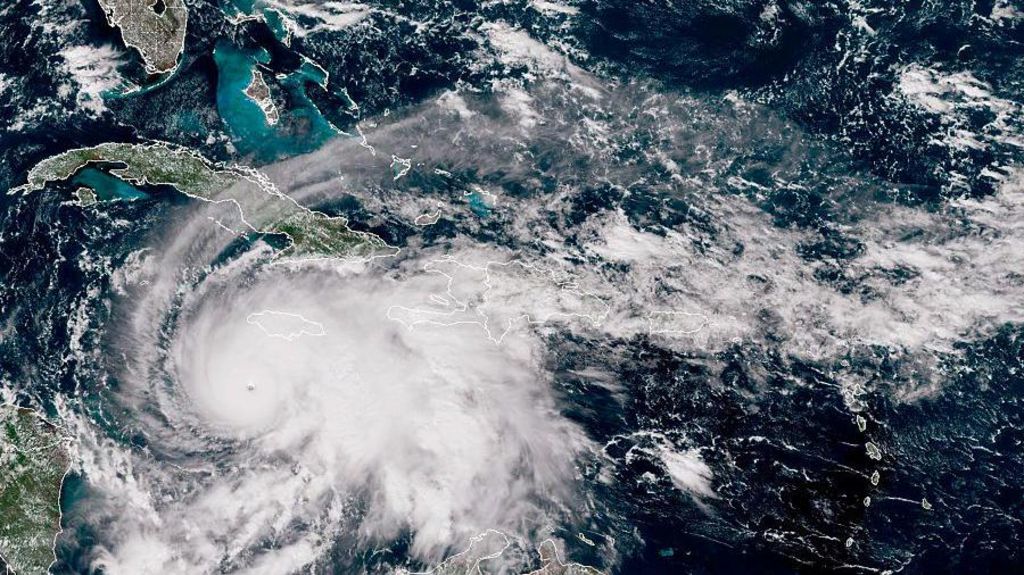
Hurricane Melissa, one of the most powerful Atlantic storms in history, has unleashed catastrophic conditions across Jamaica, prompting urgent warnings from the US National Hurricane Center. While climate change is not directly increasing the frequency of hurricanes, typhoons, and cyclones globally, it is amplifying their intensity. Warmer oceans and a heated atmosphere, both driven by climate change, are fueling higher wind speeds, heavier rainfall, and heightened risks of coastal flooding. This phenomenon is transforming already dangerous storms into even more destructive forces. Tropical cyclones, including hurricanes, are characterized by extreme wind speeds, torrential rains, and storm surges, which often result in widespread devastation. Although the global frequency of these storms has not risen over the past century, a growing proportion are reaching the most severe categories, with wind speeds exceeding 111 mph (178 km/h). The IPCC highlights ‘medium confidence’ in the increased average and peak rainfall rates linked to these storms, as well as a rise in ‘rapid intensification events,’ where wind speeds escalate dramatically. Additionally, tropical cyclones are moving slower across the Earth’s surface, prolonging rainfall and exacerbating flooding. For instance, Hurricane Harvey in 2017 stalled over Houston, dumping 100 cm of rain in just three days. Rising sea levels, driven by melting glaciers and thermal expansion of seawater, are further compounding the risks of coastal flooding. The IPCC concludes with ‘high confidence’ that human activities have contributed to increased precipitation in tropical cyclones and ‘medium confidence’ in their role in intensifying these storms. As global temperatures continue to climb, the proportion of category four and five hurricanes is expected to rise, underscoring the urgent need for climate action.